



 Audio 2G
Yamaha was certainly not the first company to introduce a wireless speaker. In fact, this is now a well-established category, and numerous manufacturers offer products of this type in a wide variety of configurations. Yamaha, however, has chosen to approach this segment in its own way—entering the market later than the competition, but bringing to bear all the know-how it has accumulated over more than a century in business. After all, it’s a company founded in the early 20th century—you can read its history here—and, when it comes to tradition, it’s second to none.
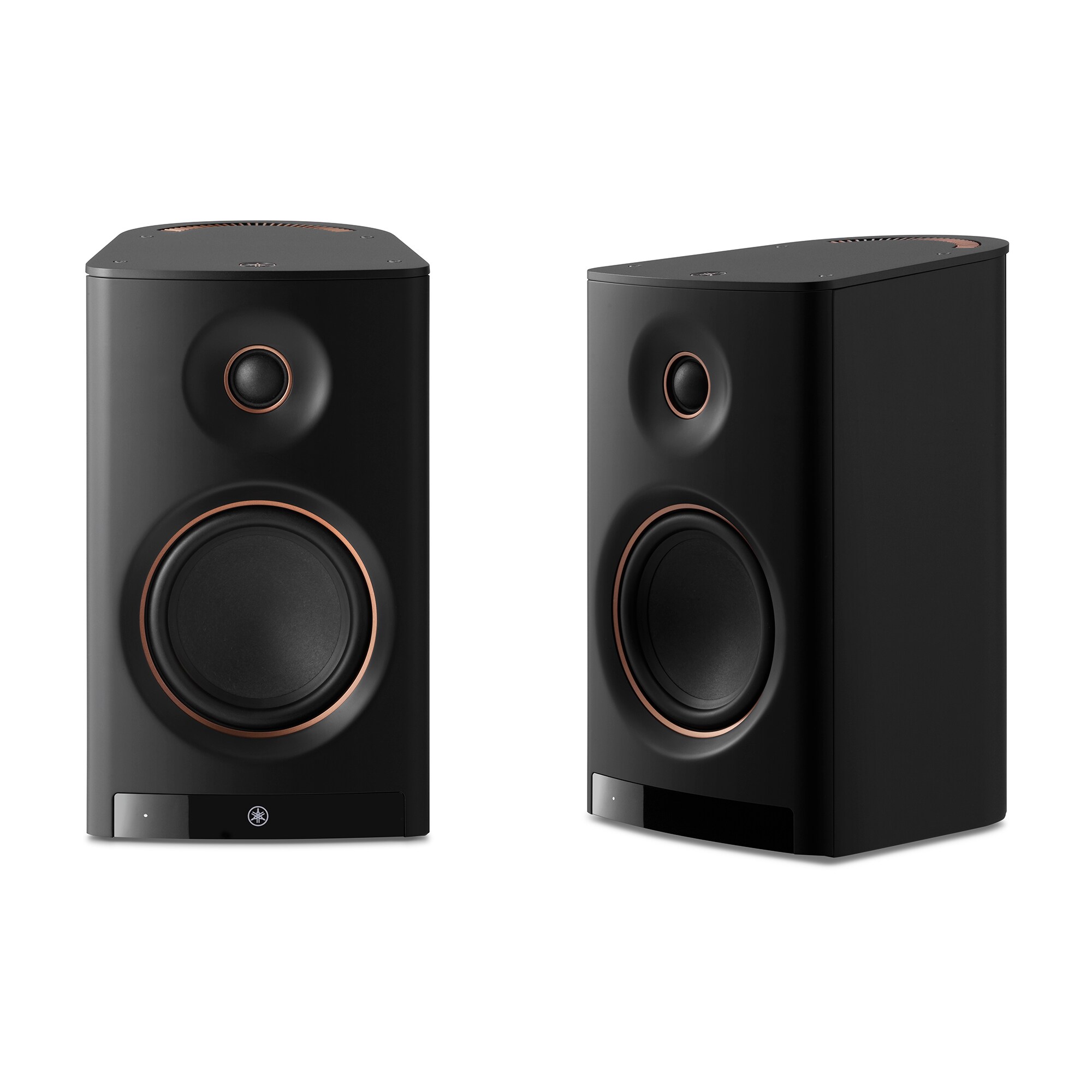
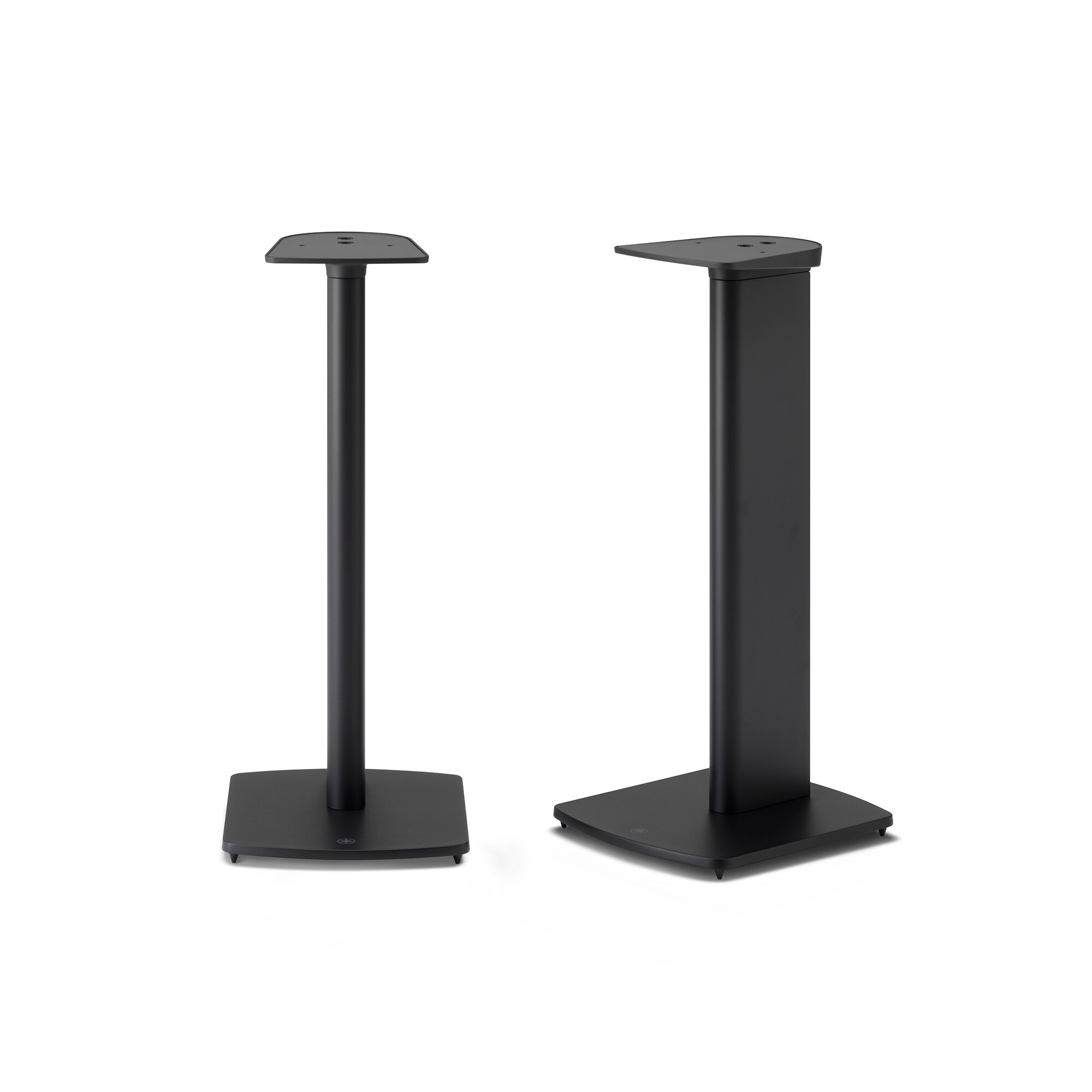
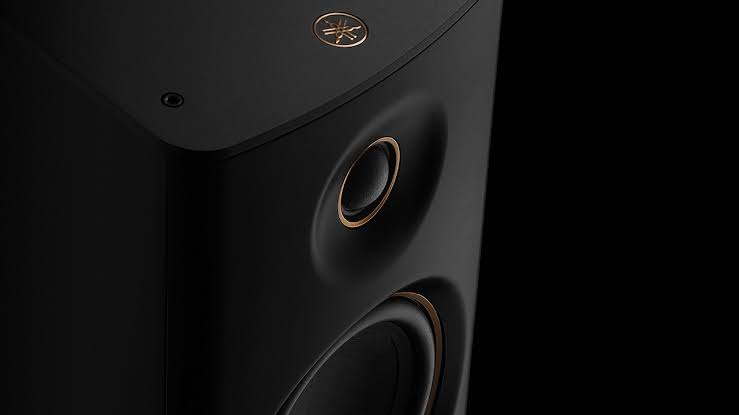
We saw them at Vienna Hi-End 2026 and were particularly impressed by their original and, in some ways, innovative design. Yamaha’s goal—and that of others—in creating premium wireless speakers is to bring authentic and immersive sound into everyday life, allowing users to transition seamlessly from streaming music to watching movies and TV shows, all through MusicCast, Yamaha’s multiroom platform introduced in its current form in 2015 and now featured in most of the Japanese manufacturer’s networked products. Although this is a brand-new product, the design already appears extremely mature. After all, Yamaha can draw on decades of experience in the high-fidelity sector, and with the NX-70A, it has combined into a single product the expertise developed in the design of amplifiers, speakers—we tested the NS-800A with very impressive results—and signal processing systems. The design is original and reflects this philosophy. The lines are clean, with rounded surfaces and a modern yet understated aesthetic. The bronze-colored aluminum “half-moon” on the top panel is particularly beautiful and original; it also serves as a heat sink and immediately sets the speaker apart, along with the famous logo featuring the three tuning forks. The available finishes are black and white, and the SPS-70A stand is offered as a dedicated accessory.
Harmonious Diaphragm
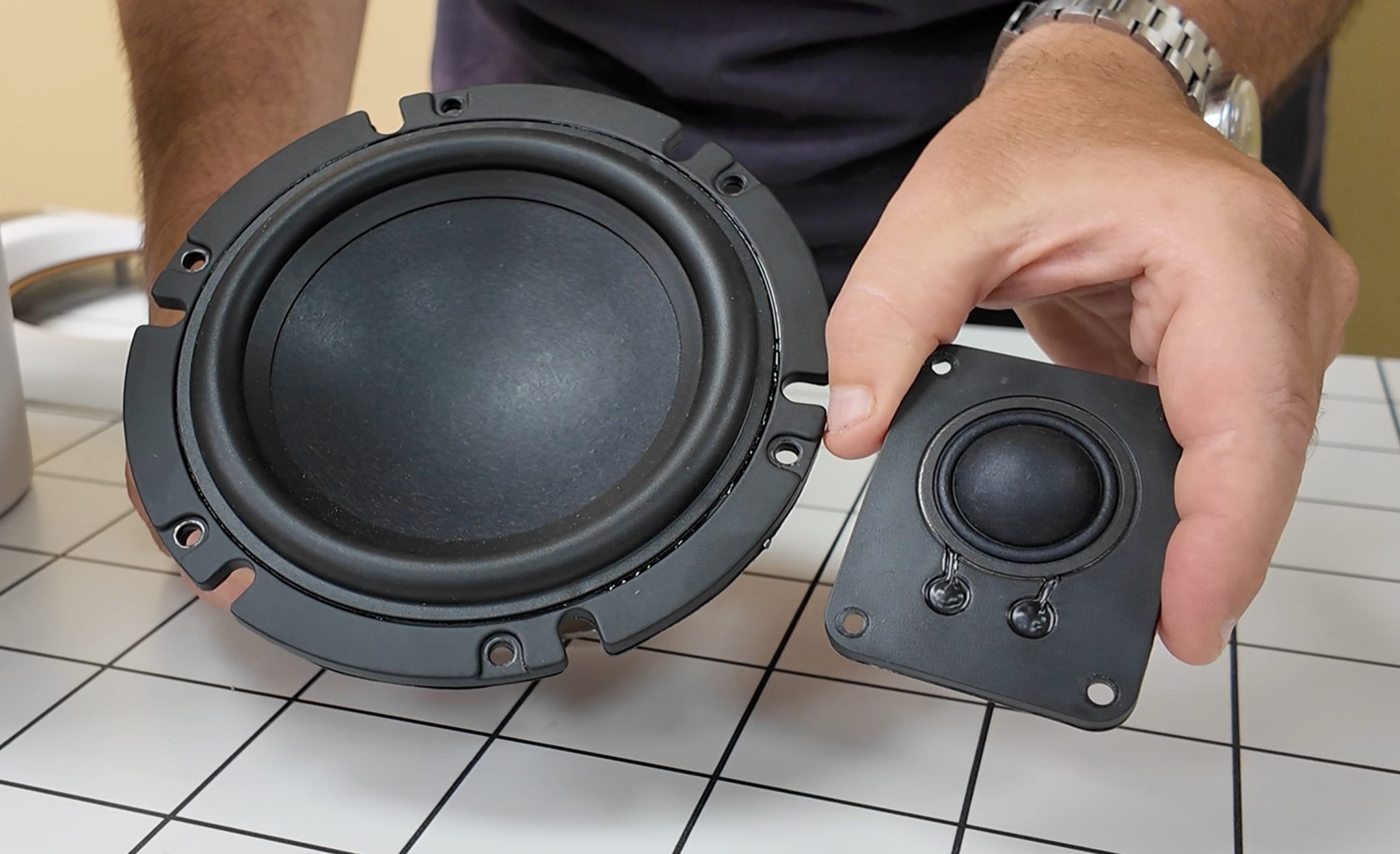
Harmonious Diaphragm is one of the most innovative technologies developed by Yamaha to ensure—according to the company—perfect tonal uniformity across the entire audio bandwidth. What sets it apart is the use of the same material for both the woofer and the tweeter, a rather unusual choice in the Hi-Fi world. The diaphragms are made from a combination of PBO ZYLON fiber—already used in Yamaha’s flagship products—and spruce wood, the same material used in the soundboards of the Japanese manufacturer’s grand pianos. The design is also based on Synergistic Drive technology, a proprietary architecture through which the amplifier and speakers are designed as a single system. In traditional Hi-Fi systems, these two elements operate separately and must adapt to one another, whereas in the case of the NX-70A, the direct connection between the amplifier circuit and the speaker unit allows for more precise control of speaker excursion, reducing the distortion normally generated by the interaction between the amplifier and the speaker.
YPAO
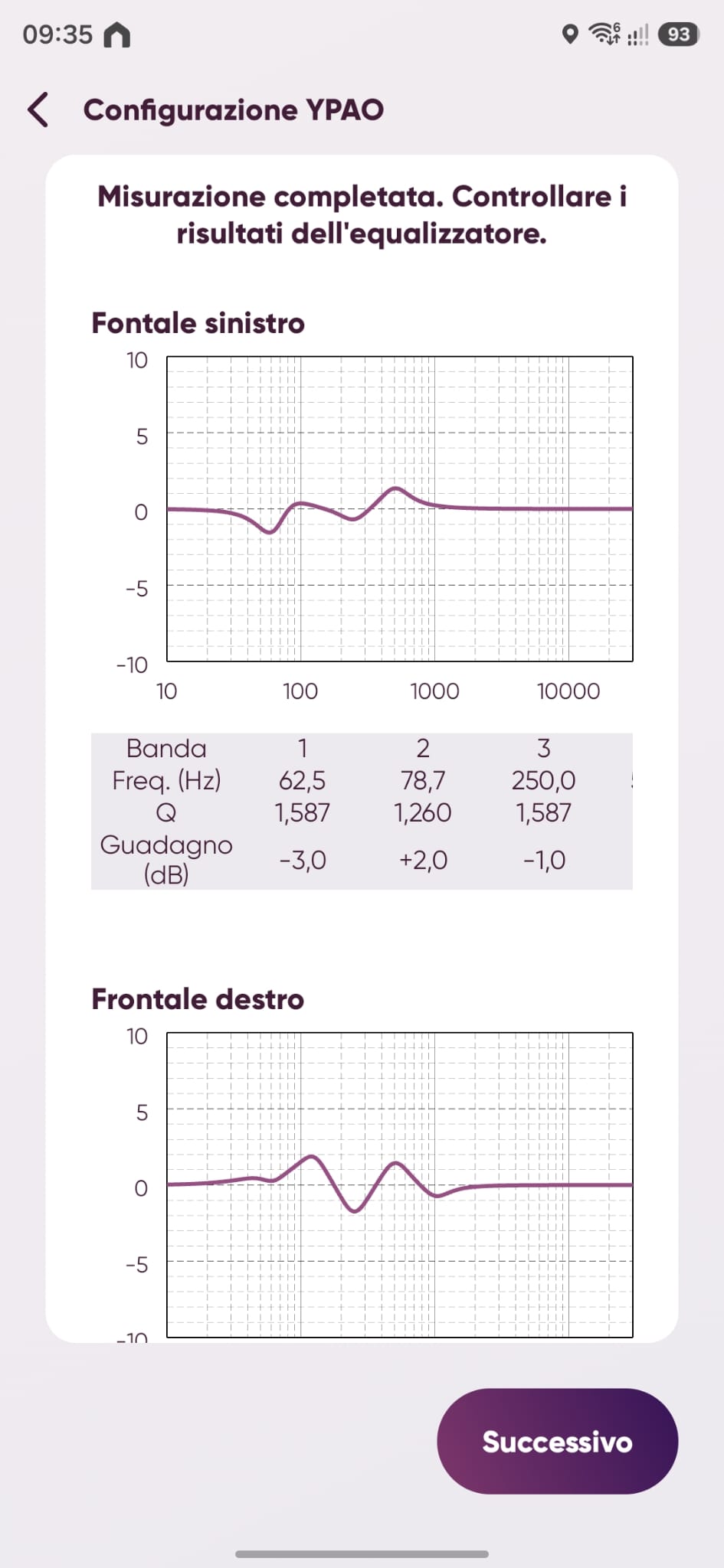
However, as audiophiles know all too well, the final listening experience also depends on the environment in which the system is installed. For this reason, Yamaha has long since developed the YPAO system—an acronym for Yamaha Parametric Room Acoustic Optimizer—a technology already used in the brand’s amplifiers, both two-channel and audio/video models. Using a dedicated microphone—supplied along with an ingenious cardboard stand—the system automatically analyzes the room’s characteristics and optimizes the speakers’ response based on their position and the sound reflections generated by the room. The version used in the NX-70A, YPAO R.S.C. (Reflected Sound Control), specifically addresses the primary reflections that affect the reconstruction of the soundstage, helping to improve soundstage accuracy and tonal balance even in acoustically untreated rooms. Calibration also takes effect when a subwoofer is connected to the dedicated RCA output. YPAO automatically detects its presence and integrates it with the main speakers, harmonizing their operation based on the same environmental parameters used for the NX-70A.
Great attention was paid to the design of the cabinet. The rounded surfaces prevent the formation of internal standing waves, while the exceptionally rigid structure minimizes vibrations. Further reinforcing the cabinet is a 5-millimeter-thick aluminum top plate, secured directly to the frame to increase rigidity and maintain precise, focused sound even at high listening volumes. But that’s not all, because the entire frame housing the electronics is made of copper and acts as a sort of sub-frame that follows the shape of the cabinet. This can be seen through the ventilation grilles located on the top panel and the rear panel, near the control panel and the tuning tube, which extend into the panels housing the inputs/outputs. From a strictly technical standpoint, the NX-70A is a two-way bass-reflex speaker consisting of a 13-centimeter woofer and a 3-centimeter dome tweeter. The active amplification delivers 100 watts to the woofer and 60 watts to the tweeter, ensuring adequate power reserve with a frequency response ranging from 50 Hz to 35 kHz via a wired connection between the speakers, while in wireless configuration it reaches up to 21 kHz. The NX-70A is designed as a modern system. It supports Spotify Connect, TIDAL Connect, Apple AirPlay 2, Google Cast, and is Roon Ready certified. However, direct support for Qobuz is currently missing—which is a shame! Of course, you can access content stored on computers and networked devices via the UPnP protocol.
Great attention was paid to the design of the cabinet. The rounded surfaces prevent the formation of internal standing waves, while the exceptionally rigid structure minimizes vibrations. Further reinforcing the cabinet is a 5-millimeter-thick aluminum top plate, secured directly to the frame to increase rigidity and maintain precise, focused sound even at high listening volumes. But that’s not all, because the entire frame housing the electronics is made of copper and acts as a sort of sub-frame that follows the shape of the cabinet. This can be seen through the ventilation grilles located on the top and rear panels, near the control panel and the tuning tube, which extend into the panels housing the inputs and outputs.
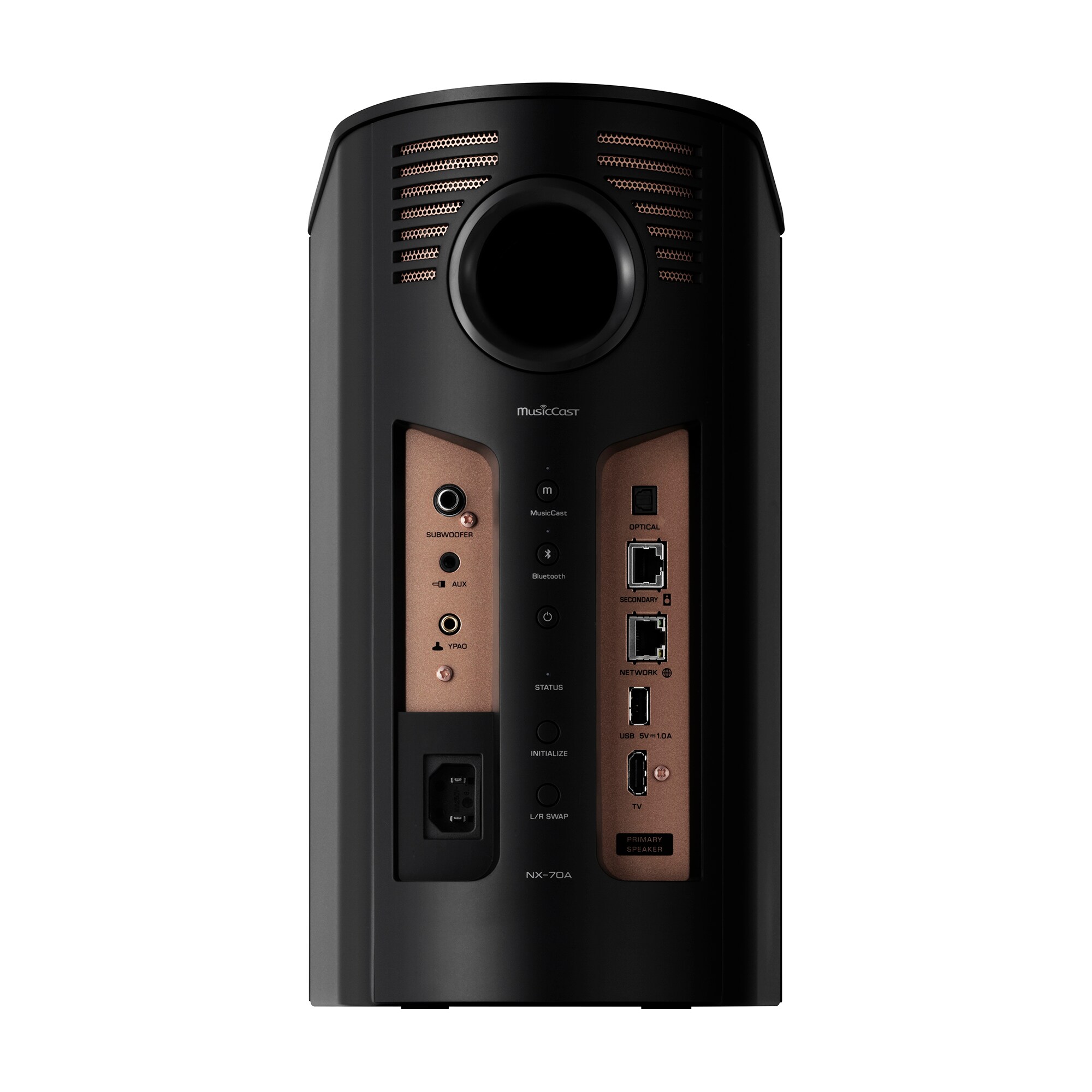
All the controls and connections are located on the rear panel of the main speaker, labeled “Primary Speaker.” In the center section are the buttons for Music Cast pairing, Bluetooth pairing, power on, reset, and switching the L/R channels. On the right are the optical input, the LAN port for the second speaker, the Ethernet port—which we recommend using whenever possible—the USB port for powering external devices, and the HDMI connection. On the opposite side are the subwoofer output, the 3.5 mm analog mini-jack input, and the input for the YPAO microphone. The secondary speaker has only the Ethernet port.
Listening
The NX-70A’s sound signature is modern, precise, and very well-balanced, with a remarkable ability to adapt to different musical genres. The sound is clean, detailed, and dynamic, with a particularly well-defined midrange that brings out vocals and acoustic instruments, while the high end is extended and refined. Even at high volumes, they maintain good control and convey a sense of power beyond what their size might suggest. To get the best out of these speakers, however, proper placement is essential. The NX-70A speakers do not perform well when placed too close to the rear wall and sound significantly better when given room to “breathe,” maintaining a fairly generous distance from the back wall. In this configuration, the soundstage gains depth, instruments are better positioned in space, and the stereo image is wider and more convincing. If, on the other hand, they are placed too close to the wall, the sound tends to become compressed, and some of the naturalness—which is one of their strengths—is lost.
The YPAO automatic calibration system works effectively and offers significant added value. In an untreated home environment, it corrects issues related to room acoustics, improving tonal balance and providing a more consistent listening experience. In an acoustically treated room, however, YPAO’s performance may be less convincing. During testing, a slight tendency emerged to reduce the central focus of the soundstage, causing the central image to lose some of its solidity; with the system disabled, the central image appears more natural and better defined. In such cases, it’s best to experiment with both configurations and choose the one that best suits your environment.
In terms of dynamics, the NX-70A speakers are energetic and capable of easily filling even medium- to large-sized rooms. Their power reserve is impressive, allowing them to handle both relaxed listening and high-volume playback with ease, while always maintaining good composure. What is most noticeable is a certain lack of depth in the lowest register. The bass is fast, precise, and well-controlled, but it doesn’t extend low enough to fully convey the impact of certain musical genres or movie soundtracks. For this reason, pairing them with a subwoofer is strongly recommended. It completes the frequency response without altering the character of the speakers and allows you to achieve a much more complete and immersive system.
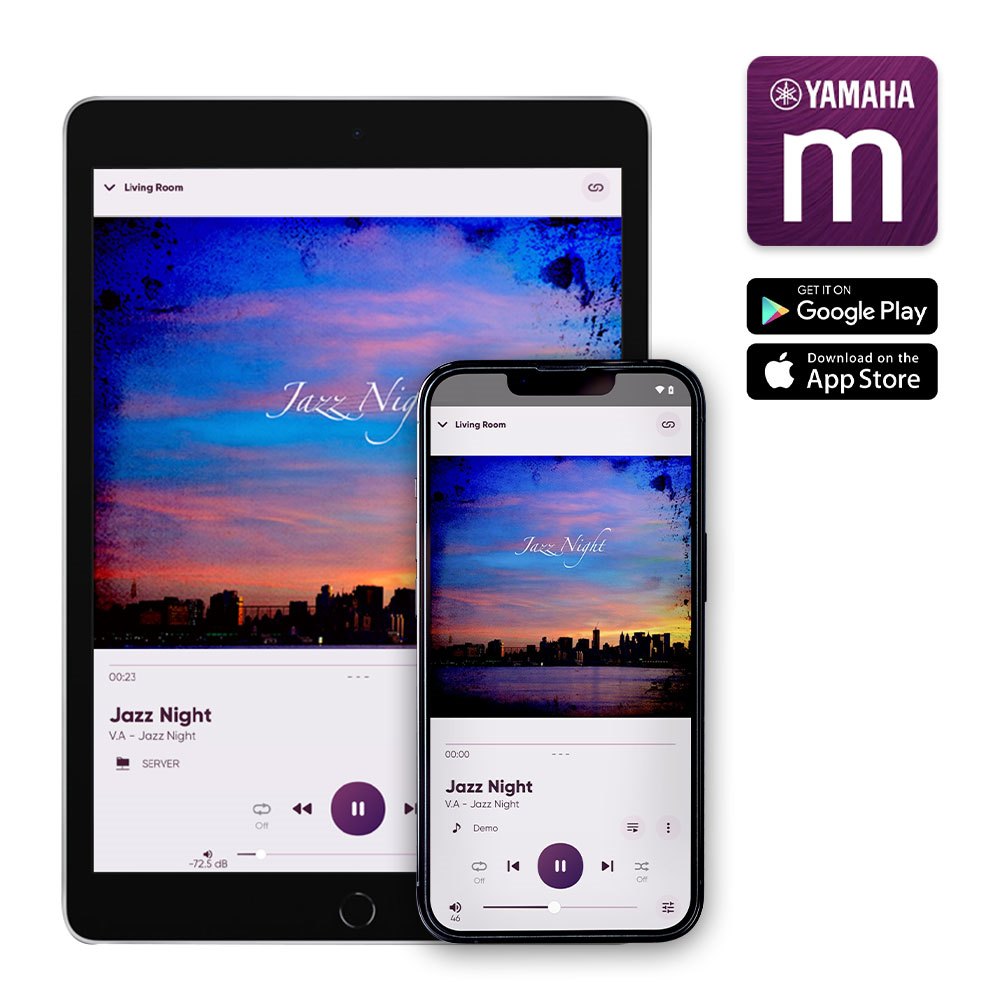
Another standout feature is its versatility. The NX-70A integrates seamlessly into Yamaha’s MusicCast ecosystem, which remains one of the most mature and reliable streaming and multiroom systems available. The app is intuitive, stable, and makes it easy to manage music, listening groups, and compatible devices, making everyday use extremely enjoyable. In terms of features, there’s really very little to criticize, except for the absence of Qobuz Connect—a shortcoming that’s particularly noticeable today for those who regularly use that streaming service and would prefer to control playback directly from the official app.
Overall, the Yamaha NX-70A speakers prove to be extremely successful, capable of delivering top-notch performance as long as you take the time to position them properly. They are powerful, precise, very pleasant to listen to, and versatile enough to adapt to different uses, from music and streaming to integration into an advanced multiroom system. With proper placement, a supporting subwoofer, and careful evaluation of YPAO settings based on the listening environment, they deliver truly exceptional sound quality and represent a very attractive option for those seeking a complete, modern system with a compelling sound.
With a price tag of 2,999 euros, the Yamaha NX-70A speakers are positioned in the high-end segment of wireless active speakers and are aimed at enthusiasts who want a complete, modern, and easy-to-use Hi-Fi system.
Technical characteristics:
- Type: 2-way bass-reflex
- Woofer: 13 cm Harmonious Diaphragm
- Tweeter: 3 cm Harmonious Diaphragm
- Frequency response: 50 Hz–35 kHz
- Power: 100W woofer, 60W tweeter
- Inputs: 1 mini jack, 1 optical, 1 HDMI (eARC/ARC), 1 LAN, 1 USB Type-A, 1 YPAO
- Outputs: 1 RCA subwoofer output, 1 LAN port for secondary speaker
- Compatibility: MP3, WMA, MPEG-4 AAC, WAV, FLAC, ALAC, AIFF, DSD
- Network: Server, Internet Radio, AirPlay 2, Spotify Connect, TIDAL Connect, Google Cast, Roon Ready
- Bluetooth: SBC/AAC
- Standby power consumption: 2W
- Dimensions: 189 x 234 x 333
- Weight: 5.7 kg
Manufacturer: Yamaha Japan
Distributor: Yamaha Italy





GIPHY App Key not set. Please check settings