

 Audio 2G
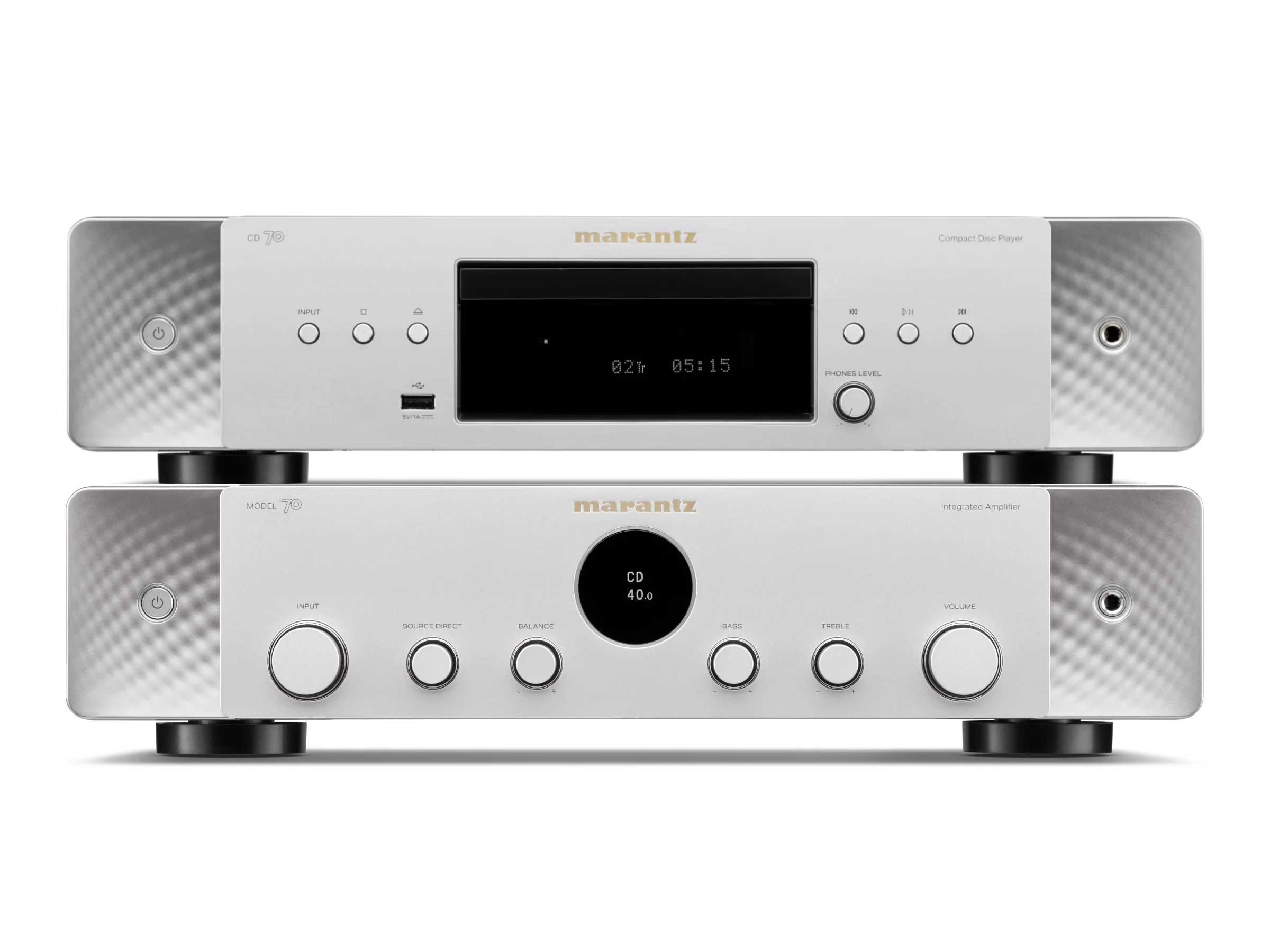
In this review, we’re looking at not one but two devices: the Marantz Model 70 integrated amplifier and the Model 70 CD player; while these devices can obviously be purchased separately, it’s quite clear that they were designed to work together. After all, they are the successors to another Marantz “pair” that for years dominated the American manufacturer’s entry-level segment—a segment the company has always successfully held in the most affordable price range of the market. Those were the PM6007 and the CD6007 CD player. Let’s see, then, if these new products live up to their predecessors.
Preliminary Market Considerations
I just wrote that the Marantz 70 Series includes an integrated amplifier and a CD player. From a categorization standpoint, that description would have been obvious until a few years ago. When I was a kid, it was completely obvious that along with an integrated amplifier, you needed to buy a source component such as a turntable, CD player, or tuner. These days, Hi-Fi—particularly the segment entry level, has evolved in terms of types, forms, and functions, offering those fixtures All-in-One, which we often come across. Marantz has taken a different approach: it has certainly ventured into the production of effective and successful products that are the products of modernity, such as that delightful Model 1 We tested it some time ago, but the company has continued, with its characteristic dedication and expertise, to offer amplifiers and CD players. Not only that, but with foresight, it has integrated some of the features found in its most recent products, incorporating them into a well-established aesthetic and functional design that is highly appreciated by the brand’s customers.
Technical Analysis
I mentioned earlier that the PM6007/CD6007 serve as the starting point for this integrated amplifier and CD player combination. This is not just my personal impression but something that has been confirmed to us by company representatives. However, there are numerous technical and aesthetic differences, which have led to a different price positioning for the two products, both of which now belong to the very high end of the segment. entry level. I think I can safely say that the target audience for this pair consists of users who want something more in terms of sound quality than what an integrated audio/video system—perhaps an advanced soundbar—can offer, and who are open to listening with “just” two channels.
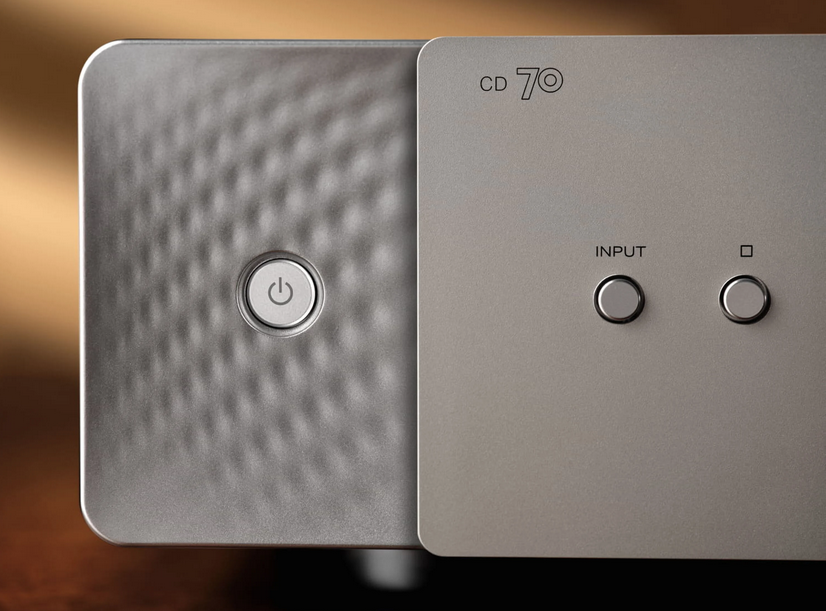
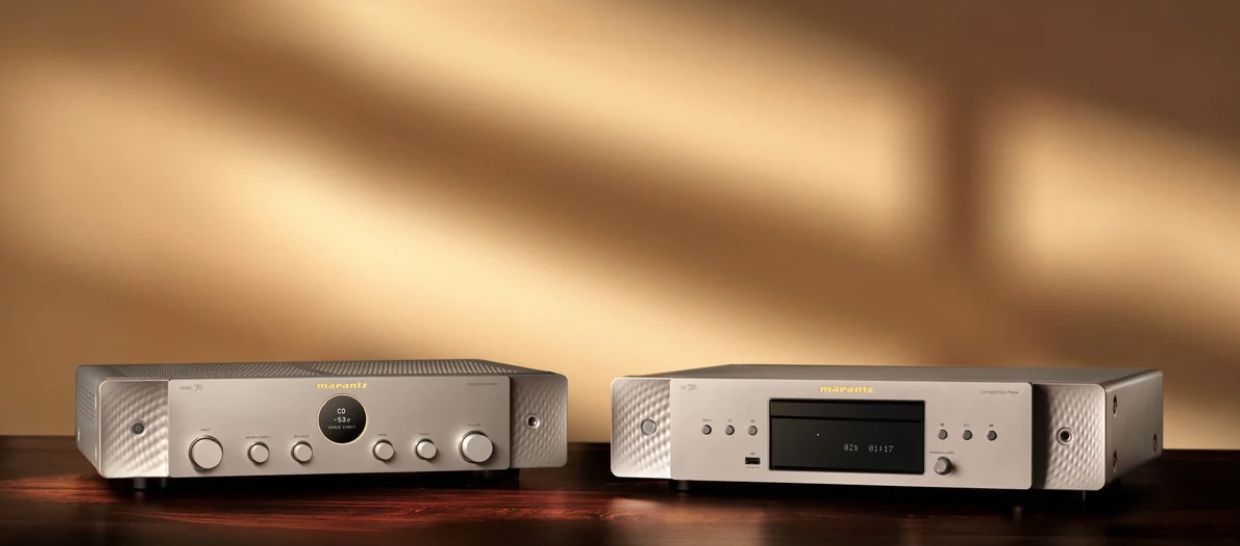
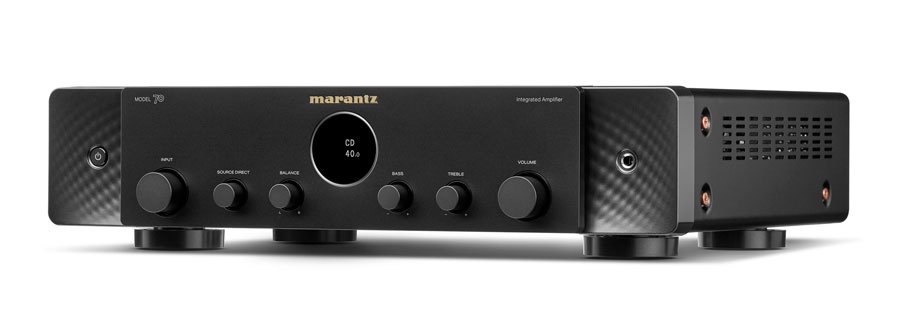
I’d like to start by noting the aesthetic similarities to the larger models in the Marantz catalog. The front panel is divided into two overlapping sections: the lower one features a pleasing 3D textures, while the one that takes up most of the available space is smooth and contains the various controls—it is the now-iconic porthole featuring an OLED display positioned exactly in the center. Missing from this version are Entry Level, the two LED light strips that separate the two panel sections. The various rotary controls are arranged symmetrically around the vertical axis and offer a pleasant tactile sensation of precision and solidity. Specifically, from left to right, we have the input selector, the mode activation button Source Direct which bypasses the tone controls and channel balance. To the right of the display are the two tone controls (which can be bypassed) and, finally, the volume control. It’s worth noting that the Source Direct selector could have been implemented using a toggle switch, but for the sake of design consistency, it was rightly implemented as a rotary control.
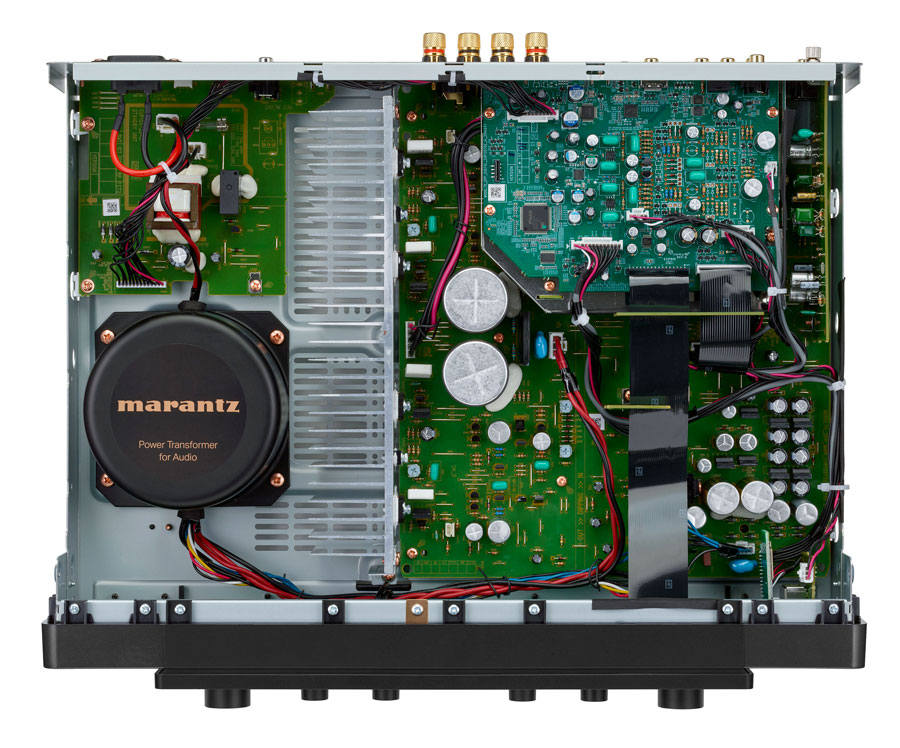
The rated power is 50 watts into 8 ohms, rising to 65 W into 4 ohms. By today’s standards, these figures aren’t particularly impressive. After all, especially in the entry-level segment, Class D technology has become the norm, offering very high power output at affordable prices. In this specific regard, the Marantz Model 70 features a distinctive characteristic that we had already noted during our review of the Model 60: at the top end of the Marantz lineup are models based on Class D modules, which are considered particularly complex to manufacture while adhering to the high quality standards to which the American manufacturer has accustomed us. Below this tier, the company adopts a more traditional approach; consequently, the Model 70 features a Class AB amplifier stage that incorporates HDAM technology (Hyper Dynamic Amplifier Module), which the company has been developing for some time and is now in its SA3 version, replacing more conventional integrated circuits. Compared to the PM6007, the total capacitance has increased from 12,000 uF to 15,000 uF (+25%); furthermore, the position of the capacitors has been shifted to place them closer to the output stage, thereby reducing the resistance of the wiring in the power supply circuit. The volume control is no longer analog but is based on a rotary encoder, which displays the volume on the central screen and drives a chip positioned in such a way as to significantly shorten the signal path compared to the previous model.
Unlike the larger models, the HEOS streaming platform is not included; therefore, if you need this feature, you’ll need to connect an external streamer to the Model 70—possibly to one of the digital inputs.
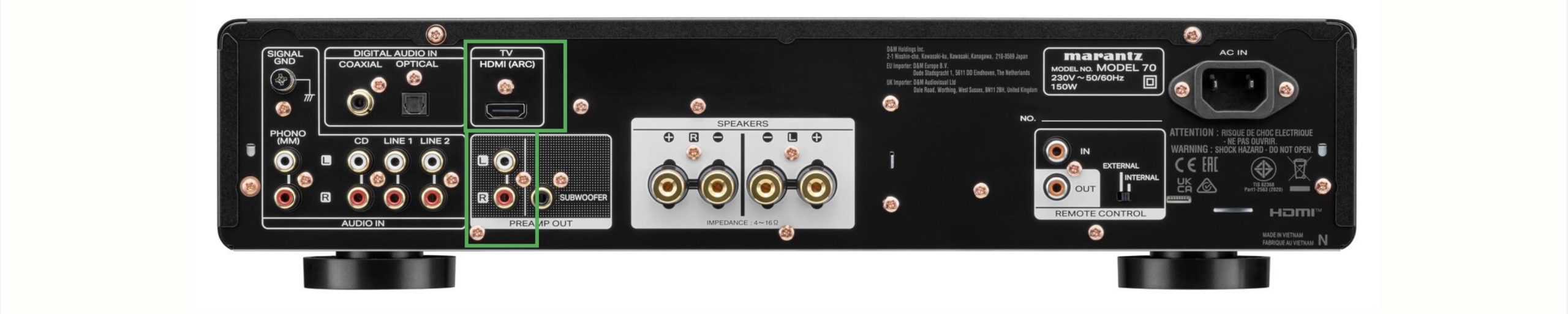
Looking at the rear panel, we find that the Model 70 offers quite extensive connectivity: the analog section includes three unbalanced line inputs (RCA) and a phono stage for moving-magnet cartridges; there’s also a stereo preamplified output and a dedicated mono output for the subwoofer. Added to this are the inputs from the digital board, which is based on a Sabre ES9020Q DAC chipset and offers a coaxial input, an optical input, and an HDMI ARC input that allows you to turn the unit on and off and adjust the volume using the remote control of the TV to which it is connected. Of course, it also supports Bluetooth technology compatible with the aptX HD codec. All things considered, we can say that the Model70 could already deliver a great sound on its own, without the CD70 player or any external source. As with the previous model, there is a 6.3 mm headphone output on the front panel.




GIPHY App Key not set. Please check settings