



 Audio 2G
Listening, with Danilo Rea
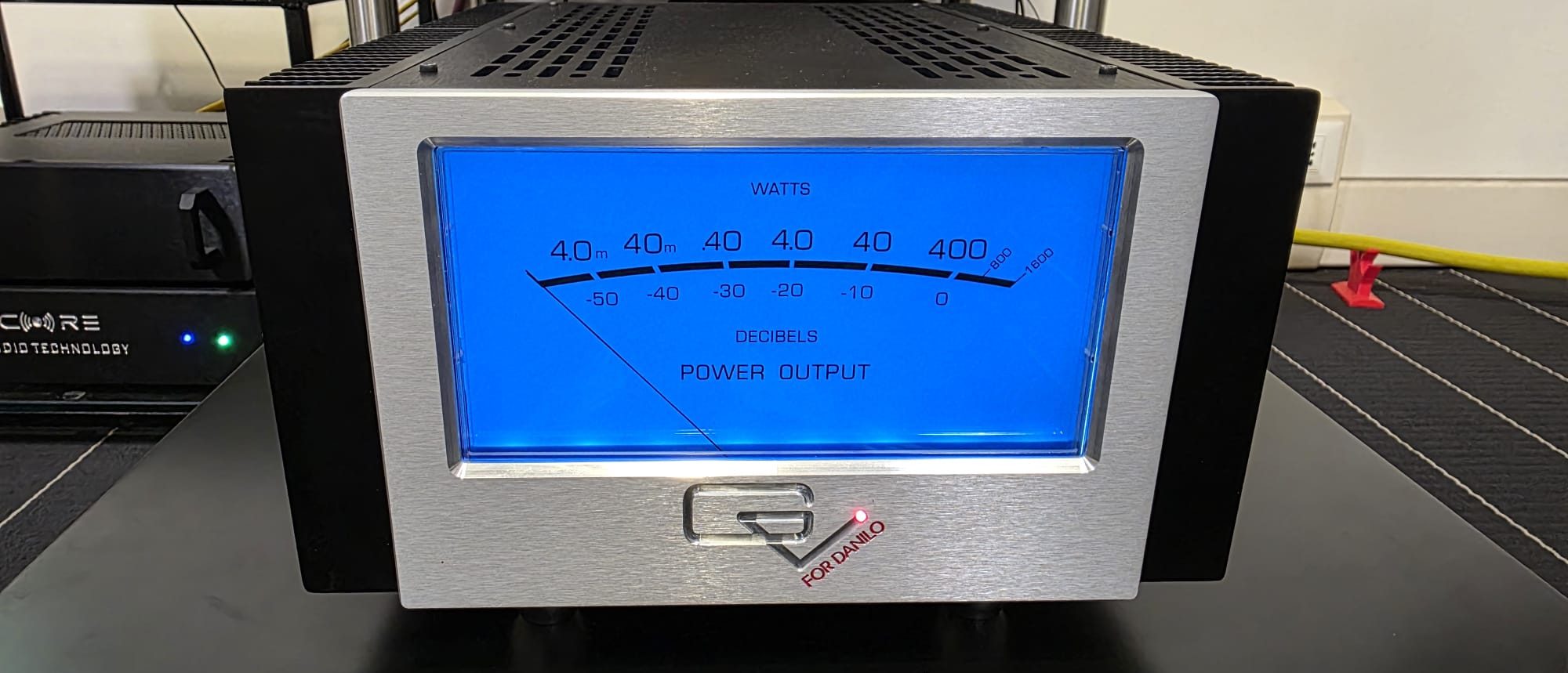
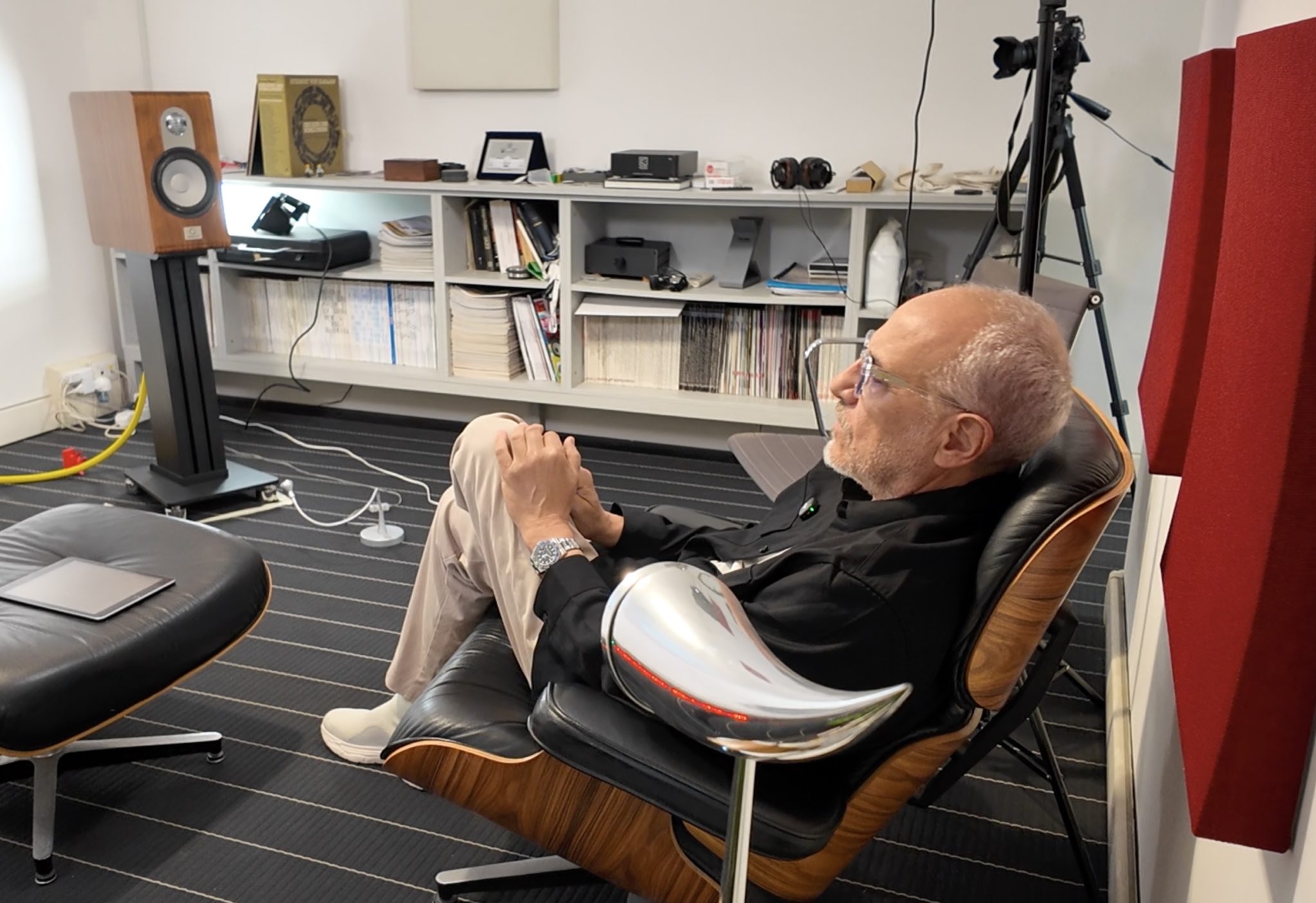
The final judgment on an audio amplifier can only come through listening. The Aleph 5 clone was listened to with Marten Parker Duo speakers (find the test here) and Linn Selekt DSM source with Organik Stereo dac (find the test here) using balanced connections. First impressions, already in the initial minutes after turning it on, were of absolute naturalness. There is something about the sonic character of the Aleph amplifiers that is difficult to describe precisely without resorting to metaphors, but it is an immediate perception, a kind of soft, continuous transparency, like looking through crystal-clear glass instead of slightly veiled air. With orchestral music, the clone demonstrated an ability to handle dynamic complexity rarely encountered at these levels. Orchestral crescendos developed without that feeling of compression that betrays amplifiers struggling at high currents. The Aleph, with its pure Class A, seems to have much greater dynamic reserves than the power rating would suggest. The midrange is where the Aleph perhaps expresses itself best. Voices have a rare presence and concreteness: a feeling of thickness and body that is neither inflated nor artificially colored, but “simply” the result of a particularly faithful transfer of the information contained in the recording. The timbre of the acoustic instruments, the pizzicato double basses, the piano violins, the fortepiano, everything had a credibility that kept one glued to the listening effortlessly.
The soundstage has great breadth and depth. The separation between instruments sharp without being artificially exaggerated, and the placement of elements in the stereophonic image stable and consistent even in the most complex passages. A two-stage only amplifier without global feedback is, almost by definition, the circuit with the least possible phase delay, and this results in a reconstruction of spatiality that many more elaborate circuits struggle to match. The low range is controlled and precise with great texture, that is, the ability to distinguish timbral differences between different grave instruments, to hear the electric bass string vibrate differently from the membrane of a double bass, to perceive the decay of grave sounds in their natural development over time. High frequencies are no less, extended and detailed without ever becoming aggressive: percussion cymbals retain their natural brilliance. In extended listening sessions, the characteristic that perhaps more than any other defines this amplifier emerged: the total absence of fatigue. After hours of listening, the music continues to be engaging and enjoyable. There is not that feeling of saturation that sometimes accompanies listening; Aleph seems to disappear, putting the music in the foreground and relegating the amplifier to the role of medium without intermediary. Building a clone of the Aleph 5 is a challenging project, requiring nontrivial technical skills and appropriate measurement equipment. It is not a project for beginners, nor is it something you complete in a weekend; in this case it took about 7 months. But it is also a project that amply repays the investment, both in terms of construction satisfaction and sonic result. The choice of the Monoblock HiFi2000 enclosure turned out to be excellent. The build quality of the chassis is on par with any high-end commercial device, the thermal management is more than adequate, and the final aesthetic appearance is that of a serious, understated instrument built to last for decades. There is something profoundly satisfying about the fact that one of the best amplifiers that can be built today, capable of competing with commercial equipment of much higher cost, has such an essential circuit. Nelson Pass demonstrated decades ago that complexity is not necessarily synonymous with quality, and that sometimes the most straightforward path is also the right one. This clone, made with respect for the original, only confirms this every time the music comes to life through it.
Technical characteristics:
Type: stereo power amplifier
4/8Ω power: 90/60W per channel
Finals: Mosfet
Frequency response: 2Hz-100kHz
Gain: 20dB
XLR/RCA input impedance: 25kΩ/10kΩ
Damping factors: 50
Distortion: 1% at 60W/8Ω
Power consumption: about 300W
Dimensions: 310X210X480





GIPHY App Key not set. Please check settings