



 Audio 2G
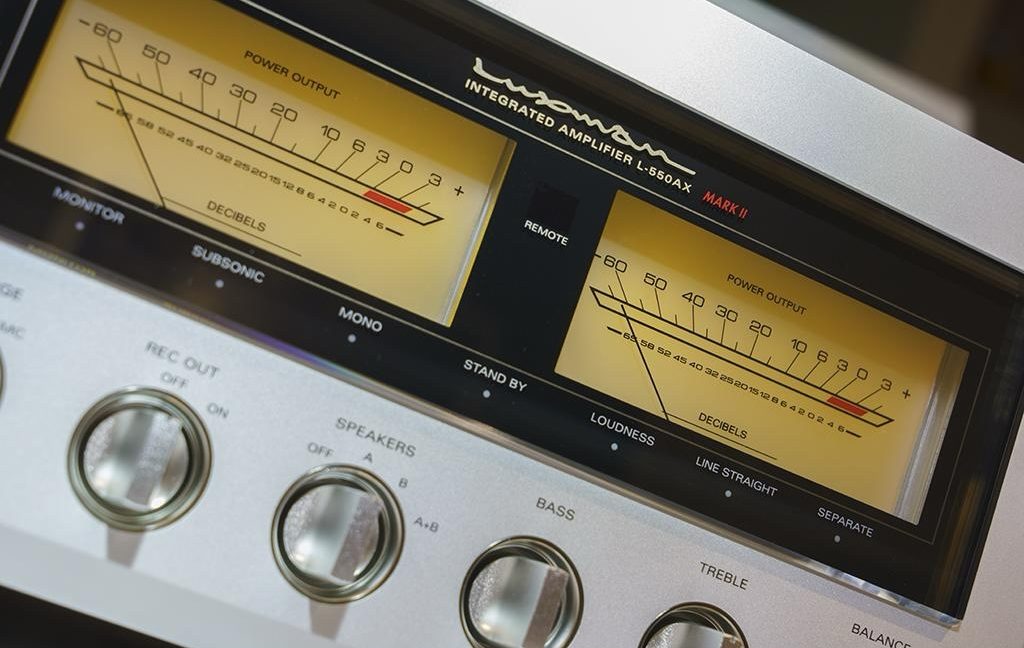
Luxman was founded in 1925, and its history is one of the most fascinating and long-lived in the entire panorama of global high fidelity. Few brands, in fact, can boast such profound historical continuity, traversing nearly a century of technological evolution without ever losing a precise sonic and philosophical identity.To speak of Luxman is, in some ways, to tell the story of Japanese hi-fi. It was born in a completely original way, within the Kinsuido Picture Frame Store, a frame and artwork store owned by the two founders, T. Hayakawa and K. Yoshikawa, who immediately understood the cultural and commercial potential of radio–in its infancy and then seen almost as a form of magic–in a Japan that was just entering the age of broadcasting. And so Hayakawa and Yoshikawa began a small radio production.
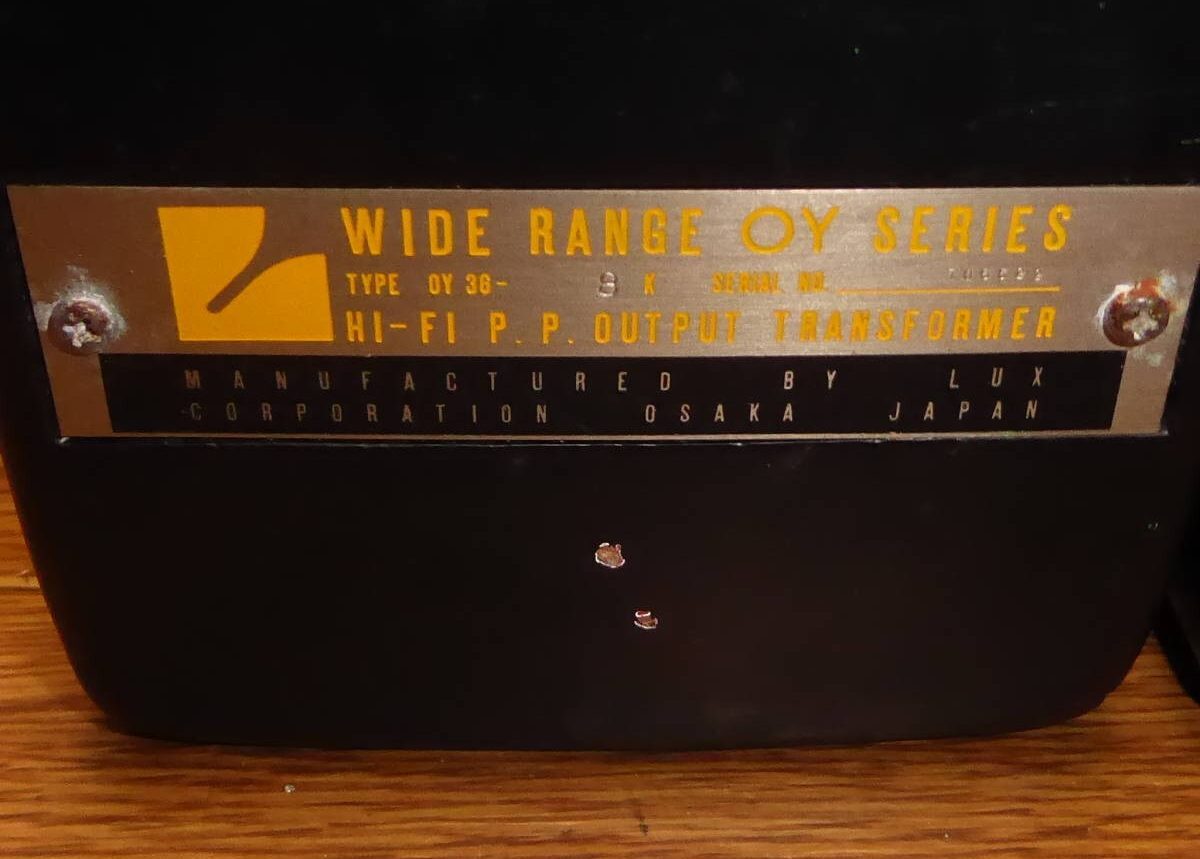
At the time, Japan was almost completely dependent on American and European components. Luxman sensed very early on that true quality would only come with in-house production of critical components. Thus were born the first in-house designed transformers and commutators, elements that helped build the brand’s reputation as early as the 1930s. Luxman output transformers became famous for precision and musicality, and to this day are still considered a fundamental part of the “Luxman sound.” In the war and immediate postwar years, the company survived Japan’s enormous industrial difficulties by maintaining a strong technical focus. In 1952 the historic OY transformers appeared, now almost legendary among collectors of Japanese tube equipment. At that time Luxman also began publishing technical and popular material devoted to radio and audio electronics, contributing to the education of a generation of technicians and enthusiasts.
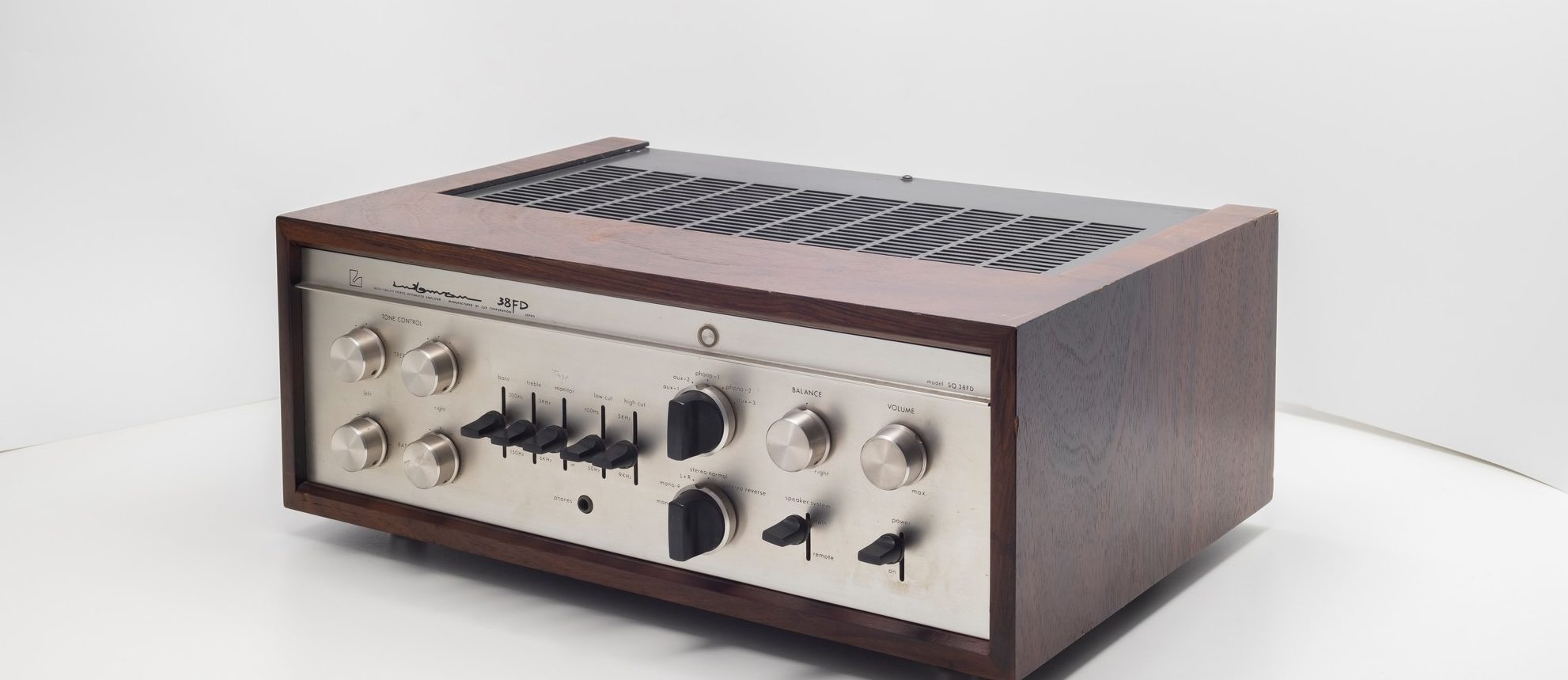
The 1950s and 1960s were pivotal because they coincided with the birth of modern high fidelity: Luxman began producing complete tube amplifiers, preamplifiers, and receivers that sought not power, but naturalness of tone. Just at a time when many companies aimed to impress with aggressive technical specifications, Luxman instead developed an elegant, warm, and refined sound philosophy. Witness that trend: the MQ-60, MQ-68 and SQ-38, tube amplifiers that are still highly rated today. SQ-38, which appeared in the early 1960s, is perhaps the most recognizable symbol of classic Luxman: gold-plated front and wooden cabinet. Then came the transistor in the 1960s, and many companies-but not Luxman-abandoned tubes altogether. Luxman, on the other hand, continued to develop both technologies, and is still one of the very few historical manufacturers to have kept valve amplifiers in production without interruption from the postwar period to the present. In the 1970s came the real international boom. Japan was becoming the world center of consumer electronics, and Luxman found itself competing with such giants as Sansui, Pioneer, Technics and Accuphase, but without making the mistake of entering the “power war”-that is, the race for ever more powerful and spectacular amplifiers-while maintaining an almost aristocratic position.




GIPHY App Key not set. Please check settings