Roon is undoubtedly the best intangible music management software, and it has been in its many incarnations since the early 1990s when Enno Vendermeer, its founder and creator developed the first version of the famous software while also setting up a system to run it. At the time, processing was much more cumbersome than it is now, and so he had to, together with Danny Dulai, put all his knowledge to good use, setting up a cumbersome and complex machine

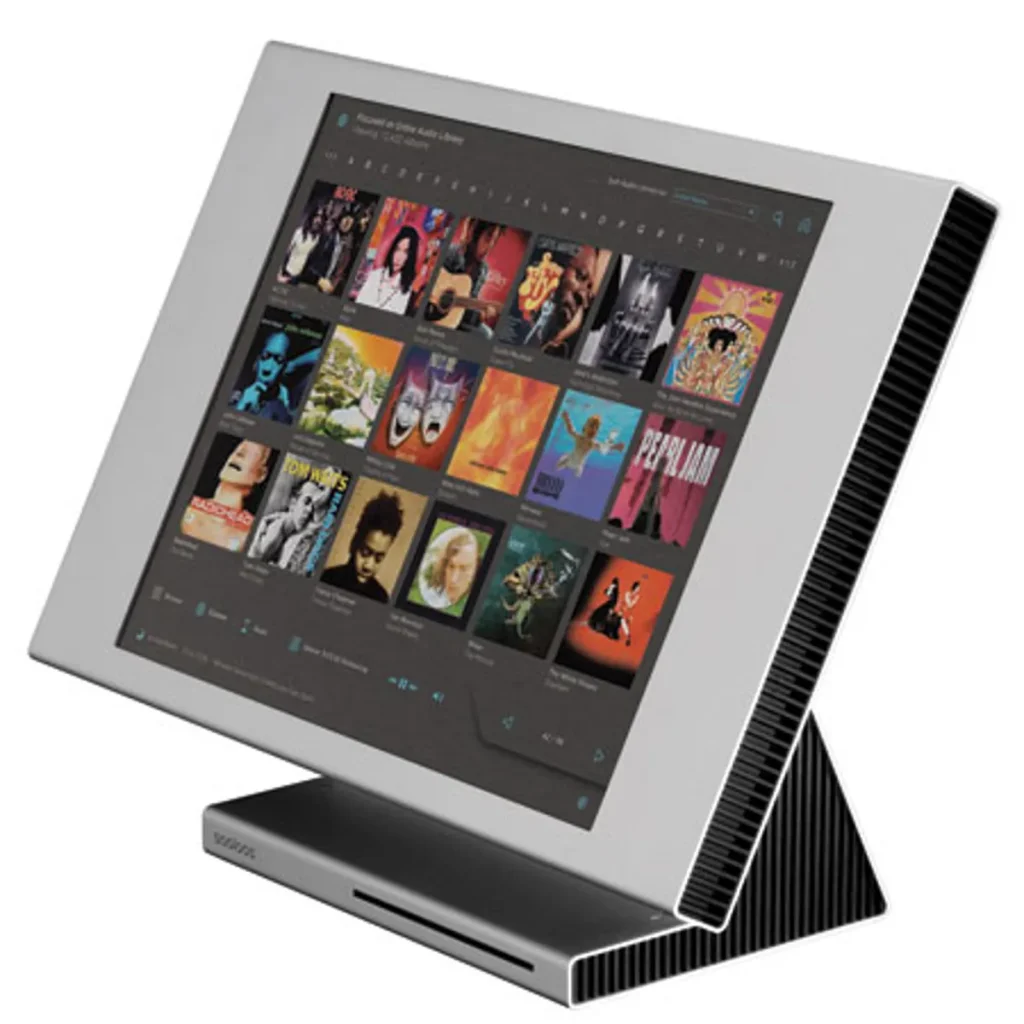
the Sooloos, made of parts, a touch monitor with CD ripping, a processor, and a modular stack of disks, and the whole thing was extremely expensive. At the time, the only legal source of files was CD ripping, while the first distribution services were beginning to gain ground, but they offered files and not playback capabilities. It was judged an absolute gamble. The market, however, proved Enno right, so much so that the company was bought by Meridian, which incorporated the software into its systems, only to pass it back a few years later into the hands of Enno, who in the meantime had remained in charge of the research and development team anyway. News of less than a year ago is that the company was bought again, this time, however, by Harman International, a real giant, which left management in the hands of the capable Enno, limiting itself to ownership and implementation of the software in its own systems. This is the story, marked, a few years ago, by the introduction of two processors by Roon Labs, the “cores” where the software runs, which were called Nucleus and Nucleus+, characterized by different processing capabilities and the absence of fans.

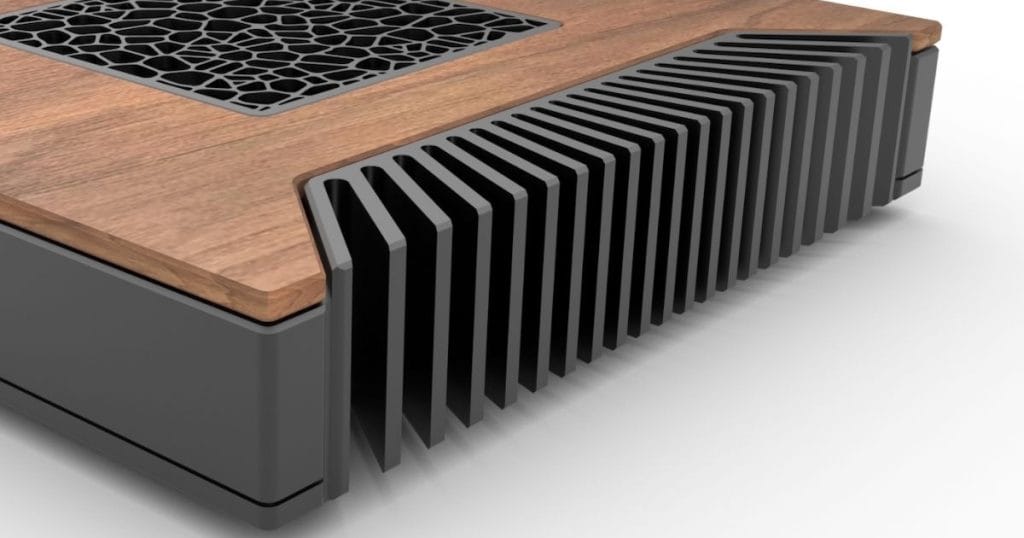
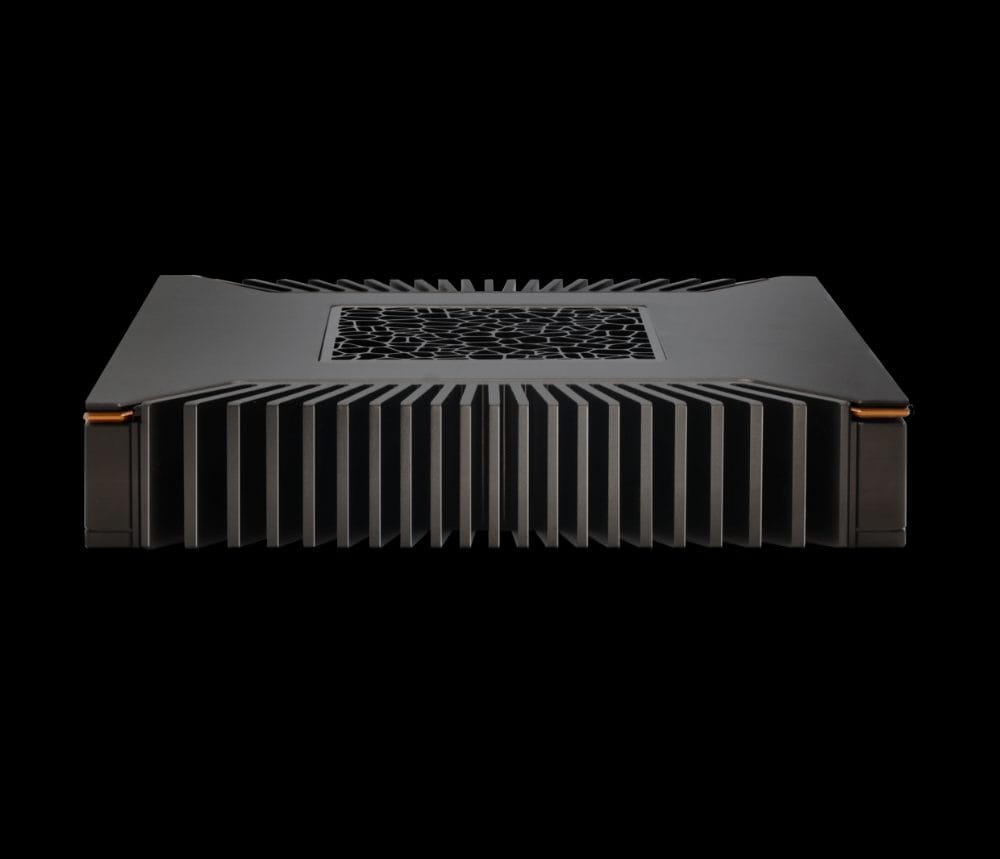
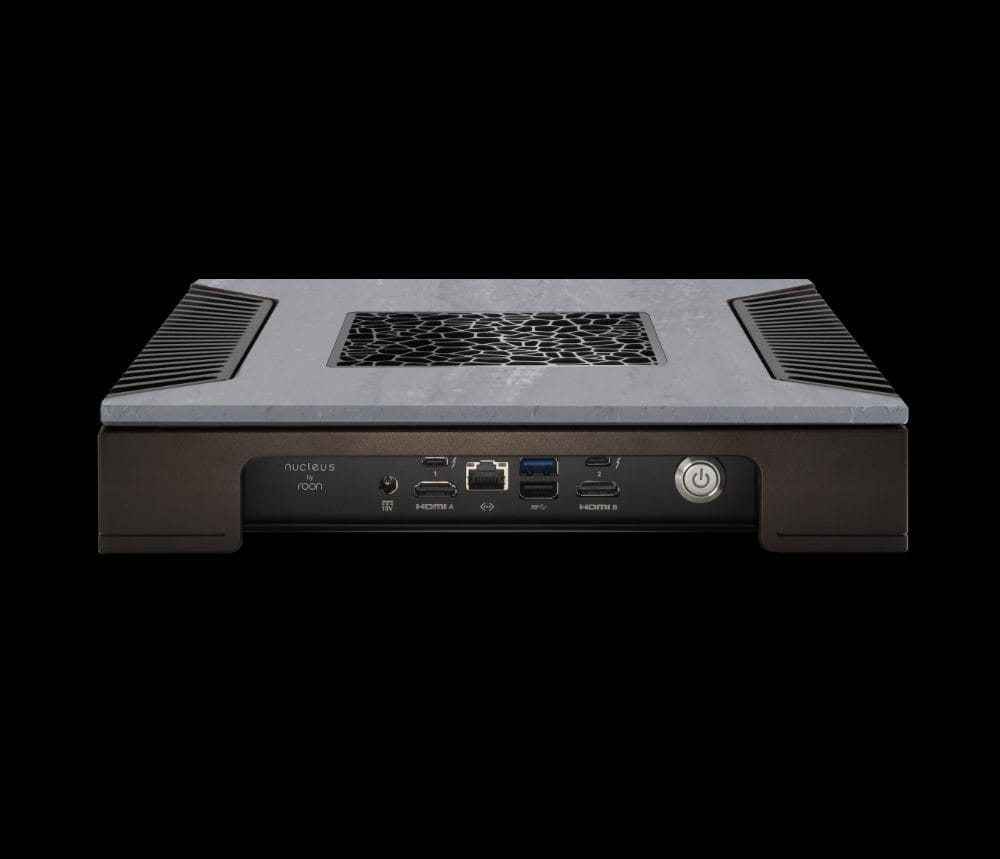
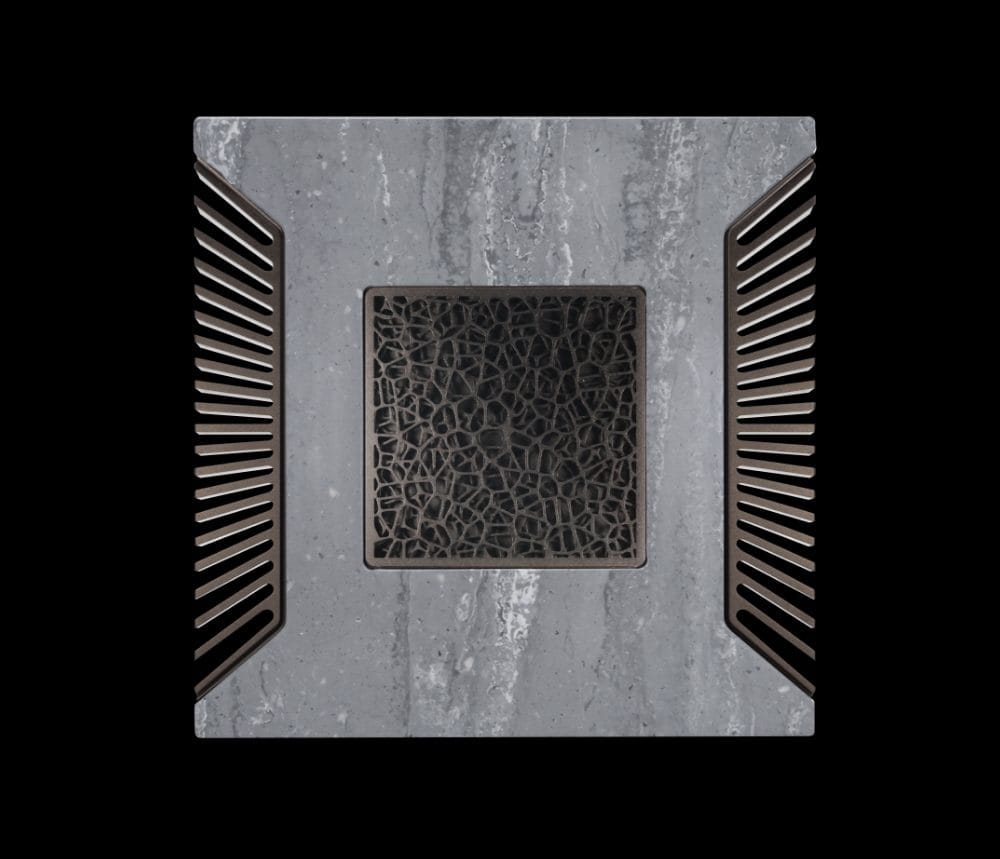
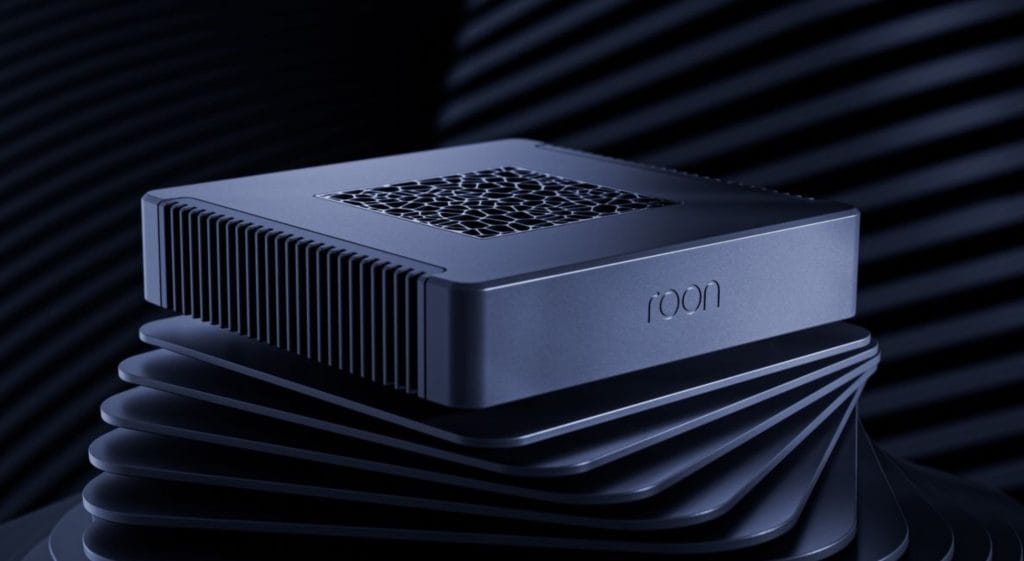
This new Nucleus Titan, retires Nucleus+ and is an uncompromising high-performance server joined by the Nucleus One. The former of higher quality is intended specifically for library management, music exploration and playback in the best possible way, while the latter is simpler, fan-equipped and replaces Nucleus. Titan, as technical features, offers hardware with superior performance, along with extremely refined aesthetics; in fact, it is possible to choose from three customizable materials for the shell-metal, stone, and wood-to create a unique server/streamer. Nucleus One, on the other hand, has ABS enclosure and less pushed performance.

For Titan compared to Nucleus+: 36% higher CPU performance, with high power efficiency (37% more than Nucleus+), and an 80% increase in RAM speed and resulting bandwidth. New is the new thermal management system, which combines a high-efficiency CPU heatsink with a fanless convection cooling system using a precision-machined billet aluminum case machined from a solid block of premium metal. Nucleus One, on the other hand, is in fact a MiniPC where the Roon operating system runs, with performance overlapping with Nucleus

Regarding Titan’s finishes, the metal version is the one without overpricing, while wood or stone covers can be bought as accessories. Nucleus Titan will be available from the second half of March.


Nucleus Titan technical characteristics:
- Manageable library: over 10,000 albums and 100,000 songs
- Multi-room: more than 6 simultaneous zones
- DSP capabilities: all MUSE DSP functions.
- Outputs: 2XHDMI audio only, 2XUSB-C, 1XUSB A 2.0, 1XUSB A 3.0
Distributor: Audiogamma, Via Nino Bixio 13 Monza. www.audiogamma.it 0255181610
Price: 4299 euros
Additional covers wood or stone: 150€
Nucleus One technical characteristics:
- Manageable library: up to 10,000 albums
- Multi-room: up to 6 simultaneous zones
- DSP capability: in the PC domain, only some DSD+DSP combinations possible
- Outputs: 1XHDMI audio only, 1 ethernet, 2XUSB A 3.0
Distributor: Roon Labs
Price: 599€+shipping
Available only at Roon‘s online store


GIPHY App Key not set. Please check settings