

 Paolo Di Marcoberardino
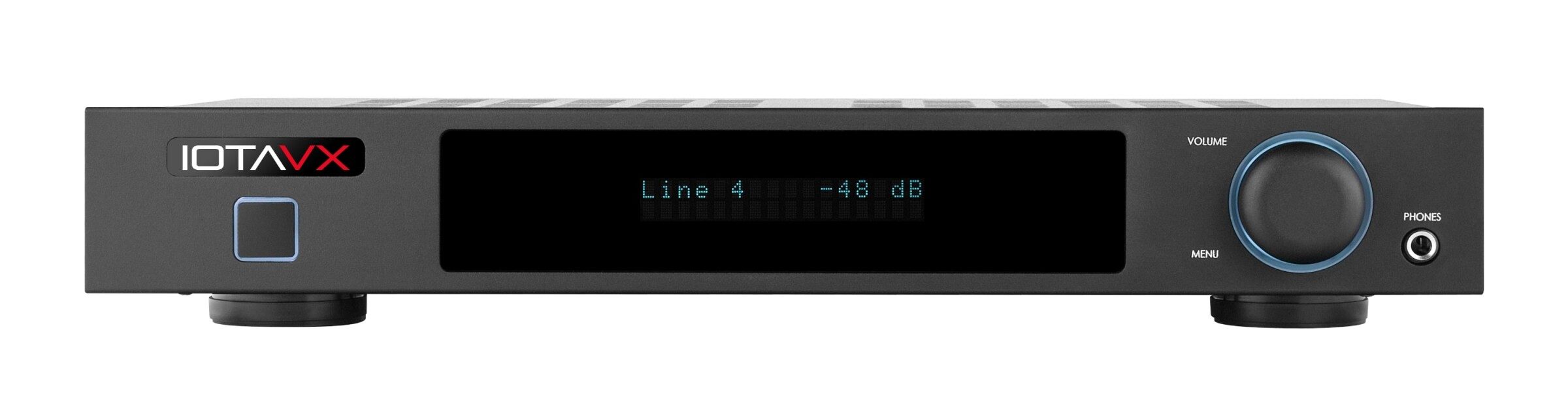
When I test a product, I tend to do the opposite of what many people do: my priority list starts with listening to the product, then I look up technical information about it, and only at the very end do I check its price list. At the very least, this approach—which may not necessarily make the test any easier—allows you to listen to the object with as little interference as possible.Sometimes, when trying to assess the value relative to the purchase price, there are surprises—both positive and negative—and it’s not uncommon to be disappointed by a price that’s truly exorbitant compared to what the product has to offer. I have to say that, in recent years, this has unfortunately happened quite often, especially when it comes to products from Western brands. Well, in the case of the IOTAVX SA3 integrated amplifier and the PA3 power amplifier, I can confidently say that this was not the case, given their meticulous build quality and listening room performance that is anything but ordinary—especially considering a price point I would describe as top-tier.
WHO IS IOTAVX?
It is a British brand founded by Ian Vermeulen, who in 2023 handed the company over entirely to two German engineers. In fact, the IOTAVX team is still based in England, but over the years it has become increasingly integrated with the German distributor HifiPilot, whose directors, Berthold Daubner and Jens Hörmann, are now directly involved in the conception and design of IOTAVX products. Development, however, remains primarily the responsibility of the team in England, while the products are assembled in Germany. In short, it is still possible to design and manufacture high-quality, affordable Hi-Fi electronics in Europe without having to turn to the Land of the Dragon.
IOTAVX SA3 Integrated Amplifier and PA3 Power Amplifier: Technical Analysis
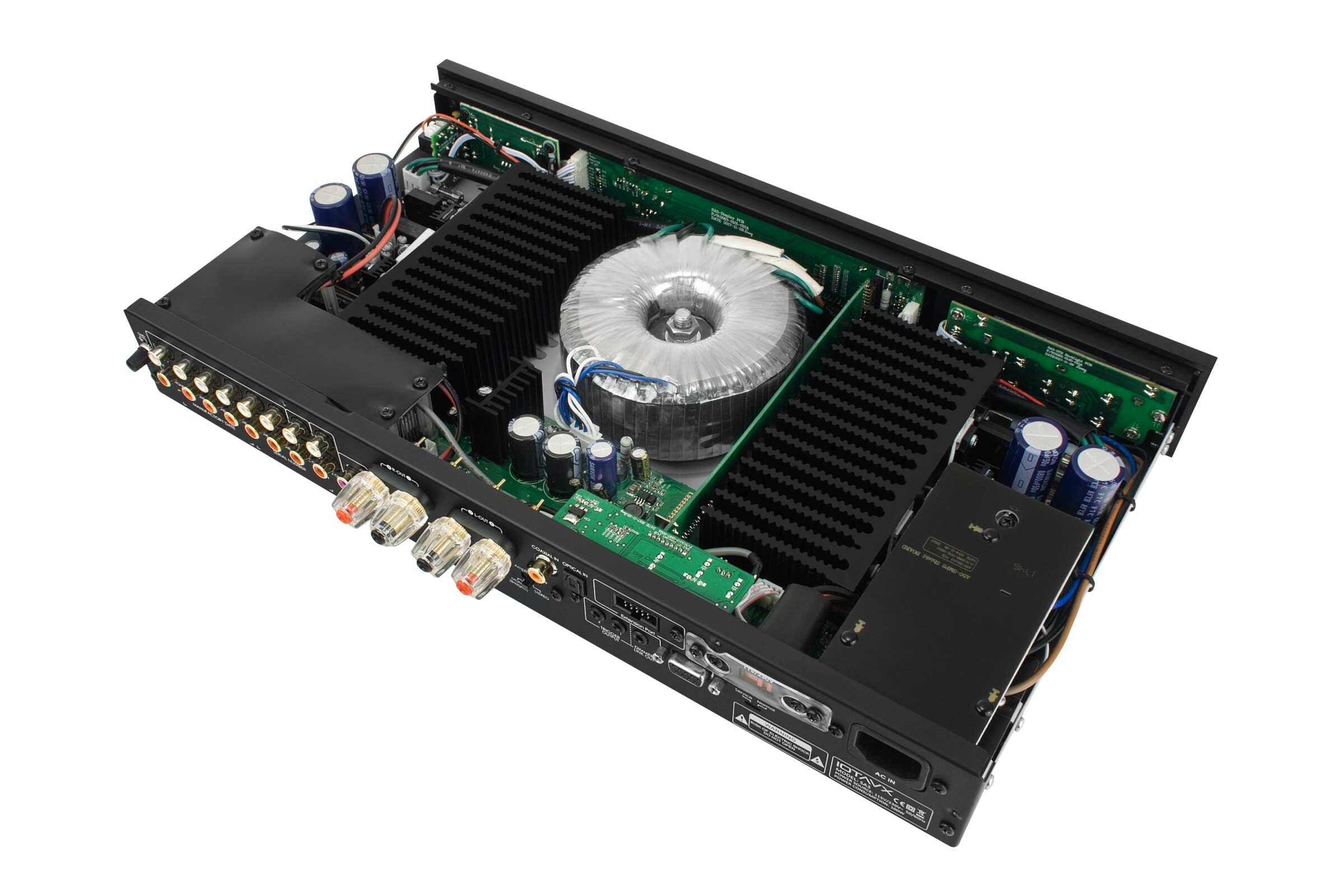
The IOTAVX amplifiers utilize proven Class AB circuits, with well-sized linear power supplies—in the case of the two products under review, delivering about 50 watts into an 8-ohm load. However, the stroke of genius, in my opinion, is the complete integration of the two electronic units, which—for essentially double the cost—allows you to double the available power, since the IOTAVX SA3 integrated amplifier features a preamp output capable of driving the power amplifier, which, of course, is identical to the power stage of the integrated amplifier. The two units can be set up in mono, with each driving a separate channel, or alternatively, they can be set to stereo mode for passive bi-amping (or active bi-amping if, of course, you have an electronic crossover). Personally, I recommend using them in mono mode; this will give you a substantial doubling of power and a tangible improvement in sound quality, which we’ll discuss shortly.
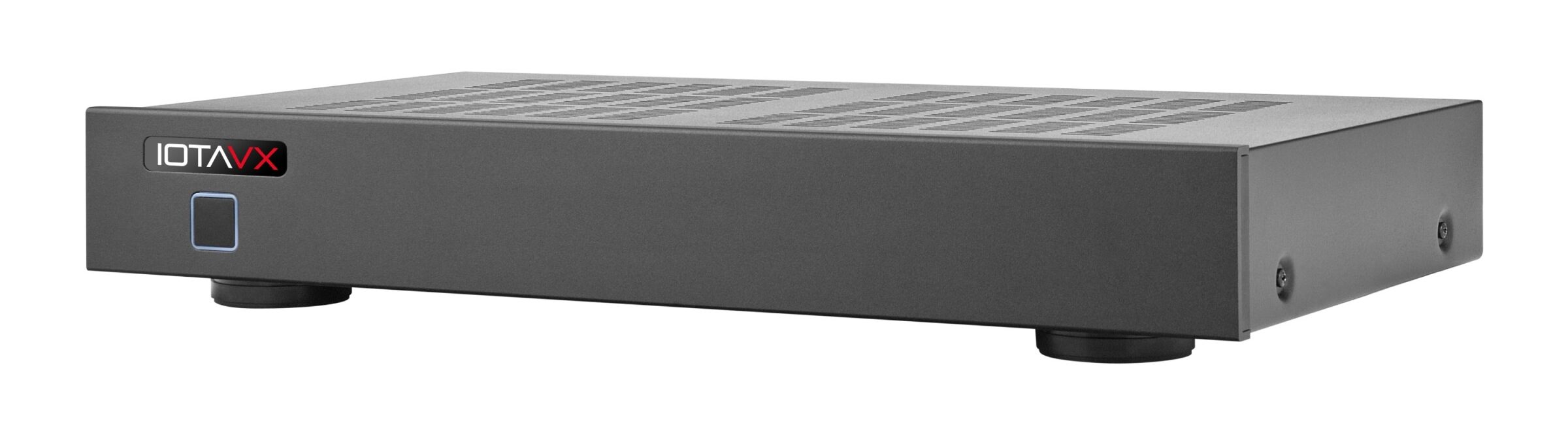
It’s worth noting the inclusion of an MM phono stage and a coaxial digital input, as the SA3 features a Wolfson DAC; unfortunately, it lacks a USB input, though the tone controls are a welcome addition. Finally, an optional Bluetooth module can be added, allowing for wireless playback from a smartphone or tablet.
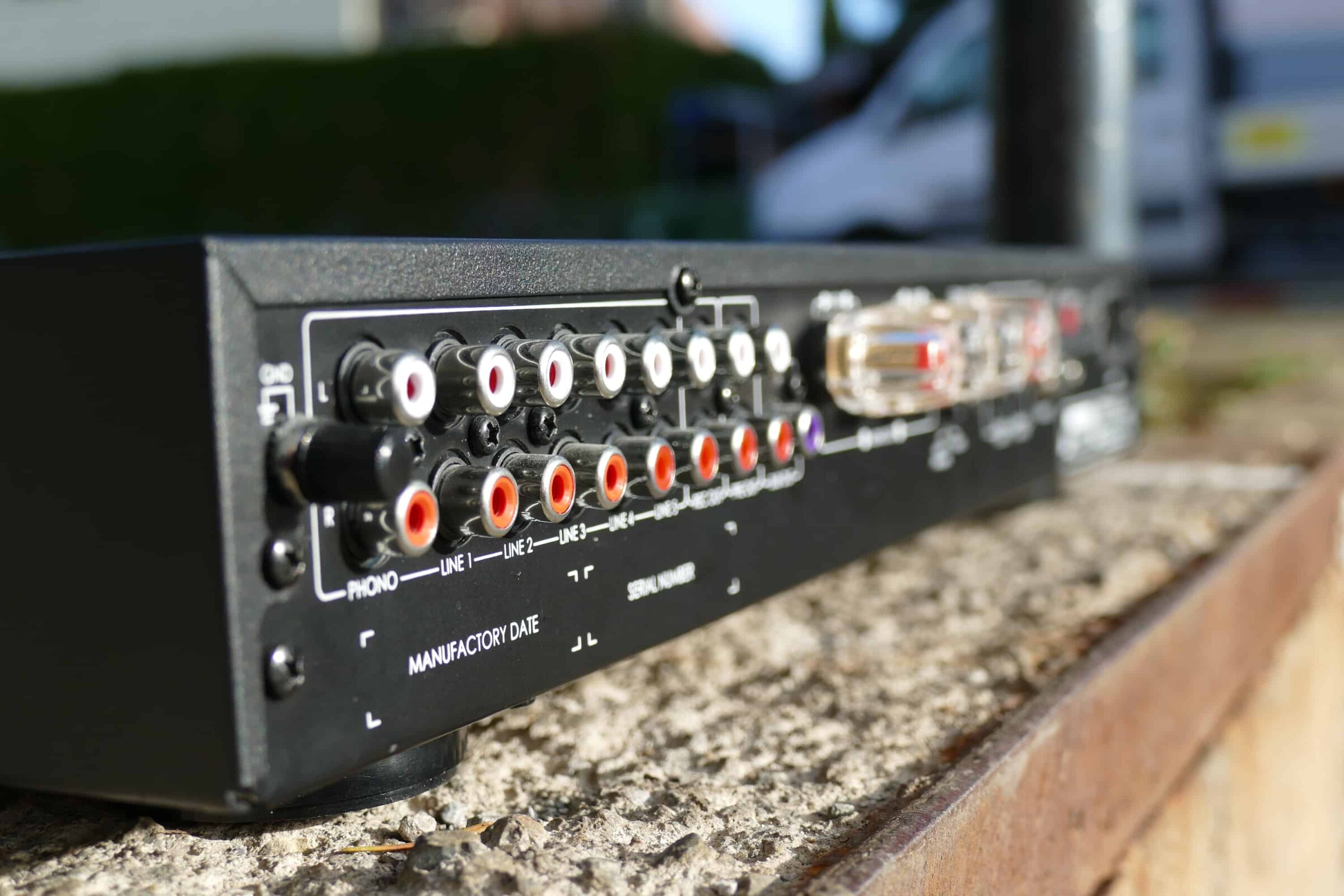
The craftsmanship struck me as well above the asking price, reflecting a certain attention to detail that is based—above all—on substance. In fact, at first glance, the two items seem to be priced at least twice as much.
LISTENING (IOTAVX SA3)
The listening test began with the integrated amplifier, followed by the power amplifier. Initially, it drove my Triangle Stella ES speakers, a delightful, high-quality two-way French speaker, and was then tested with the Klipsch La Scala 2s, which, while not requiring massive power to perform at their best, do demand a high-performance amplifier and are utterly unforgiving of any shortcomings in the upstream components. The sound of the IOTAVX reminded me—and I mean this as a compliment—of certain Naim amplifiers, a brand I think everyone knows for embodying a neutral sound that’s never over the top: the classic English sound, coupled with excellent dynamic range. In fact, from the very first notes, there’s an air of composure—one of restraint and elegance—without any fanfare or sonic pandering.
Since we’re in the middle of the European Track and Field Championships as I write this, I’d compare this amplifier to an excellent decathlete—one who, as such, can do everything well without excelling in any single event. Whether you put a javelin in his hand, a shot put, or have him run the 1.5-kilometer race on the track, he does it all—obviously without matching the performance of true specialists, but we’re still talking about a podium-caliber athlete. So the sound produced by this IOTAVX SA3 is well-rounded but doesn’t excel in any particular area, which results in a musical performance without any obvious flaws—and I’d say it’s very mature. In essence, it’s an amp you can listen to for hours on end without any annoyance. The detail and transparency aren’t mind-blowing, but they’re sufficient to let you hear everything contained in the track, without artificial embellishments, and the musical texture is smoothed out just enough to give you a true sense of the instrument, complete with its harmonics. We’re definitely a far cry from certain Chinese amplifiers that make detail their strong suit, though often at the expense of musicality and sonic realism, resulting in a somewhat artificial sound.
Thus, the IOTAVX SA3 stands as a direct descendant of that very British sonic philosophy, which makes fluidity and neutrality its hallmarks, maintaining a balance that is never compromised by any exaggeration—a quality that always makes listening a pleasure. I won’t dwell on individual tonal characteristics—all frequency ranges offer clean, undistorted sound—but discussing them would distract from the uniformity of this amplifier’s sound, which is its greatest strength. I’d just like to note that the bass is sufficiently deep and powerful, but above all, well-articulated and dynamic.
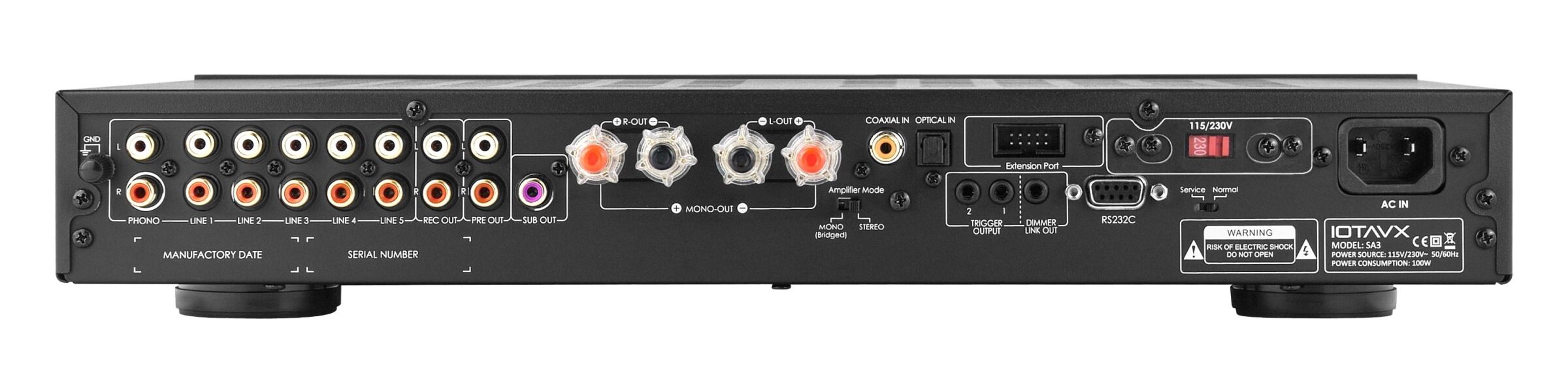
The phono input, as well as the built-in DAC, turned out to be rather basic, and we should view them primarily as an initial option available to the customer; later on, if interested in better performance, the customer can opt for separate components. Now, if it cost 1,000 euros, I’d say it’s an excellent choice and absolutely in line with what we can expect from an amplifier in this price range, but since it costs 500, I’d definitely say it has very few competitors—and of those I’ve heard, none boasts such a convincing balance.
LISTENING SESSION 2: IOTAVX SA3 and PA3
If you dig out another 400€ or so from your wallet—bringing your total spending well below 1,000€—you can pair the integrated amp with the IOTAVX PA3 power amp. Well, make a few sacrifices, set aside a little something each month, but… do it. This combination proves to be an absolute winner and thoroughly convincing in every respect.
When set to mono mode, the two electronic components take the sound to a whole new level and elevate the system’s performance to a much higher class. The sound gains depth and dynamics, and the measured pace of the music we heard with just the integrated amplifier gives way to a more nuanced and focused reproduction. Everything—and I mean everything—improves significantly, and the tracks initially listened to with just the ITAVX SA3 come to life in a different way—certainly more fully realized—with a tangible and easily perceptible leap in quality.
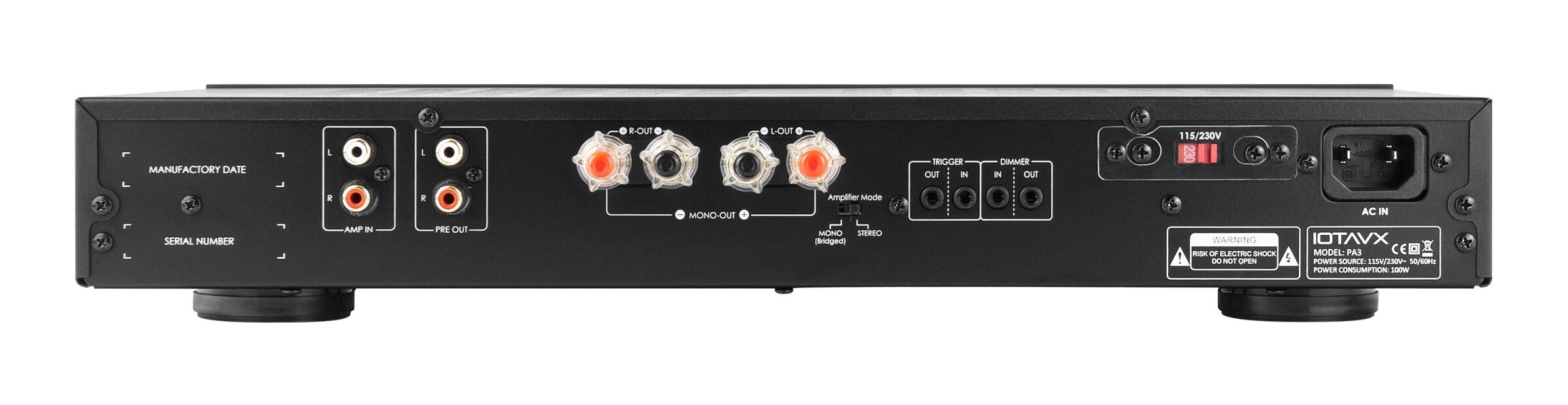
It is not just the increase in available power that matters in this case, even though it allows the amplifier to drive the speaker at medium-to-high levels with a certain margin without any difficulty—as might have been the case with the integrated amplifier alone— but the quality of the reproduction benefits above all in terms of dynamic contrast, while respecting the tonal character, which remains very consistent; above all, there is a greater impact from the lower frequencies, which are certainly more powerful but also more extended. The soundstage, which tended to collapse at high listening levels, now remains solid and convincing—proof that the extra watts really do make a difference, even with the Klipsch speakers.
Essentially, the sound of the integrated amplifier alone is significantly “enriched,” though its distinctive characteristics remain intact and unaltered; it is the same sound, but expressed in a more assertive and vibrant manner. The leap in class achieved by pairing the two components makes the price-to-performance ratio even more striking, placing this combination among mid-range amplifiers while maintaining a very affordable price. In short, we’re now dealing with a decathlete who wins the gold medal; while unable to compete with the top specialists, he’s capable of performing excellently in every discipline, with no obvious weaknesses.
I must say that I’m delighted to see products that offer users such high-quality sound at a price that’s absolutely within most people’s reach, especially in an era like the present one, where pricing “common sense” seems to have gone off the rails. The integrated amp alone can be an excellent starting point, one that might attract buyers disappointed by the latest “Chinese knockoff of the month,” (of course, I greatly appreciate certain Asian products that can introduce many enthusiasts to true Hi-Fi at a fraction of the cost) by providing them with a solid starting point, because the SA3 sounds exactly as an amplifier should.
With the adoption of the PA3, it will be possible—even at a later stage—to make that leap in quality that we all feel the need for sooner or later, reaching a level that, for some enthusiasts, may be the ultimate one—and to go beyond that, one will have to dig deep into their wallet.
IOTAVX SA3 and PA3: Conclusions
A very down-to-earth amplification. It may not impress you at first, but it certainly won’t wear you out, and it will add a touch of pleasure to your music, making every listening experience enjoyable. In this sense, the IOTAVX SA3 and PA3 are, metaphorically speaking, among the most accessible amplifiers available today, while still representing a serious approach to true “Hi-Fi for everyone.”
Paolo Di Marcoberardino
Specified Technical Data
SA3 Amplifier
Continuous Power Output (Stereo): 45 Watts x 2CH (20 Hz – 20 kHz, <0.07%, 8 Ω)
: 90 Watts x 2CH (20 Hz – 20 kHz, <0.07%, 4 Ω)
Continuous Power Output (Mono/Bridged): 100 Watts x 1CH (20 Hz – 20 kHz, <0.07%, 8 Ω) 180 Watts x 1CH (20 Hz – 20 kHz, <0.07%, 4 Ω)
Total Harmonic Distortion: < 0.02% @ 1 kHz
Frequency Response: 20 Hz – 100 kHz
Input Sensitivity – Line Inputs: 200 mV
Input Sensitivity – Phono Input: 2.5 mV
Input Overload – Line Inputs: 4V
Signal-to-Noise Ratio (IHF “A”): > 100 dB
Channel Separation – Line Inputs: > 80 dB
Standby Power Consumption: < 0.5W
Power Requirements – AC: AC 230 V / 50 Hz, AC 115 V / 60 Hz (SELECTABLE)
Power Consumption: 220 W Maximum
Dimensions – Main Unit: 432 mm x 240 mm x 59 mm (W x D x H)
Weight – Main Unit: 6.5 kg
PA3 Power Amplifier
Continuous Power Output (Stereo): 45 Watts x 2CH (20 Hz – 20 kHz, <0.07%, 8 Ω)
: 70 Watts x 2CH (20 Hz – 20 kHz, <0.07%, 4 Ω)
Continuous Power Output (Mono/Bridged): 100 Watts x 1CH (20 Hz – 20 kHz, <0.07%, 8 Ω) 140 Watts x 1CH (20 Hz – 20 kHz, <0.07%, 4 Ω)
Total Harmonic Distortion: < 0.02% @ 1 kHz
Frequency Response: 20 Hz – 100 kHz
Input Sensitivity – Line Inputs: 200 mV
Input Sensitivity – Phono Input: 2.5 mV
Input Overload – Line Inputs: 4V
Signal-to-Noise Ratio (IHF “A”): > 100 dB
Channel Separation – Line Inputs: > 80 dB
Standby Power Consumption: < 0.5W
Power Requirements – AC: AC 230 V / 50 Hz, AC 115 V / 60 Hz (SELECTABLE)
Power Consumption: 220 W Maximum
Dimensions – Main Unit: 432 mm x 240 mm x 59 mm (W x D x H)
Weight – Main Unit: 6.5 kg
Distributor for Italy: Audio Video s.a.s., Largo Cesare Campana No. 2 (FFSS Station), Mondovì 12084 (CUNEO), ITALY, Tel. 0174 670100




GIPHY App Key not set. Please check settings