



 Audio 2G
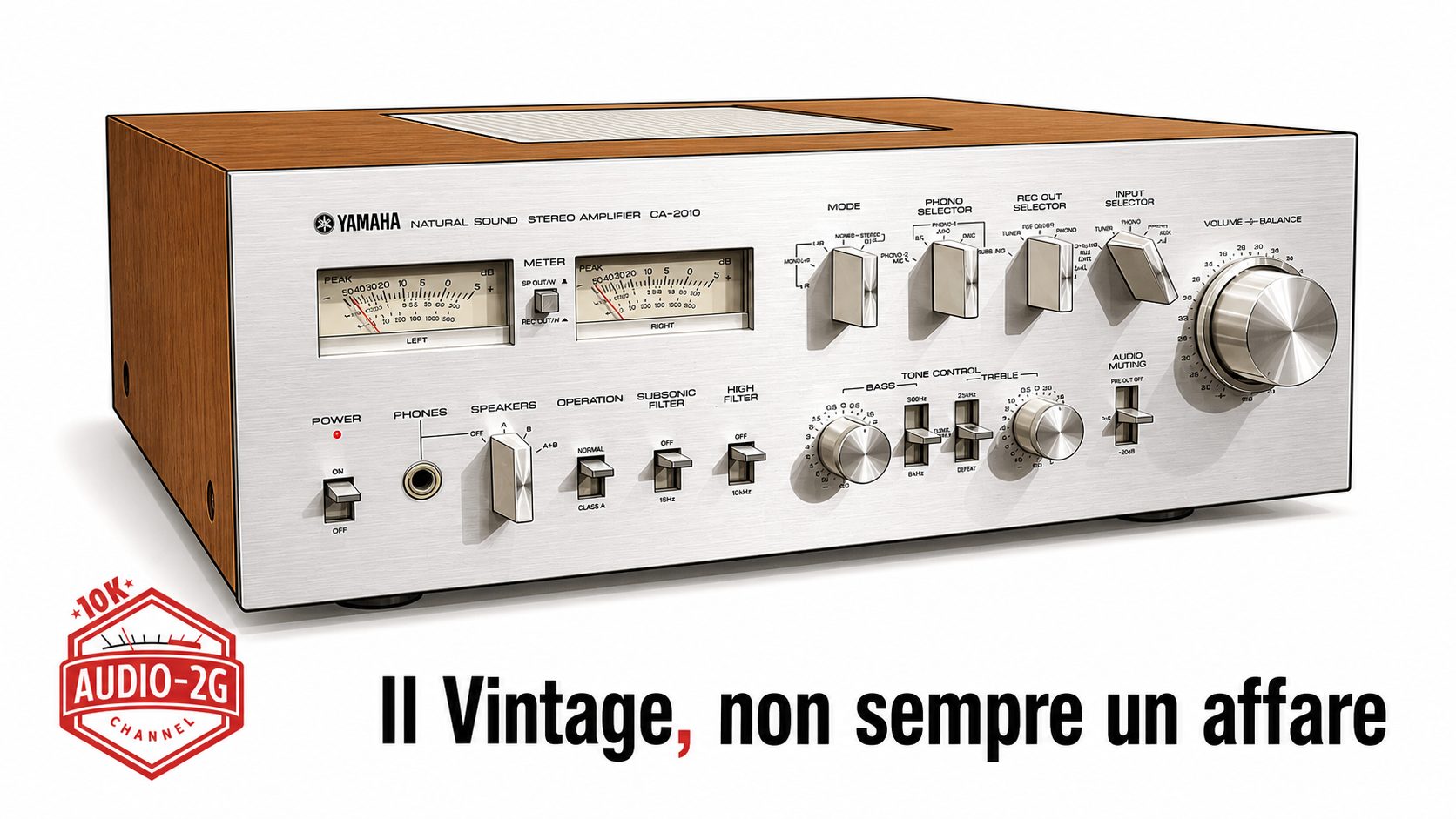
In the world of high-fidelity audio, the word “vintage” holds a powerful allure. It evokes large brushed-aluminum front panels, turned knobs, real wood, components built to last, and a sense of quality that many enthusiasts contrast with contemporary production. It also evokes an era in which the stereo system held an important place in the home and, above all, in the daily lives of music lovers. However, when you move from admiration to purchase, vintage is a much more complex reality. A piece of equipment may be beautiful, rare, and historically significant, but that doesn’t necessarily mean it’s affordable to buy, easy to repair, or possible to keep it running efficiently over the years. The most important distinction to make concerns the very nature of the object. An amplifier, a power amplifier, or a traditional preamplifier is, in most cases, much easier to restore than a loudspeaker. The situation becomes even more delicate when mechanical, optical, or electromechanical parts come into play: cassette decks, reel-to-reel tape recorders, turntables, and CD players may rely on replacement parts that are now rare, expensive, or simply impossible to find. The real question, therefore, is not merely how desirable a vintage component is. One must ask how repairable it actually is, which parts can be replaced, and how long it will be possible to maintain its original performance.
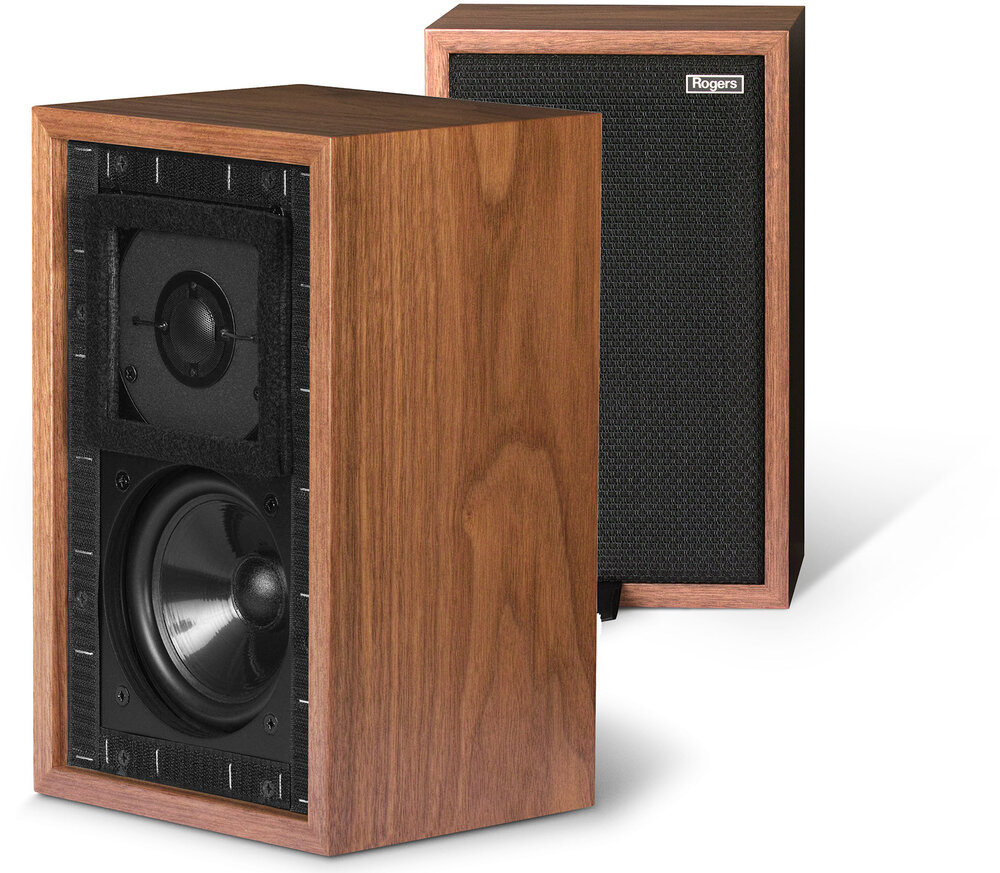
The vintage speaker: seemingly simple, but actually very delicate
At first glance, a loudspeaker seems like a relatively simple object. A cabinet, two or more speakers, a crossover network, and a few terminals: compared to an amplifier, packed with circuits and electronic components, the loudspeaker may even appear rudimentary. This simplicity, however, is deceptive. A speaker is a system in which every element is closely interrelated. The cabinet, the internal volume, the sound-absorbing material, the bass reflex port, the crossover, and the individual drivers have all been designed to work together. Replacing even a single part with a component that isn’t a perfect match can substantially alter the sound quality. This is precisely the main problem with vintage speakers: when a speaker is beyond repair, finding a truly identical replacement can be very difficult. It is not enough to install a woofer of the same diameter or a tweeter that fits into the existing hole in the panel. The external dimensions are only a small part of the problem. A speaker is characterized by numerous parameters: sensitivity, nominal and actual impedance, impedance response over frequency, resonance frequency, moving mass, suspension compliance, force factor, excursion capacity, and off-axis behavior. Added to these are the frequency response, dispersion, and how the driver interfaces with the other components of the system. A modern woofer that looks similar to the original may require a different loading volume, be poorly matched to the existing reflex port, or have a sensitivity incompatible with that of the midrange driver and tweeter. A new tweeter might have a broader frequency response but also a different impedance at the crossover point, causing problems for the original crossover network. Even a replacement that appears to be an improvement can therefore transform the speaker into something completely different from the original design.
An original replacement part isn't always the best solution
The ideal situation would be to find an original component, perhaps from a pair used as a donor. Even this possibility, however, must be evaluated with caution. An original speaker manufactured forty or fifty years ago is likely to be the same age as the one it is meant to replace. It might still have an intact diaphragm, but it could have a partially damaged voice coil, a warped centering ring, hardened suspensions, or a magnet that has lost some of its properties. It might also come from a speaker that has been exposed for years to humidity, high temperatures, sunlight, smoke, or excessive stress. The presence of the correct brand name and the same part number does not automatically guarantee perfect condition. Then there is the issue of manufacturing variations. Over the course of a model’s production run, the manufacturer might have modified a component, switched suppliers, or made minor revisions without changing the speaker’s name. Two speakers that look identical may therefore not be perfectly interchangeable. Furthermore, the secondhand market doesn’t always help. The most sought-after replacement parts can reach disproportionately high prices, especially when they pertain to speakers that have become collector’s items. There is no shortage of poorly repaired units, rebuilt with non-original materials, or assembled using parts from different versions. The risk is paying a high price for a component that, once installed, still fails to restore symmetry between the two channels.
Foam, suspension, and re-cording: Repair without altering the original character
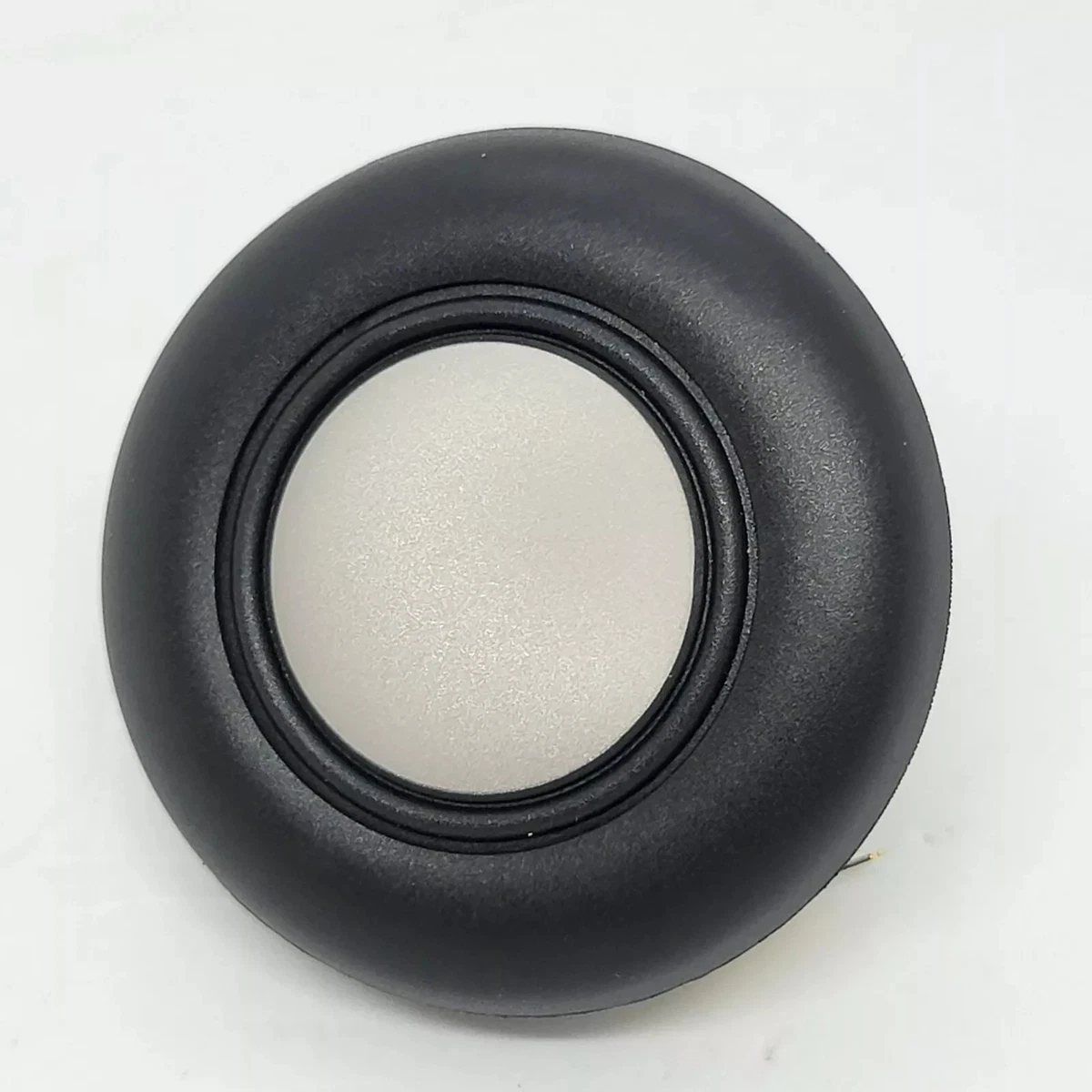
One of the most common repairs on vintage speakers is replacing the woofer’s outer suspension. Many polyurethane foam suspensions—commonly referred to as “foam”—tend to degrade over time. The material cracks, loses its elasticity, and eventually crumbles. The so-called “refoam” can restore the speaker to full functionality, but it is not merely a cosmetic procedure. The surround is part of the moving assembly’s suspension system. Its shape, weight, compliance, and the material from which it is made all contribute to the speaker’s performance. A surround that is too stiff can raise the resonance frequency and alter the low-frequency response. A suspension that is too heavy can reduce sensitivity. An incorrect geometric profile can limit excursion or introduce undesirable behavior. The adhesive and the precision of the centering are also important. A job done well therefore requires the correct replacement part and a technician who is familiar with the specific unit. It is not enough for the new surround to have a compatible diameter. Reconing is even more critical, as it may involve replacing the cone, voice coil, centering ring, and surround. If the kit is not original or does not faithfully replicate the mass, stiffness, and geometry of the original component, the speaker may work again but will not necessarily be the same speaker from an acoustic standpoint. In some cases, however, this is still the most rational choice. A rare speaker may be worth restoring even when it is not possible to achieve absolute conformity with the original. It is important, however, to be aware of the difference between repairing an object and restoring it in accordance with the original design.
Tweeters and midrange drivers: the real weak point
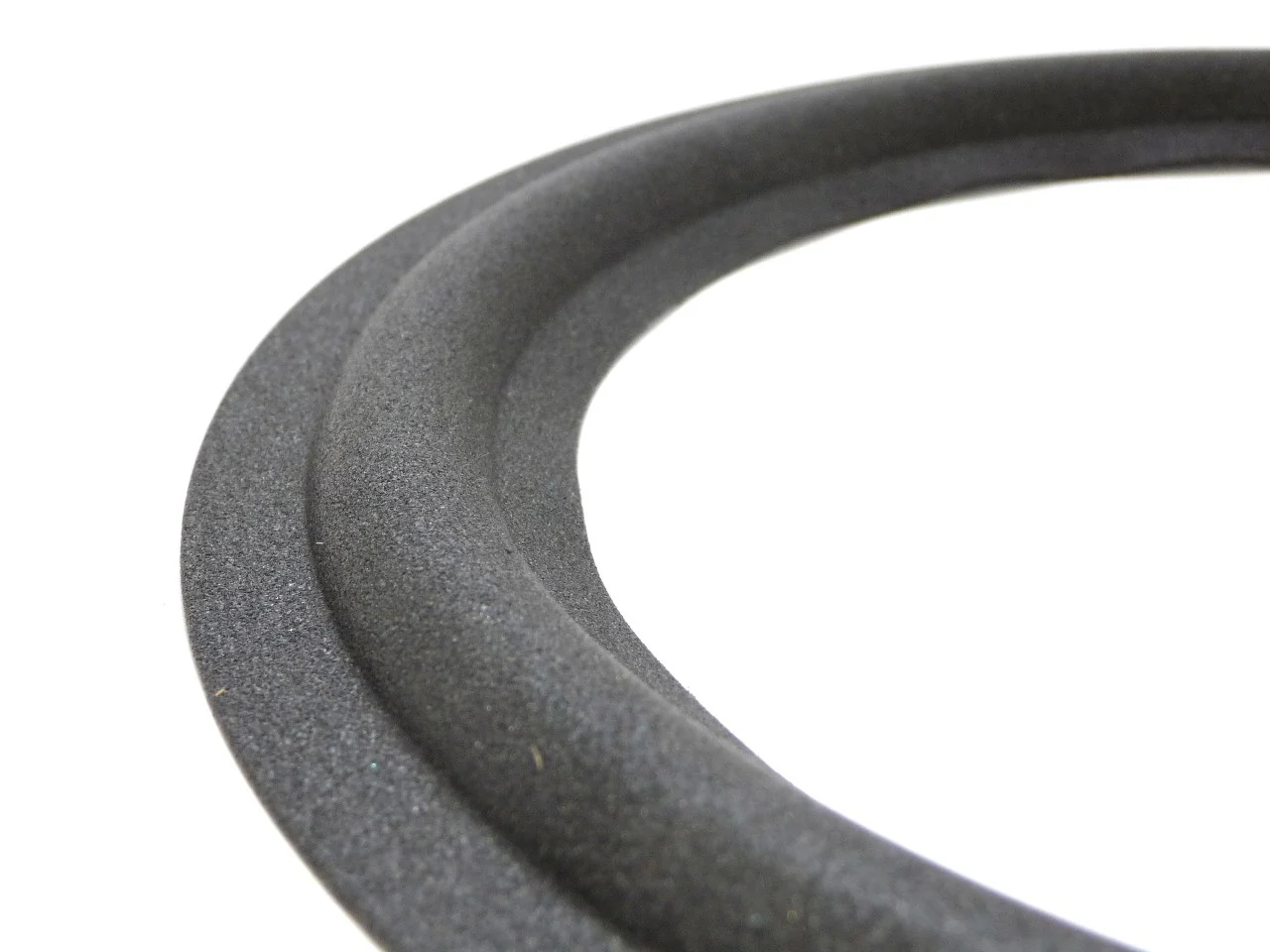
While many woofers can be restored by replacing the suspension or having them professionally re-wound, tweeters and midrange drivers can pose very serious problems. The domes may be deformed or contaminated. The ferrofluids in the air gap of some tweeters can dry out or change viscosity. The thin wires of the voice coils can break, while specialized diaphragms, lightweight membranes, or proprietary materials may be impossible to replicate. The problem becomes even more serious with less common technologies: ribbon speakers, isodynamic speakers, electrostatic speakers, specialized piezoelectric units, compression drivers with diaphragms no longer in production, or transducers designed specifically for a single model. In these cases, a generically compatible replacement may get the speaker cabinet producing sound again, but it is unlikely to preserve its original sound signature. The crossover network was designed with the electrical and acoustic characteristics of that specific unit in mind. By replacing the transducer, the crossover filter would need to be redesigned—at least in part—and the result verified through reliable measurements. At that point, it is no longer a matter of simple maintenance. You are creating a new design within an antique cabinet.
The crossover is getting old, but it can often be restored
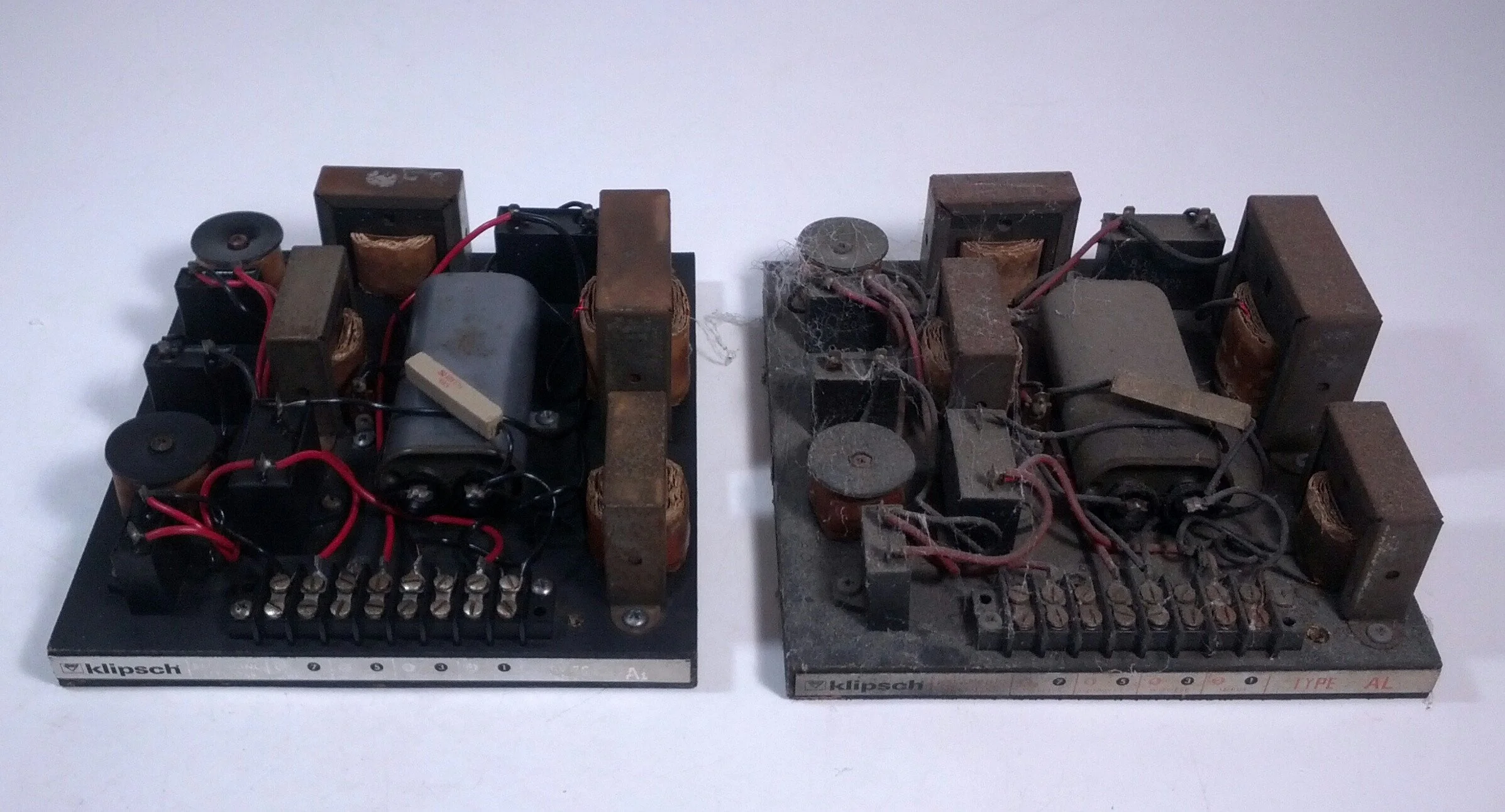
Compared to the speakers, the crossover filter offers more opportunities for modification. Capacitors, resistors, inductors, wiring, and terminals are generally straightforward components and, at least in theory, replaceable. Electrolytic capacitors can lose capacitance, develop higher internal resistance, or fall outside their specified tolerances. Contacts, level-adjustment knobs, and terminals can become oxidized. Some resistors may show signs of overheating, while solder joints and connections can deteriorate. However, it is necessary to avoid indiscriminate “recapping,” carried out on the assumption that any modern, expensive component automatically represents an improvement—not least because, in that case, the restoration would not be historically accurate or faithful to the original sound. In a loudspeaker’s crossover, the series resistance and the actual characteristics of the capacitors can contribute to the overall result. Replacing an old electrolytic capacitor with a component based on completely different technology—without measuring the circuit and without understanding its function—can alter the relative level of a channel or the crossover’s response. The goal of a serious restoration should be to restore proper functioning, not to accumulate exotic components. First, you measure; then you determine what needs to be replaced. Whenever possible, retain inductors and original parts that are still functional, and select replacement parts that are consistent in value, tolerance, and electrical behavior.
Why amplifiers, power amplifiers, and preamplifiers are often a safer choice
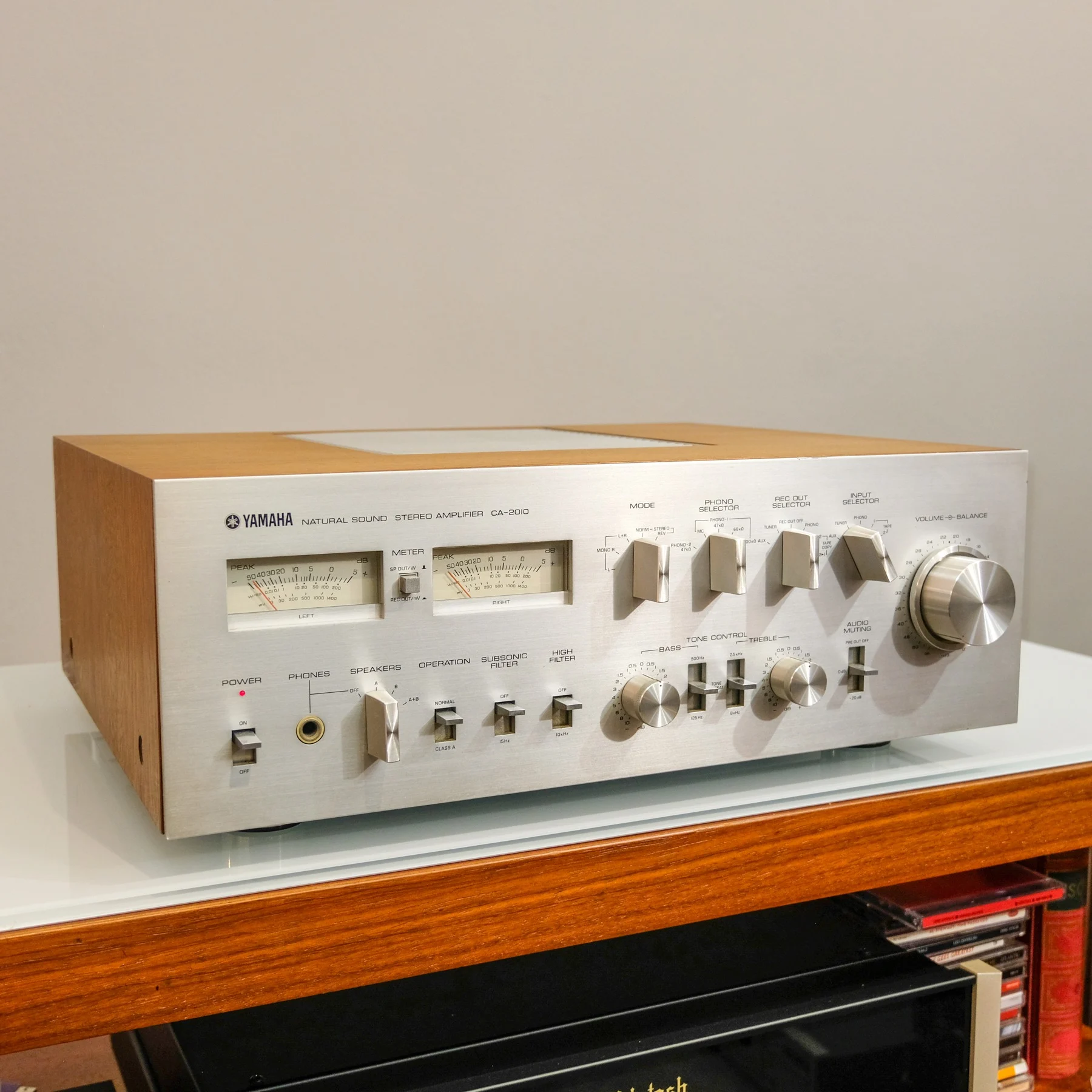
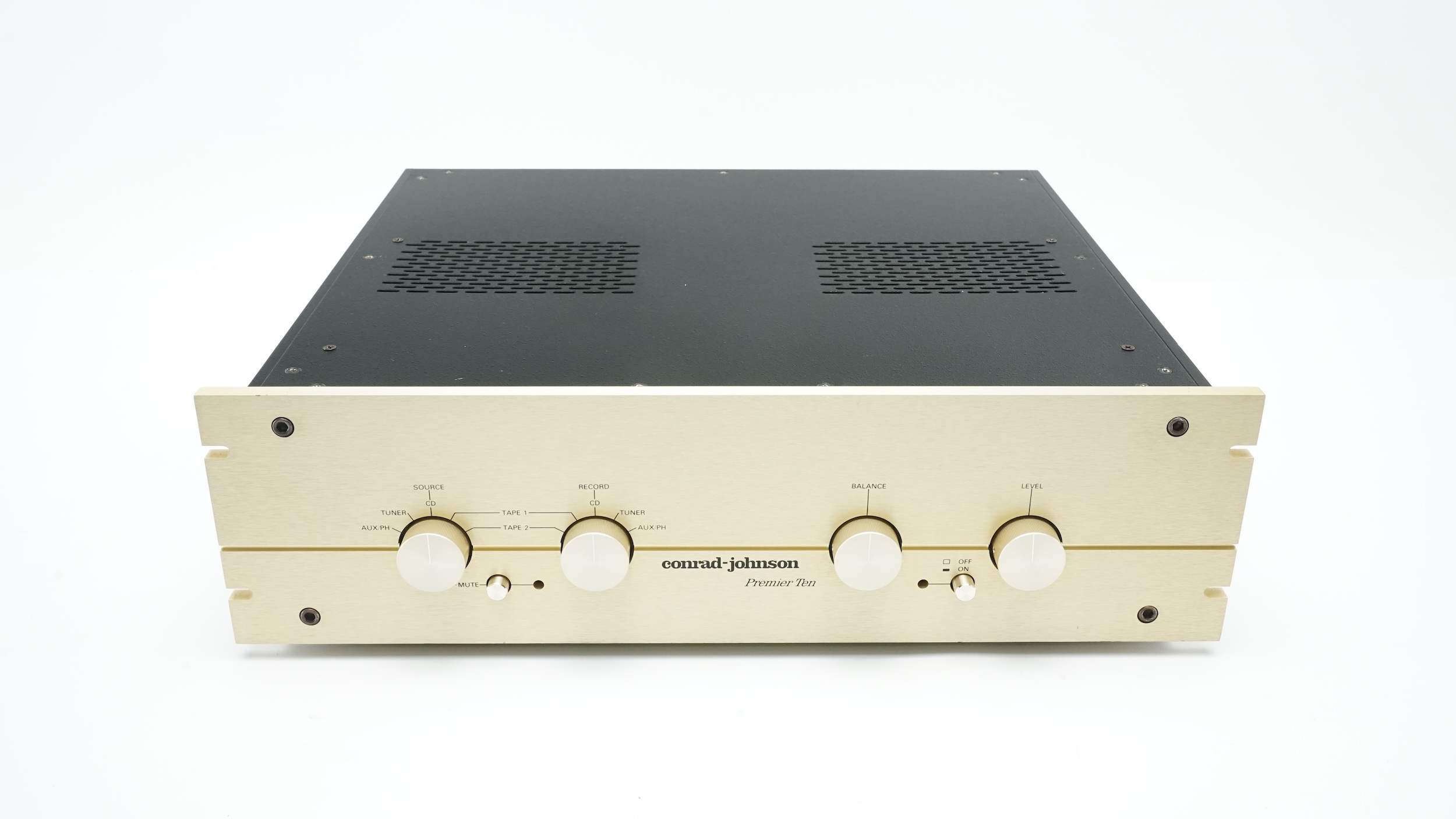
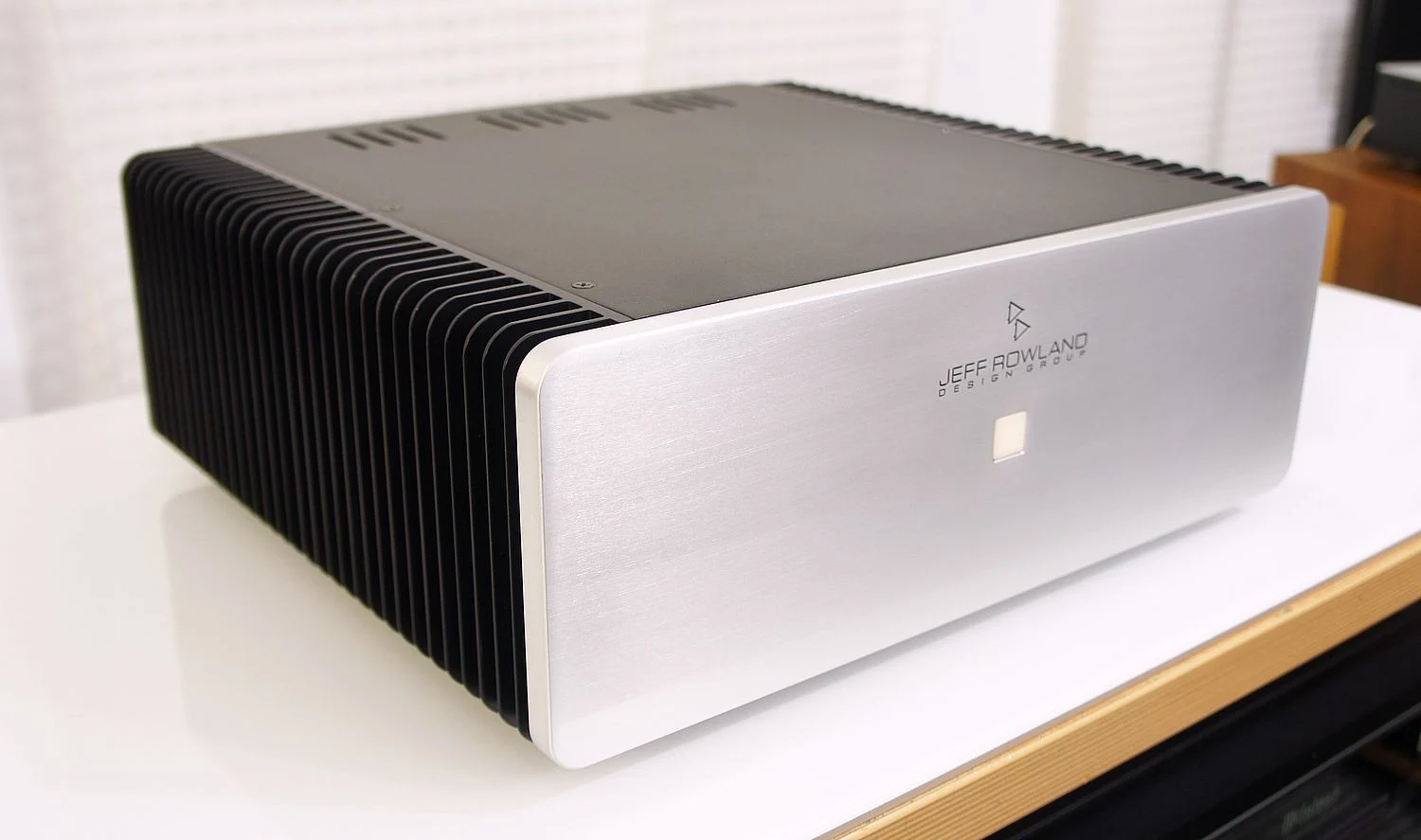
The situation is generally more favorable for integrated amplifiers, power amplifiers, and analog preamplifiers. These devices contain many components subject to aging: electrolytic capacitors, trimmers, relays, potentiometers, selectors, light bulbs, diodes, transistors, and resistors. However, a significant portion of these components can be replaced with modern equivalents. An electrolytic capacitor does not necessarily have to be of the same brand as the one originally installed. It must have the capacitance, operating voltage, tolerances, internal resistance, dimensions, and thermal characteristics suitable for the circuit. The same principle applies to many resistors, diodes, and small passive components. Even when a transistor is no longer manufactured, it is often possible to find a modern replacement with compatible or superior characteristics. This process requires expertise: simply comparing the maximum voltage or rated power is not enough. One must consider polarity, pinout, gain, transition frequency, internal capacitance, safe operating area, thermal behavior, and circuit stability. But the possibility of adaptation exists, and it is much broader than that offered by a proprietary, irreparable loudspeaker. A well-designed power amplifier, accompanied by a schematic diagram and entrusted to an expert technician, can often be restored to excellent condition even many decades after production. It may be necessary to replace the main capacitors, check the power supply, verify the quiescent current, adjust the offset, clean or replace the relays, and renew the thermal paste. These are significant tasks, but generally manageable.
The Importance of Patterns and Traditional Construction
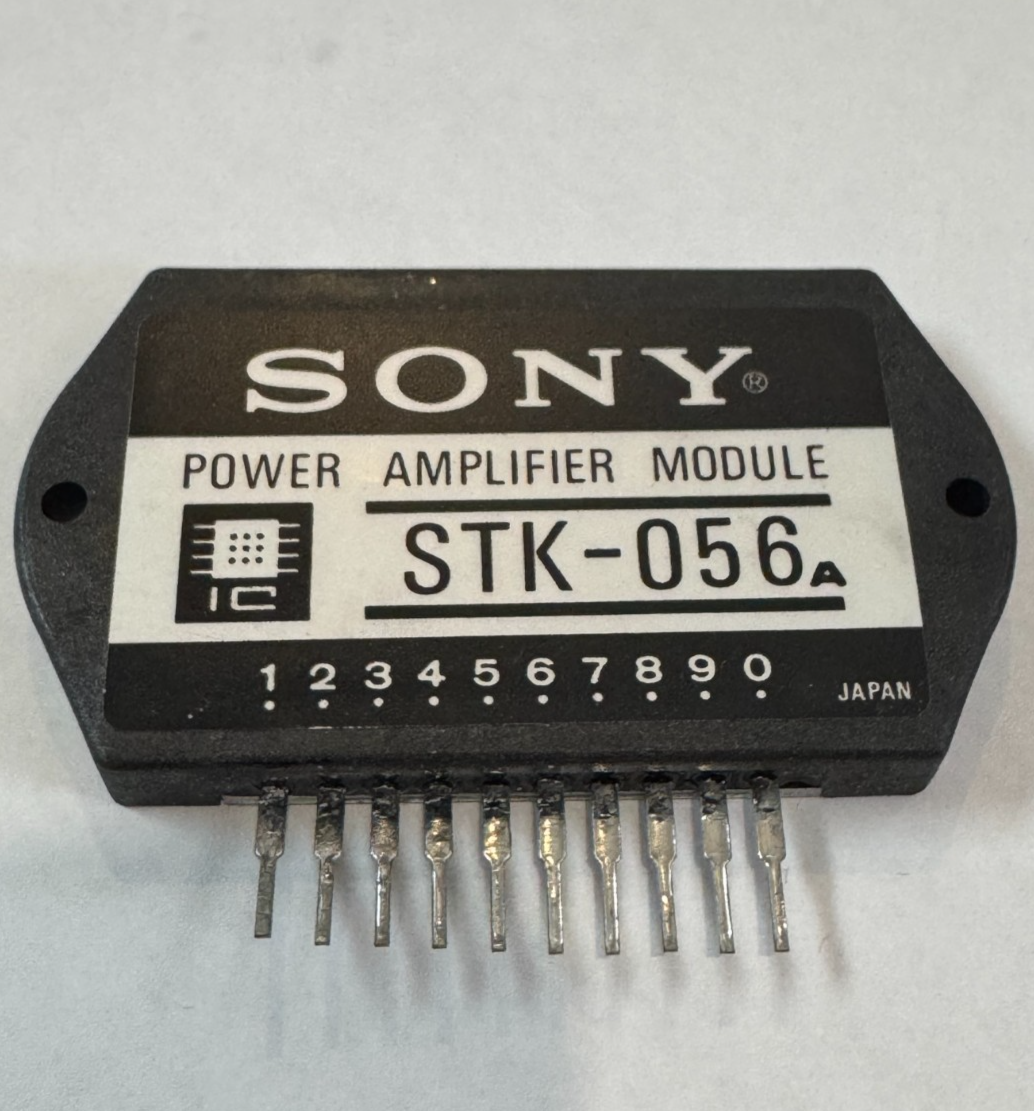
The repairability of vintage electronics depends heavily on the availability of technical documentation. A legible schematic, accompanied by reference voltages and calibration procedures, can make the difference between a precise repair and a lengthy trial-and-error process. Devices built with discrete components and relatively conventional circuits are often the best candidates. Their operating logic can be reconstructed, faults can be isolated, and many components can be replaced. This does not mean that every vintage amplifier is easy to repair. Some use hybrid modules that are no longer in production, proprietary integrated circuits, selected transistors, special transformers, or switches built specifically for that model. A burned-out power transformer or a very complex mechanical selector switch can turn into costly problems. The rule, however, remains true: in traditional analog electronics, there is often room for design intervention. A skilled technician can modify the circuit in a controlled manner, build small adapters, pair modern transistors, or recreate a function. With an electroacoustic transducer that is no longer available, the possibilities for achieving the same original behavior are much more limited.
The False Myth of “Retreading” as a Universal Solution
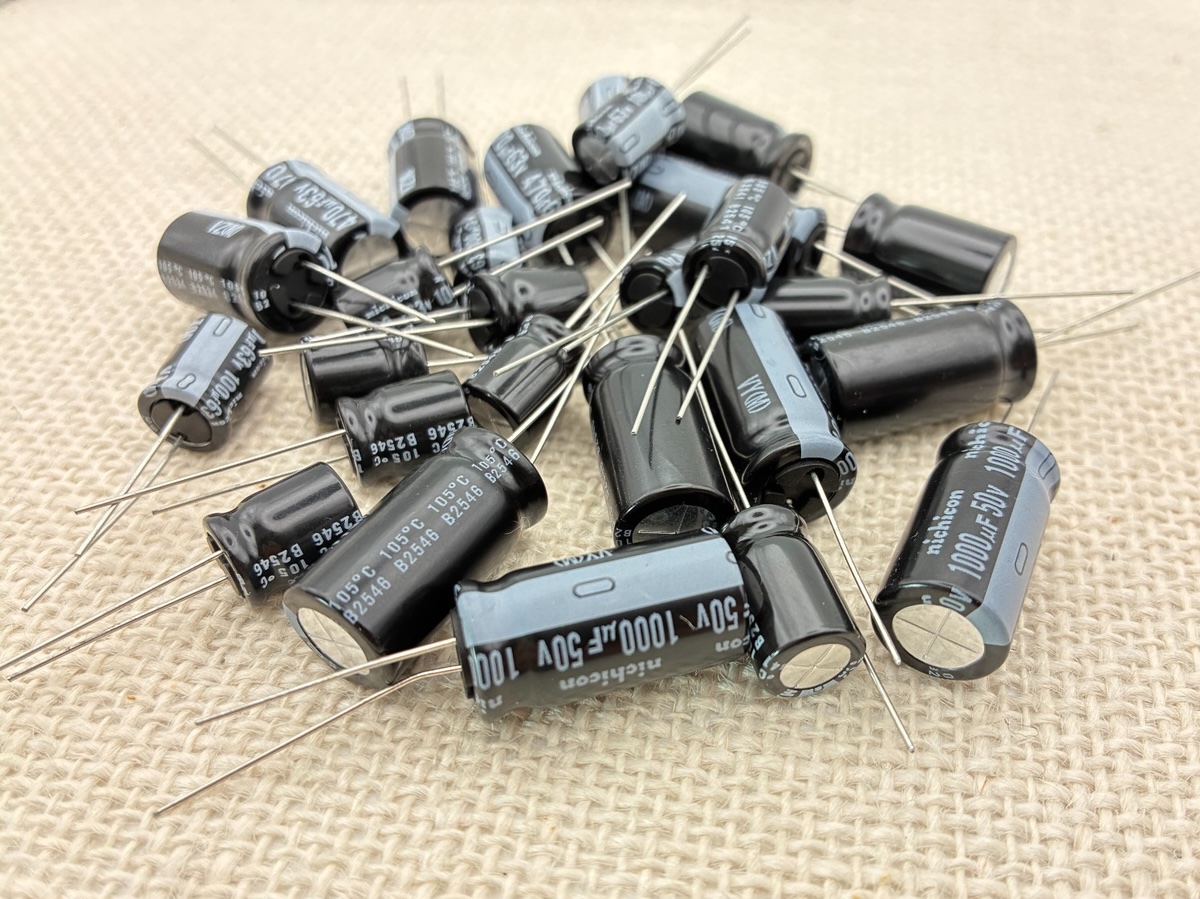
The vintage market has popularized the idea that a fully re-tapped device is necessarily better and more reliable. This is a dangerous oversimplification. Electrolytic capacitors age, but not all of them do so in the same way, and not all of them need to be replaced without first being checked. Extensive repairs also increase the number of re-soldered joints and thus the likelihood of errors, damaged traces, reversed polarity, or incorrect values. Before proceeding, instrumental tests, visual inspection, and an understanding of the circuit are required. It is necessary to identify any components known to become unstable, noisy, or corrosive, verify power supplies and protections, and check thermal behavior. It is also necessary to distinguish restoration from modification. Replacing deteriorated components to restore the device to its specifications is a conservative operation. Changing values, altering the power supply stage, or introducing components chosen to “tune” the sound, on the other hand, constitutes a modification of the design. Both approaches can be legitimate, provided they are clearly stated. In the secondhand market, the phrase “completely refurbished” should be accompanied by a documented description of the work performed, a list of replaced components, and, ideally, measurements taken after the work was completed.
Potentiometers, switches, and special components
Even in electronic devices without complex mechanical parts, there are components that are difficult to find. Potentiometers, first and foremost, as well as multipole selectors, rotary switches, relays with specific pinouts, and displays may be specific to a single model. Cleaning can resolve oxidation and poor contacts, but it cannot repair a worn-out resistive track or a mechanically broken contact. In some cases, the component can be disassembled and restored; in others, you’ll need to find a used one or adapt a different one. Output transistors also require special attention. Unfortunately, the market for discontinued components is rife with counterfeits: cheap devices relabeled with prestigious brand names that are incapable of withstanding the intended operating conditions. For this reason, it is preferable to use modern equivalents from reliable distributors—when the circuit allows it—rather than chasing an “original” component of uncertain origin at any cost. And absolute originality does not always equate to reliability. In a device intended for regular use, a modern replacement—properly designed and documented—may be the most responsible solution.
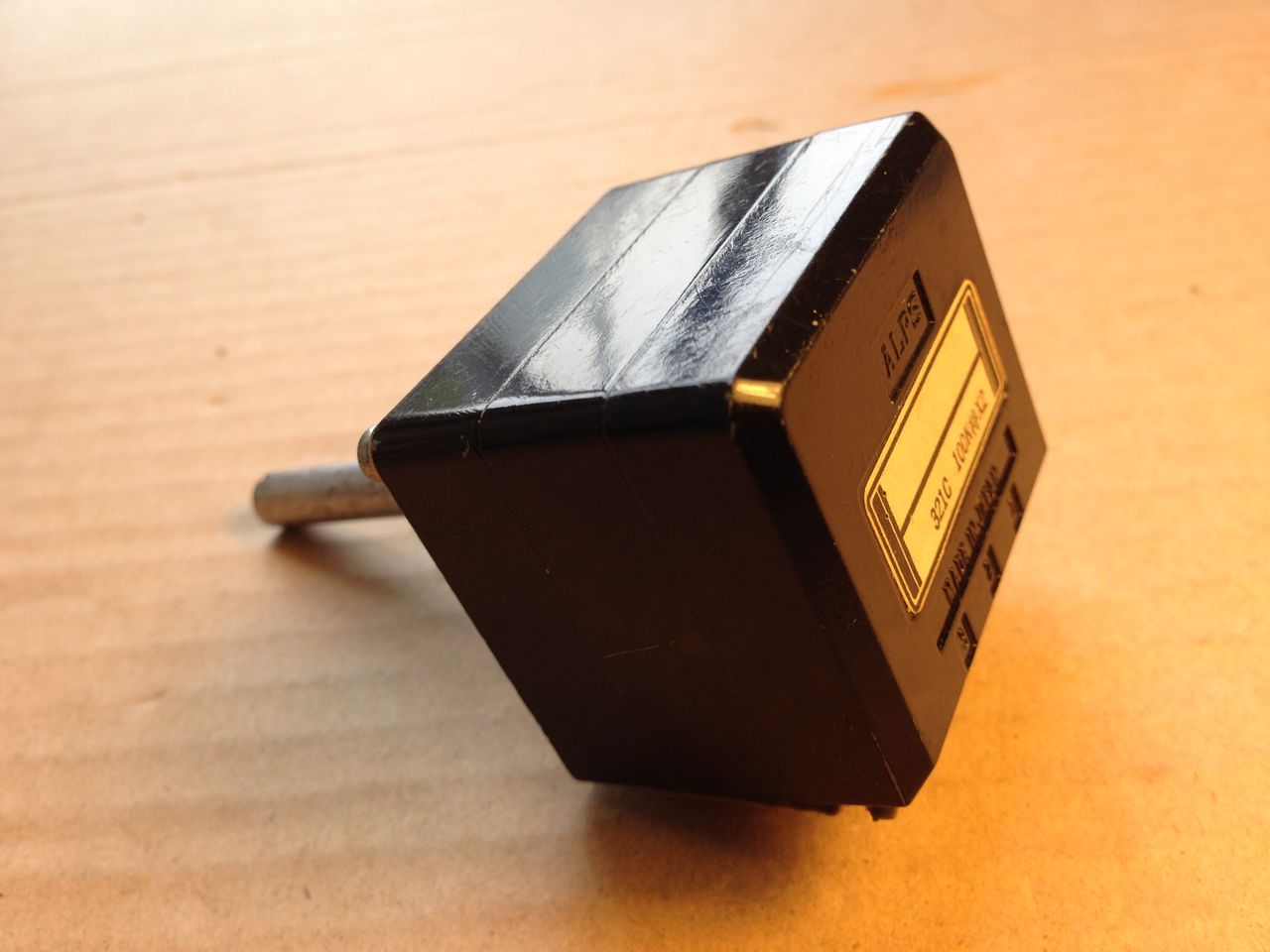
When mechanics come into play, everything changes
The situation becomes considerably more complicated with devices that incorporate mechanical parts. Cassette decks, reel-to-reel tape recorders, CD players, some automatic turntables, and record changers combine electronics with precision mechanics. With these products, it is not enough for the power supply circuit to function and for the electronic components to be available. Operation depends on belts, pulleys, friction wheels, gears, cams, springs, motors, electromagnets, sensors, and molded plastic parts. A belt can be replaced if the correct size and cross-section are found. But a belt is not simply an elastic band: its material, elasticity, thickness, and dimensional accuracy can affect the speed and stability of the drive. Friction wheels can harden or become deformed. Plastic gears can crack. Original lubricants can dry out and turn into sticky residues that hinder movement. Some metal components can oxidize, while springs and linkages can lose their proper adjustment. Mechanical repairs require time, manual skill, documentation, and replacement parts that are often no longer available. In some cases, it is possible to rebuild a gear using modern technologies, but dimensional accuracy, strength, elasticity, and noise levels must be suitable for the application. Not everything that can be reproduced can be used successfully.
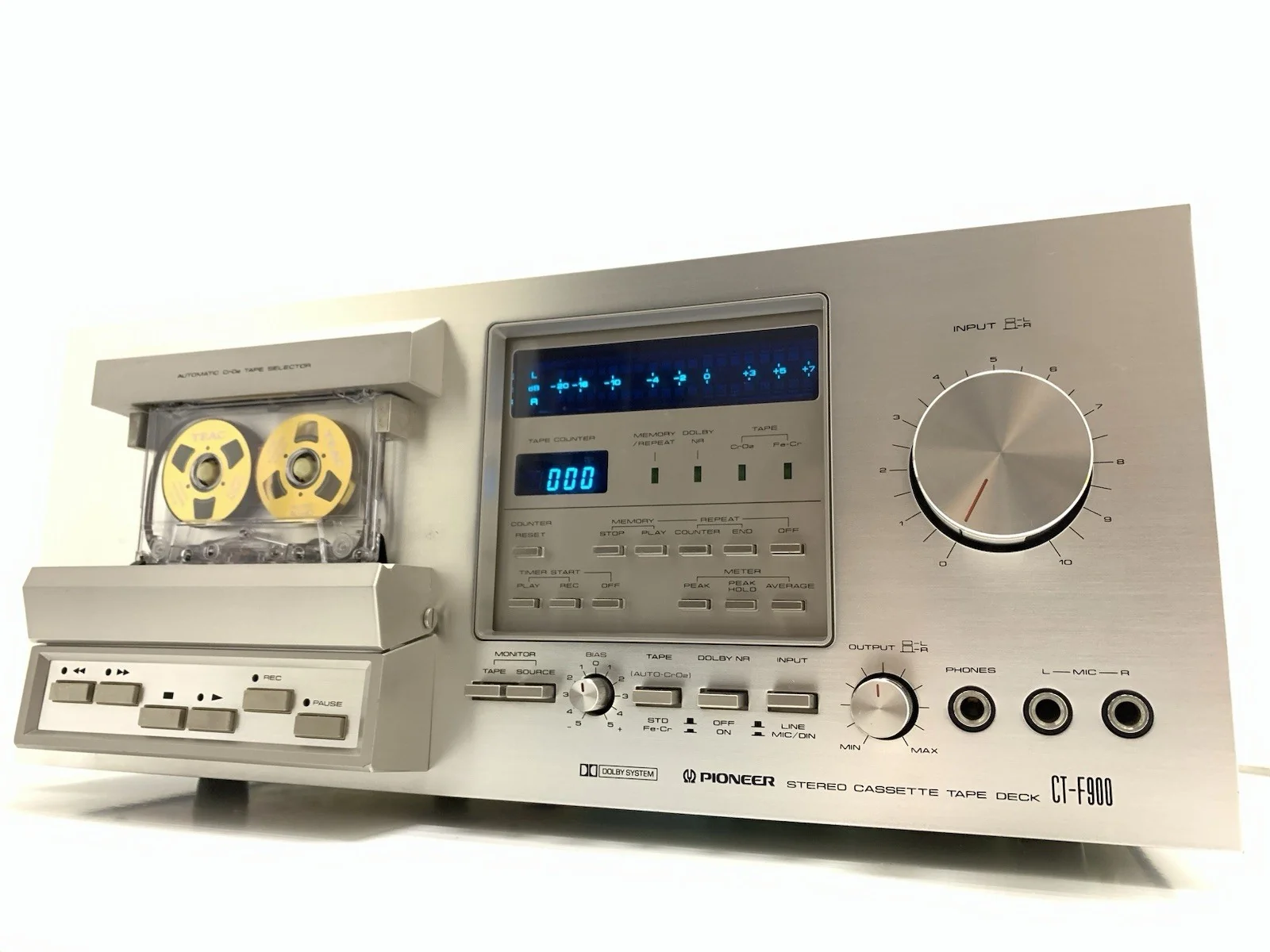
Record Players: More Repairable, but with Some Important Exceptions
The turntable holds a special place in the world of vintage equipment. The simplest manual models—especially belt-driven or direct-drive models built using traditional methods—are generally easier to maintain than record players and CD players. Belts, cables, connectors, feet, mats, and many other wear-and-tear parts are often still available or can be replaced with modern equivalents. Even spindles, bearings, and motors can sometimes be cleaned, lubricated, or overhauled.
However, it is necessary to carefully assess the condition of the tonearm: the bearings must move freely, without play or friction, while the tonearm lift, anti-skating, and adjustment systems must function properly. A warped tonearm, a damaged bearing, or a missing proprietary counterweight can lead to problems that are difficult and costly to resolve. The same applies to headshells, hinges, power supplies, and components designed specifically for a particular model.
The situation becomes significantly more complicated with automatic and semi-automatic turntables. Cams, linkages, springs, gears, and friction wheels can become seized due to hardened lubricants or damaged by the aging of plastic parts. In some cases, a thorough overhaul is sufficient; in others, the absence of a single molded part makes it extremely difficult to restore the automatic mechanism.
Even the most sophisticated direct-drive models can present specific challenges. Motor control circuits, sensors, proprietary integrated circuits, and electronic speed control systems are not always easily replaceable. Before purchasing, it is therefore important to verify rotational stability, startup, braking, and all automatic functions—not just checking that the platter spins.
Cartridges and styluses are a separate matter. For many moving-magnet cartridges, it is still possible to find original, compatible, or rebuilt styluses, but quality and performance can vary significantly. Some inexpensive replacement parts allow the cartridge to function, but without maintaining its original performance. For rare cartridges, moving-coil models, and proprietary systems, availability may be limited, and the costs of re-stylus or rebuilding can become considerable. In that case, it’s better to buy a modern cartridge.
A vintage turntable can therefore be a relatively safe purchase when the design is simple, well-documented, and free of complex automation. Even in this case, however, the availability of replacement parts and the expertise of the person performing the restoration remain crucial. A good restoration shouldn’t just make the platter spin: it must ensure the correct speed, low noise, precise tonearm geometry, and safe playback conditions for the records.
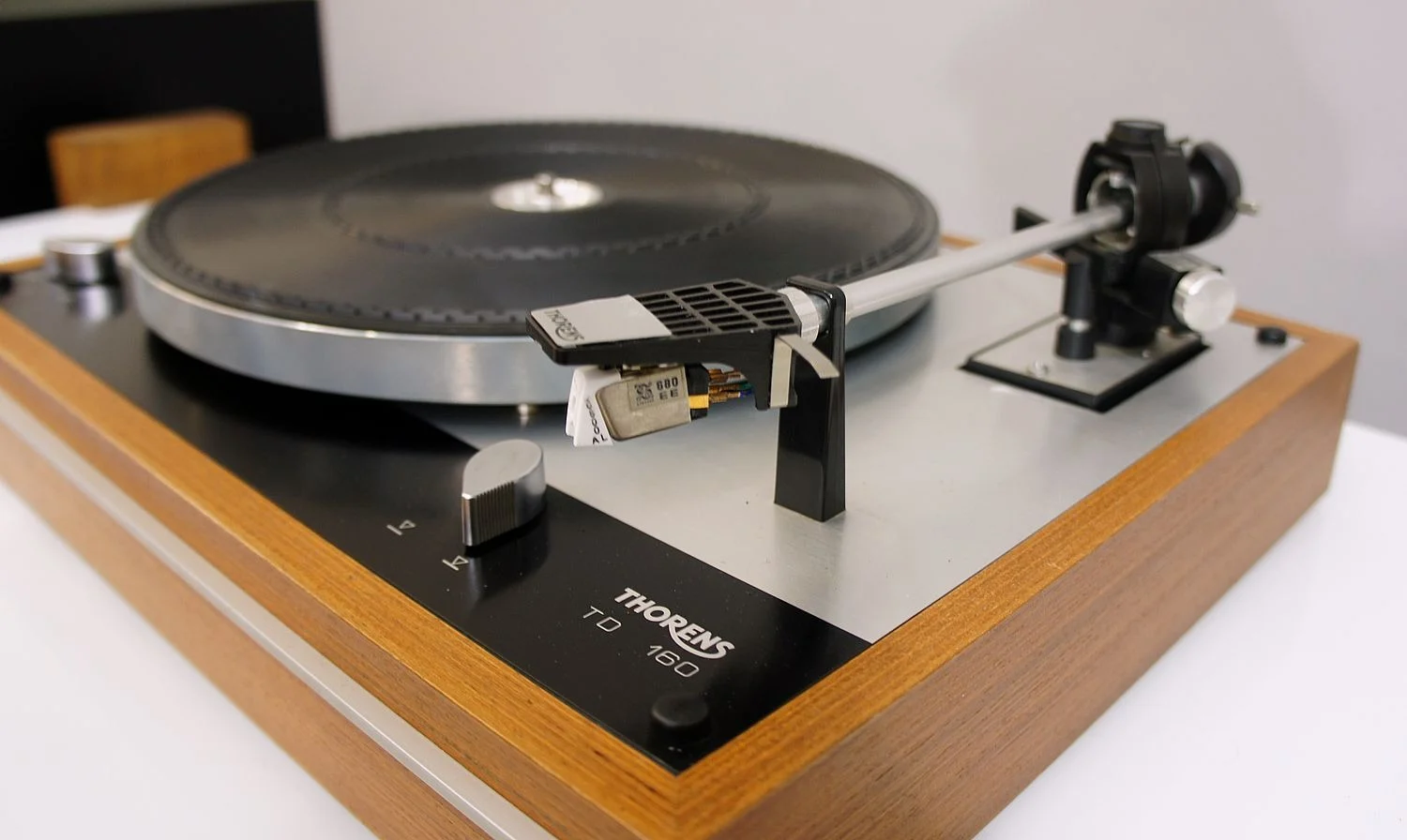
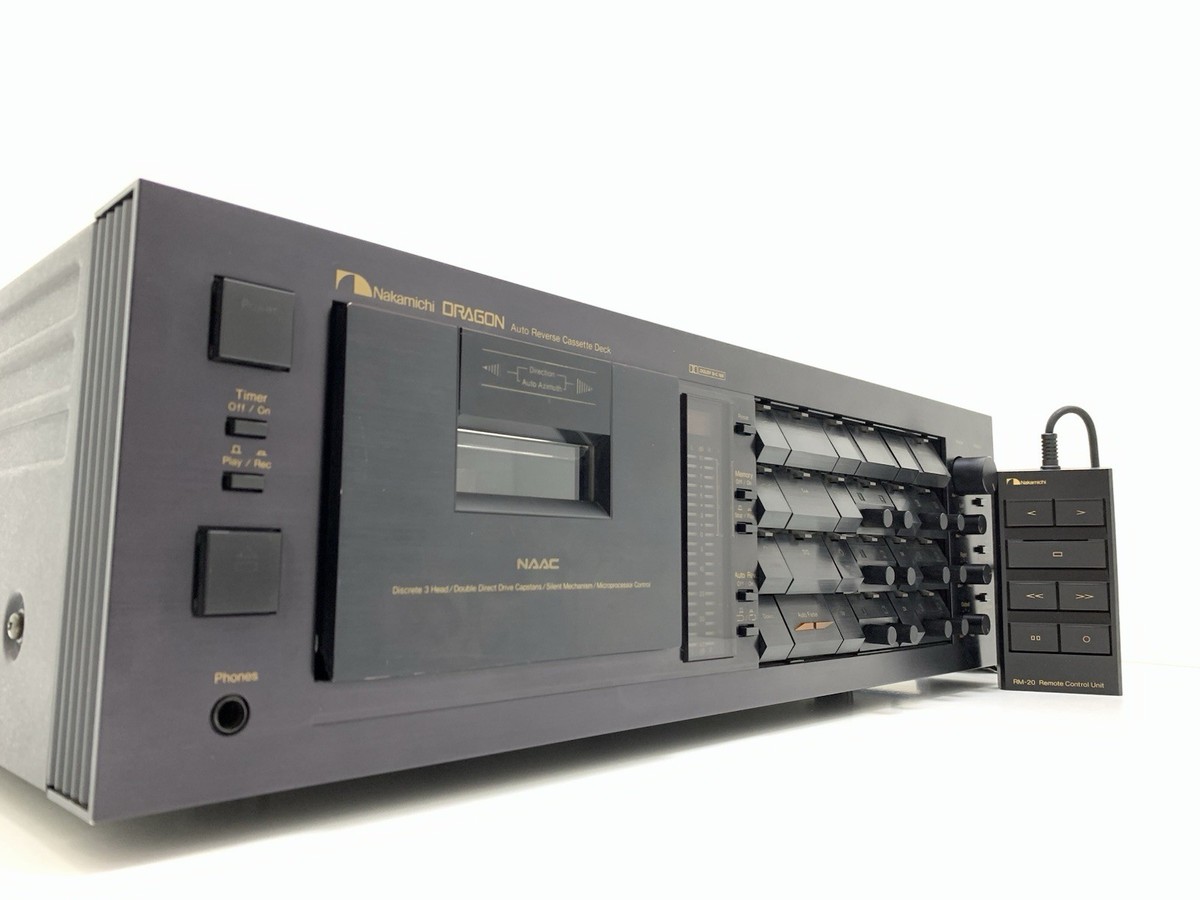
Cassette-style plates: fascinating, but challenging
The tape deck is one of the most appealing—and, at the same time, most challenging—vintage devices to maintain. To function properly, it must ensure a stable speed, smooth tape transport, proper pressure between the tape and the heads, uniform rewinding, and precise alignment of the tape path. Belts, pinch rollers, capstans, clutches, and tensioning systems must all work together. After a mechanical overhaul, calibration is often necessary. Speed, azimuth, recording and playback levels, bias, and frequency response cannot be adjusted by ear alone. They require instruments, test tapes, and specialized expertise. The cartridges are also a sensitive issue. They may be dirty or magnetized, but they may also be worn out. A worn-out cartridge cannot regain its original geometry with a simple cleaning. Replacement cartridges specific to certain models are now rare, and when they do become available, they can cost a significant amount. For this reason, a turntable that “turns on and spins” is not necessarily in good condition. It might play back at the wrong speed, exhibit significant wow and flutter, record poorly on one channel, or show signs of wear that are bound to worsen rapidly.
CD Players and Optical Drives: The Laser Problem
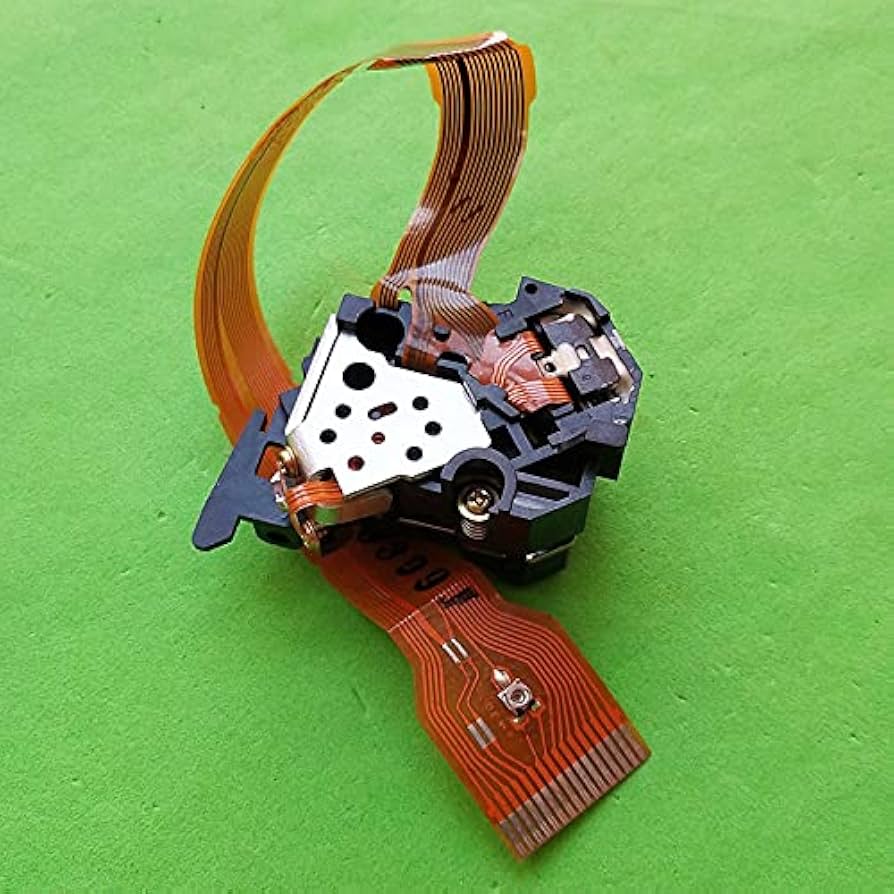
The CD player is often perceived as a primarily electronic device. In reality, it contains precision mechanics in which the optical assembly, the disc motor, the feed mechanism, and the servo circuits must operate in perfect coordination. Over the years, many players begin to have difficulty reading certain discs, take longer to recognize the starting track, skip during playback, or stop working altogether. It’s tempting to attribute every problem to the laser and adjust its power. While this may provide temporary relief, it risks accelerating the deterioration of the laser diode. Furthermore, the problem could stem from other causes: a dirty lens, hardened lubricant, faulty capacitors in the servo circuits, a worn-out turntable motor, a jammed tracking mechanism, or unstable power supplies. When the optical assembly is truly worn out, replacement becomes essential. Some pickups are still available, others can be found as end-of-line stock, while many have been permanently discontinued. The presence of the same part number on the packaging does not guarantee authenticity or quality: compatible replacement parts of varying performance, salvaged parts, and rebranded components circulate on the market. Even an optical assembly that appears to be in good condition may require specific procedures before installation and a subsequent verification of the servo parameters. In certain players, the pickup is integrated into a proprietary mechanism and cannot be replaced with a generic model. A high-quality CD player can therefore become economically irreparable—not because its analog stages are faulty, but because a small optomechanical component is no longer available.
The Paradox of Vintage Digital Electronics
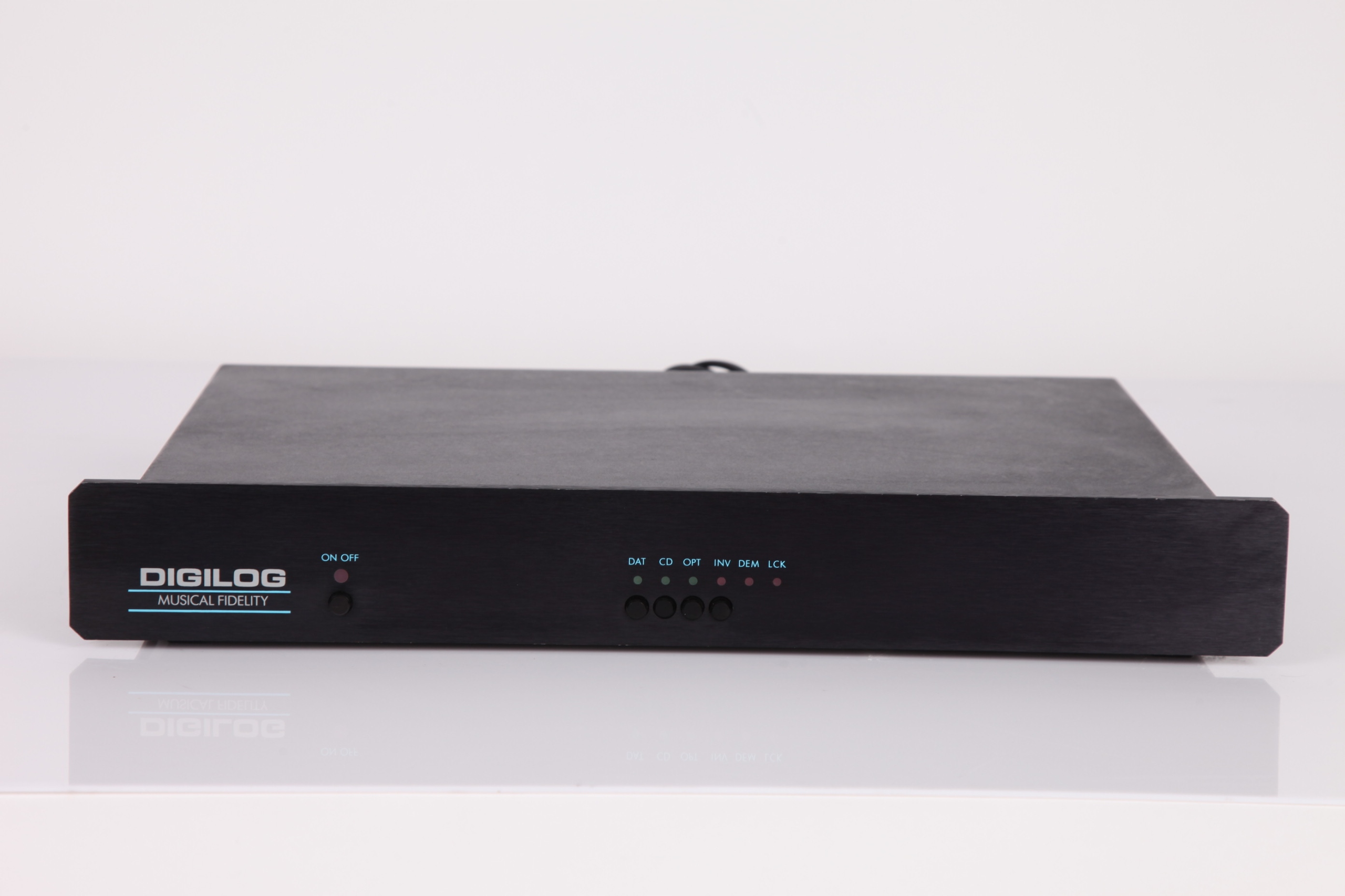
A converter, player, or digital processor from the past may be beautifully built and possess a sonic character that is still highly prized. However, the presence of proprietary integrated circuits, specialized displays, programmed memories, microcontrollers, and dedicated mechanical components creates a dependency on parts that cannot be replaced. An analog amplifier built with discrete components can often be understood and adapted. A device controlled by a discontinued processor, on the other hand, may stop working due to a seemingly minor failure. This is one of the great paradoxes of vintage audio: complexity does not necessarily depend on the device’s original price. A relatively simple preamplifier can survive for many decades thanks to the availability of modern equivalents, while a prestigious digital source can become unusable due to the failure of a part that cannot be replicated.
How to Shop for Vintage Items the Right Way
Before purchasing a vintage component, you should check not only its current condition but also whether it can be repaired in the future. In the case of a speaker, it’s important to verify that all the drivers are original and that the unit codes match. You should examine the suspension, check for any coil rubbing, and listen to each channel separately, without being misled by the fact that sound is generally coming from the speaker cabinet. The two speakers should have consistent volume levels and tonal balance. A marked difference may indicate a weakened tweeter, a faulty crossover component, or a previous improper repair. It’s advisable to examine the cabinet, the gaskets, and the terminals, and to ask for specific details about any work that has been performed. For amplifiers, power amplifiers, and preamplifiers, it’s helpful to know whether the unit has been serviced and by whom. A documented service history is far more valuable than a general statement from the seller. Check for noise, hiss, channel imbalances, the operation of the selectors, thermal stability, and the activation of protection circuits. It is also advisable to verify the presence of critical components that are no longer in production. A simple, widely available amplifier—with documentation available and known equivalent replacement parts—may be a more prudent purchase than an extremely rare model built around proprietary modules. In the case of mechanical sources, testing must be thorough. A turntable must be tested for recording and playback, not just for tracking. A CD player must play different discs, quickly skip to the farthest tracks, and function properly both when cold and after it has been running for a while. A reel-to-reel tape recorder must be tested in all intended modes and at all speeds.
The actual cost is not the one listed in the ad
The purchase price is just the beginning. An inexpensive speaker may require the repair of four drivers, the overhaul of the crossovers, and the restoration of the cabinet. A turntable sold as “in working order” may need belts, rollers, cleaning, lubrication, and calibration. An amplifier that seems perfect during a brief test run may exhibit thermal instability or protection circuit issues after prolonged use. The actual cost includes shipping, diagnostics, replacement parts, labor, and the possible need to send the unit to a specialist. It also includes the risk that, once opened, previously botched repairs may come to light. Heavy and delicate items also pose logistical challenges. A large speaker may sustain damage during shipping, while a unit with a heavy transformer may warp the chassis if the packaging is inadequate. Turntables and drive mechanisms must be secured and protected according to specific procedures. The lowest price almost never equates to the best deal. A unit that has already been inspected, is in good condition, and is properly documented may cost more, but it significantly reduces the risks.
Originality, Restoration, and Reliability
In the world of vintage equipment, there are at least three distinct goals: preserving originality, restoring performance, and ensuring reliability in everyday use. These goals do not always align. A collector may prefer to keep every component original, accepting that this requires a certain degree of caution in use. The enthusiast who wants to listen to music every day may opt for the preventive replacement of critical components and the adoption of modern solutions. Those seeking the closest possible match to the original performance, on the other hand, will need to rely on carefully selected parts and modifications. There is no single correct answer. However, it is essential to disclose what has been done. A modified device should not be presented as completely original. A speaker with replacement drivers should not be described as restored to factory specifications unless such equivalence has actually been verified. A CD player with a compatible pickup should be accompanied by information about the replacement part used. Transparency protects buyers and values the work of skilled repair technicians.
The Crucial Role of the Specialized Technician
A technician capable of working on vintage equipment isn’t simply someone who knows how to use a soldering iron. They must be familiar with the technologies of the era, interpret often incomplete schematics, identify replaced components, and understand the reasoning behind design choices. When it comes to speakers, electroacoustic expertise and measurement tools are also required. For turntables, reference tapes and calibration knowledge are essential. With CD players, one must distinguish between a worn-out pickup and a servo or power supply issue. For power amplifiers, one must know how to verify stability, thermal behavior, and the operation of protection circuits. The availability of truly qualified technicians is itself an increasingly valuable resource. Many repairs require hours of diagnosis, but the market tends to evaluate only the price of the replacement part. This is a misguided perspective: in complex restorations, expertise and time are often the most significant components of the cost. It is also important to accept that a serious professional may advise against proceeding with a repair. Not all repairs are technically sound, economically justifiable, or likely to last.
Which vintage to choose
For those who want to enter the world of vintage hi-fi with the goal of actually using the equipment, integrated amplifiers, power amplifiers, and analog preamplifiers often represent the most sensible starting point. It’s best to look for widely available, well-documented models built with discrete components and free of essential proprietary modules. Their widespread availability increases the likelihood of finding service manuals, donor units, compatible replacement parts, and established technical expertise. Speakers require greater caution. They can be excellent purchases when the drivers are in good condition, original, and repairable, but they become risky if they use rare drivers or technologies that are no longer supported. Before purchasing, it’s advisable to check the availability of suspension systems, diaphragms, and any repair kits. Electromechanical sources should be treated almost like precision instruments. They can provide great satisfaction, but they require maintenance, adjustments, and a willingness to incur costs that are not always predictable. In the case of CD players, the availability of the optical assembly and the mechanical components should be verified before assigning a value to the unit.
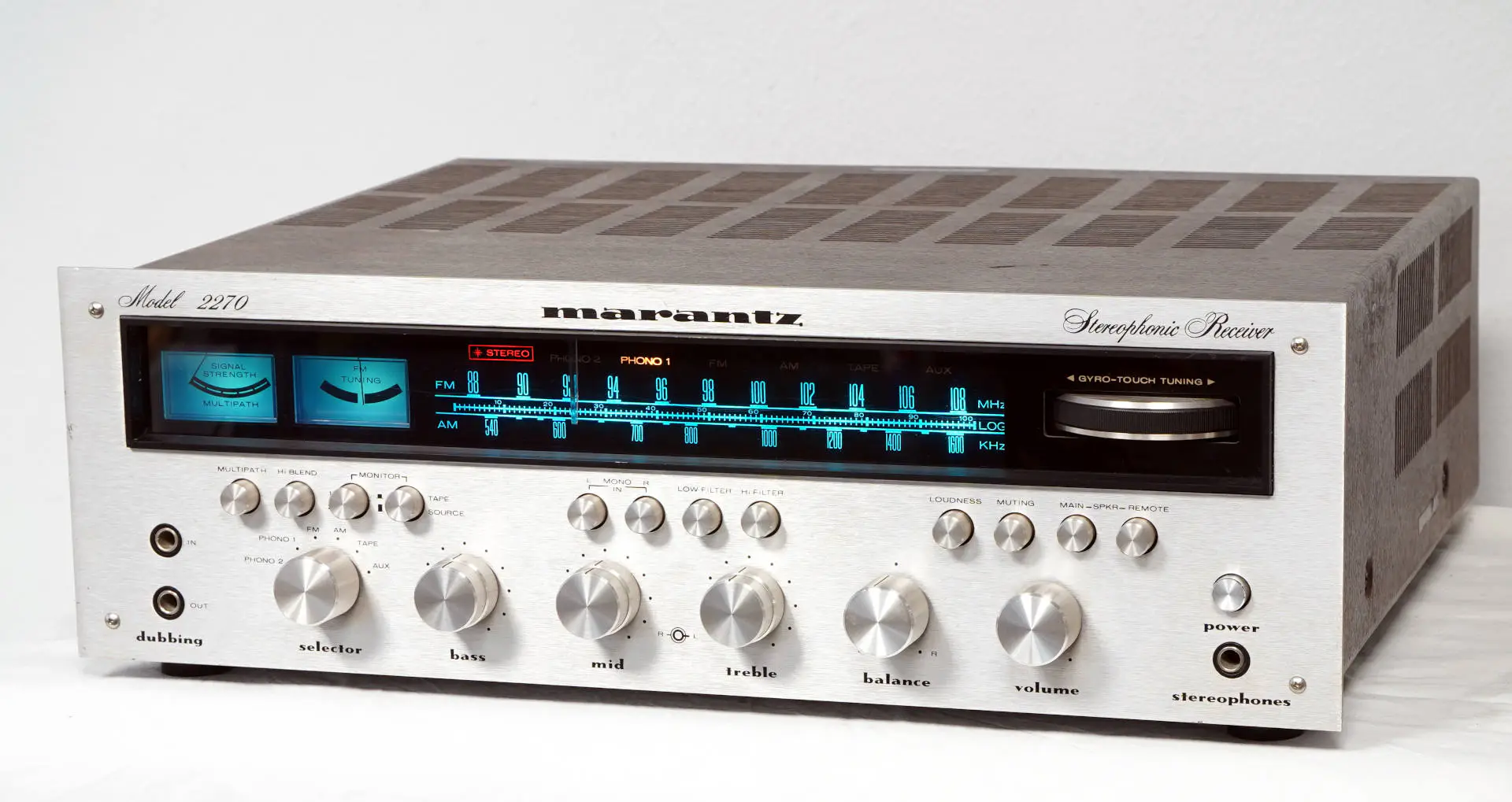
The best vintage is the one that can live on
The appeal of vintage hi-fi is genuine. Many devices from the past feature build quality, design solutions, and an aesthetic identity that deserve to be preserved. But enthusiasm must be accompanied by knowledge. A loudspeaker isn’t automatically simple just because it contains few components. On the contrary, its reliance on specific transducers makes it one of the most difficult items to restore without altering its sonic identity. A traditional amplifier, power amplifier, or preamplifier, on the other hand, may offer better prospects. Many electronic components have modern equivalents, and a competent technician can intervene methodically, restoring the device’s reliability and performance. When mechanical and optical components come into play, the risk increases once again. Cassette decks, tape recorders, and CD players rely on parts subject to wear and tear, often custom-made for a specific model. In particular, the growing difficulty in finding authentic and reliable optical assemblies makes the purchase of certain digital players a decision that requires extremely careful consideration. The point is not to give up on vintage gear, but to choose it with awareness. You need to look beyond the brand, rarity, and aesthetics. You must evaluate the technical documentation, the availability of replacement parts, the presence of proprietary components, the quality of previous repairs, and the availability of professionals capable of servicing the device. The true value of a historic component lies not merely in the fact that it has survived to the present day. It lies in the concrete possibility of keeping it alive, functional, and true to its identity. Because the most interesting vintage items are not those destined to remain motionless on a shelf, transformed into a beautiful object without a voice. It is the one that, thanks to careful choices and expert restoration, can continue to perform the task for which it was designed: to play music.






GIPHY App Key not set. Please check settings