



 Audio 2G
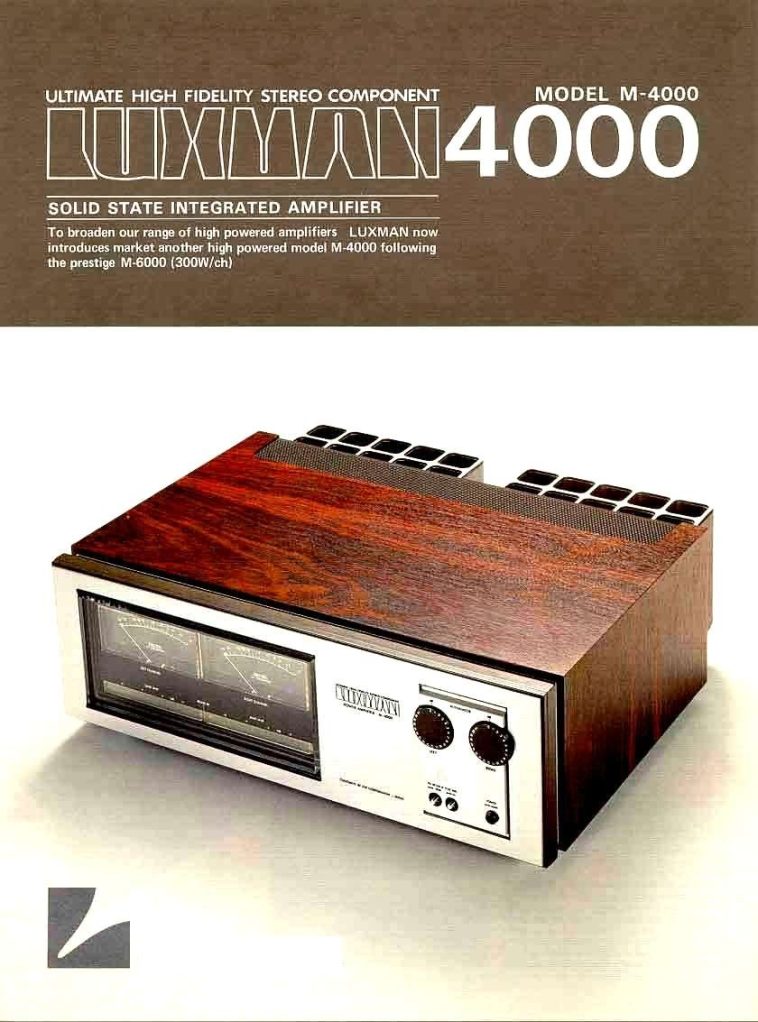
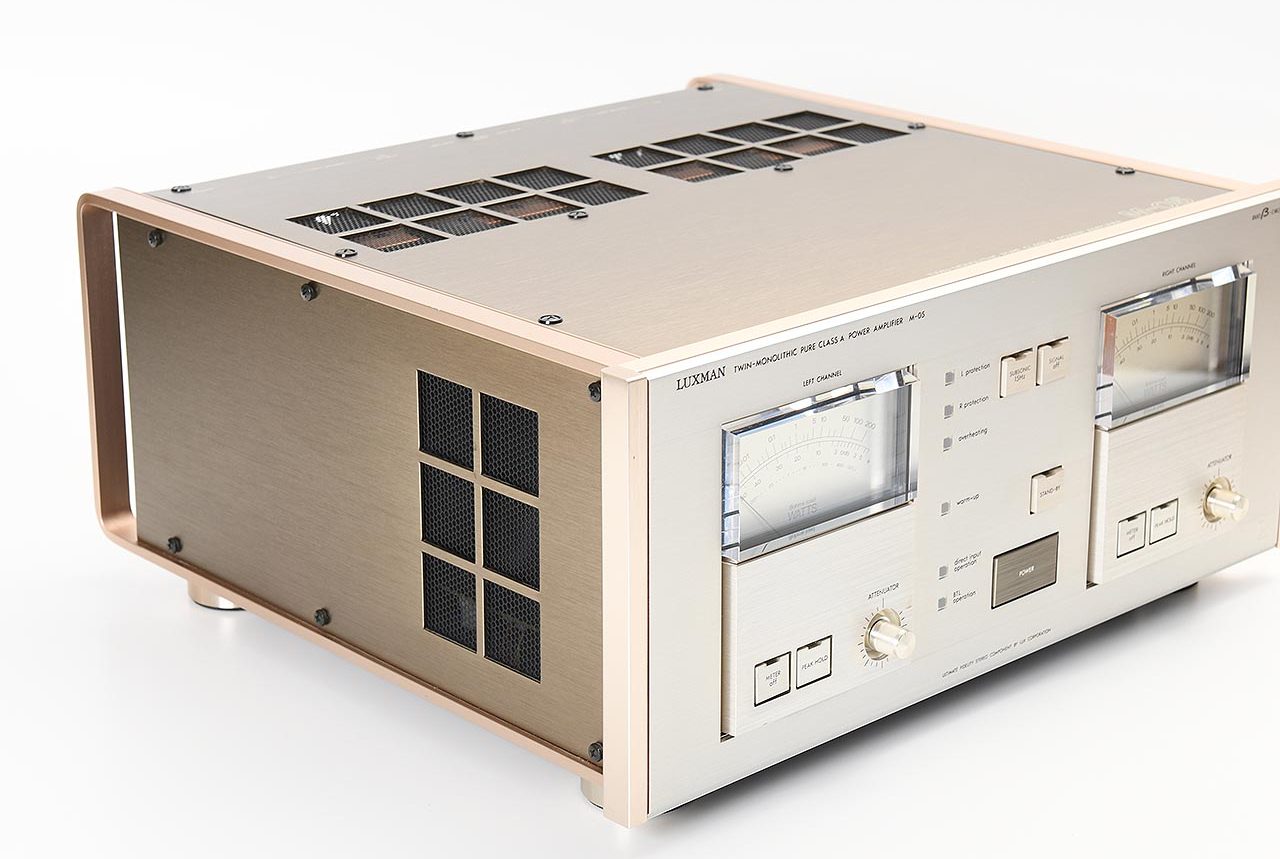
They were extraordinary years for the brand: the C-1000 and C-1010 preamplifiers, the M-4000 and M-6000 power amplifiers, as well as a series of integrated amplifiers such as the L-58A, L-80V and L-85V. The Luxman design of that period is still considered one of the most elegant ever produced: large vu meters, champagne panels, knobs machined with almost handcrafted precision, and manic interior construction. The M-4000 power amp, with its huge illuminated vu-meters and impressive weight, represented perhaps the high point of “classic” Luxman. In parallel, Luxman continued to perfect tube amplifiers: the MQ-88, CL-35 and CL-40 became cult objects. Luxman also became a school of audio excellence; designers such as EAR Yoshino – Air Tight and Leben, to name but one – cut their teeth in the Japanese manufacturer’s technical team. The 1980s, on the other hand, were complex. On the one hand, Luxman produced extraordinary equipment such as the M-05, M-07, C-05 and the R-117 receiver; on the other hand, the hi-fi market was changing dramatically. The advent of the compact disc, price competition and the transformation of audio into a mass product created enormous economic difficulties. At that time Luxman entered Alpine‘s orbit. Many enthusiasts consider this a controversial phase: some products became more commercial and less refined than the achievements of the 1970s. In the 1990s came the slow rebirth, with a return to its roots: Japanese construction, refined circuitry, a search for the “Luxman sound.” This was the period of the “u” series – L-505u, L-507u and L-509u – integrated amplifiers that brought the brand back to the top of world high fidelity.
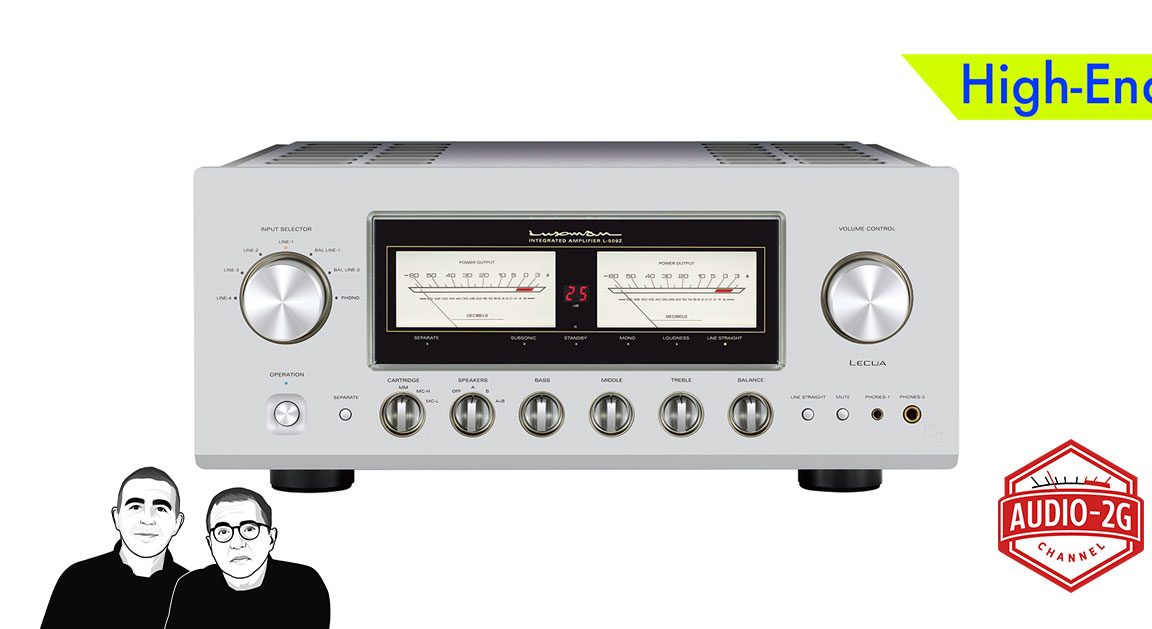
In parallel, Luxman began to develop digital sources, SACD players, and DACs that sought to transfer to the digital domain that same fluidity and naturalness that had made the historic tube amplifiers famous. The D-05u and DA-06 showed how the brand knew how to address the era of high-resolution audio without losing identity. In recent years Luxman has experienced a new golden age. The current L-509Z, under review here on the channel, MQ-300 and the PD-171A turntable have consolidated the brand’s reputation. MQ-300, in particular, has become a kind of modern tribute to the golden age of tubes, thanks to the use of the very rare Western Electric 300Bs.
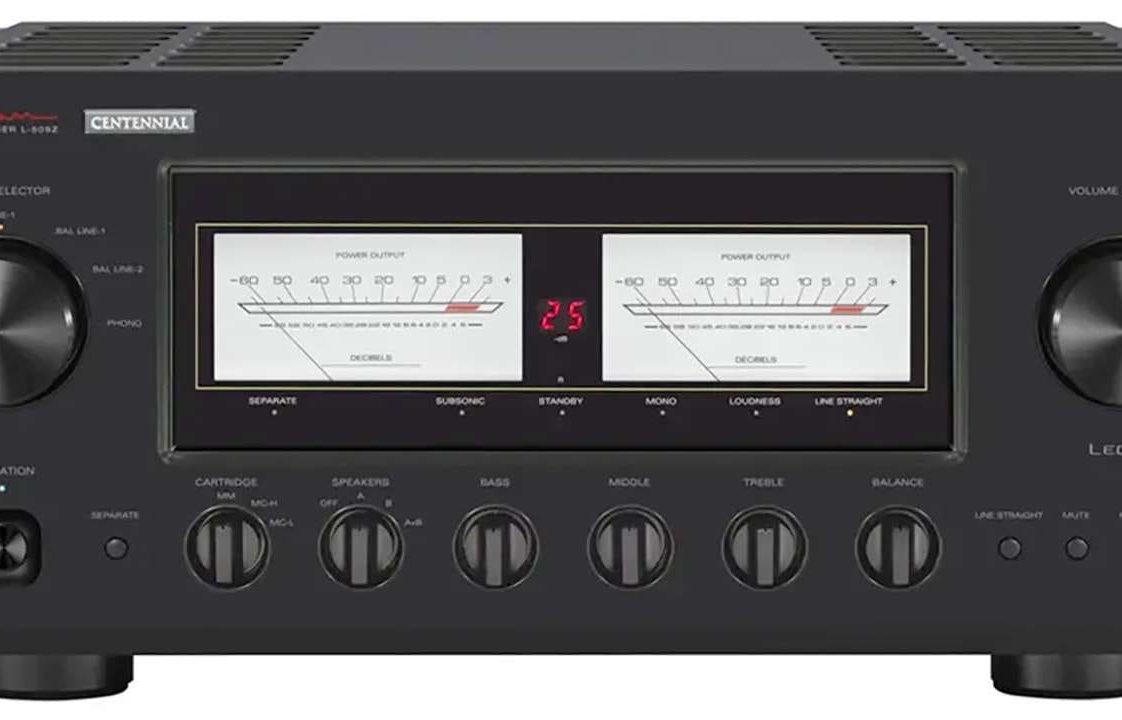
In 2025, the company celebrated its centennial with commemorative devices such as theL-100 Centennial and the D-100 Centennial, symbols of a technical and cultural continuity that is extremely rare in the world of audio electronics. For many enthusiasts, owning a Luxman means not only having an amplifier or audio source, but getting in touch with a nearly 100-year tradition of refined engineering, worship of detail, and obsessive pursuit of musicality. And it is perhaps this continuity, even more than the technical specifications, that is why Luxman has remained one of the most respected companies in the history of global high fidelity.




GIPHY App Key not set. Please check settings