



 Audio 2G
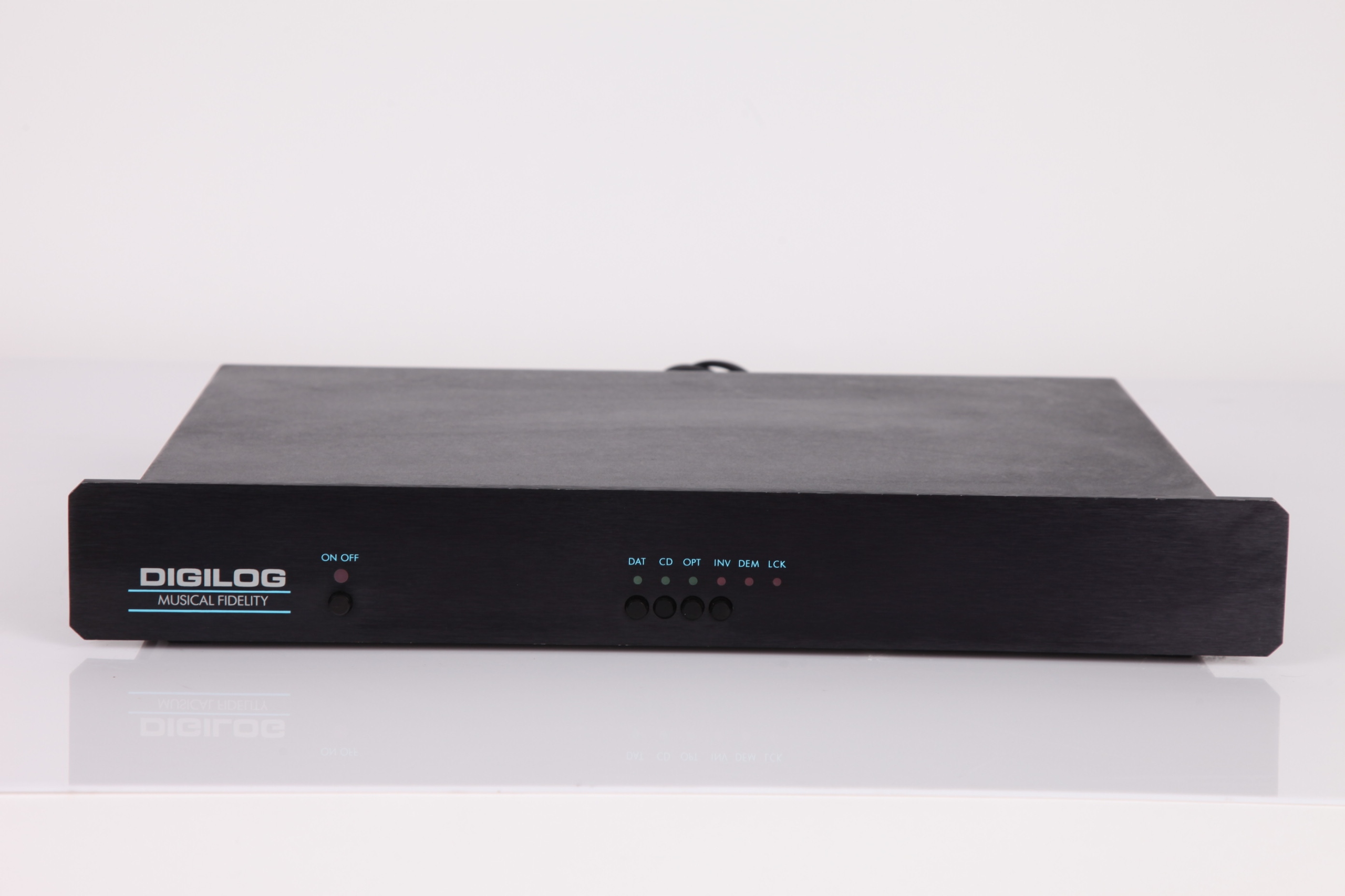
In 1992, the A1000 was introduced—a large integrated amplifier with a Class A power amplifier stage, the conceptual successor to the family launched by the A1 but built on a much more ambitious scale. The following year, Musical Fidelity introduced the Tubalog, a digital converter featuring a tube output stage. One of the most original breakthroughs came in 1995 with the X series. The first iconic model was the X-10D, a Class A tube line buffer housed in a small cylindrical enclosure. This was followed by converters, power supplies, headphone amplifiers, and other components featuring the same design. The X Series clearly demonstrated Michaelson’s ability to transform an inexpensive and unconventional industrial solution into a recognizable visual identity.
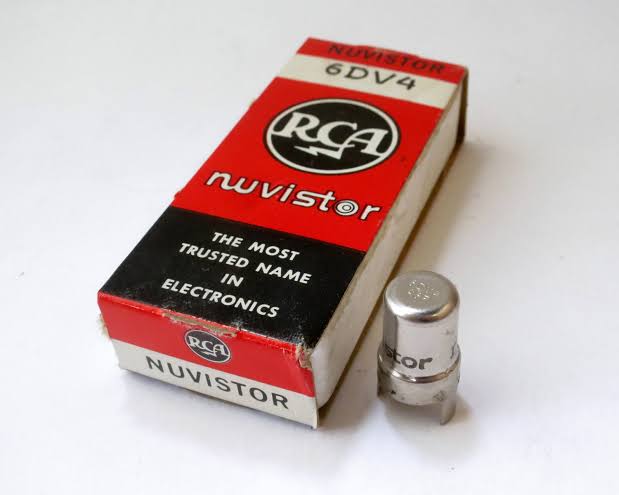
In 1997, Musical Fidelity introduced the Nu-Vista Preamp, launching one of the most important product lines in its history. The name derived from the use of Nuvistors—tiny metal-cased thermionic tubes developed by RCA in the late 1950s and used in the 1960s in electronic devices and measuring instruments—which represented the final evolution of thermionic tubes before their decline. Compared to traditional vacuum tubes, Nuvistors were very small, robust, had low microphonic effects, and were capable of operating with low noise. Michaelson purchased a substantial stock of Nuvistors and decided to use them in a limited series of audio components. The first Nu-Vista Preamp was produced in a run of 500 units, which, according to the company’s chronology, sold out within three months. This success led to the development of other models and established the Nuvistor as a sort of technological hallmark of Musical Fidelity.
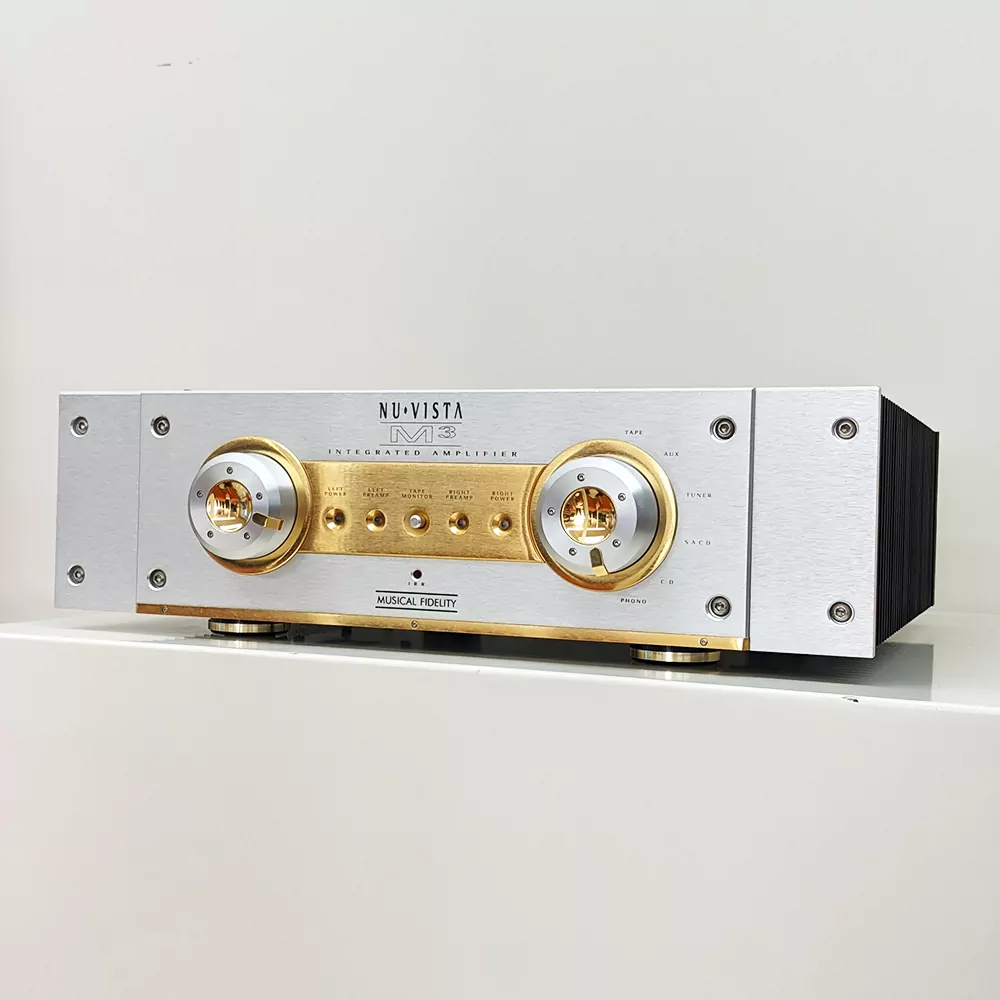
In 2000, the Nu-Vista M3 was introduced—a limited-edition integrated amplifier that combined a Nuvistor-based preamp stage and a high-power transistor power amp section into a single unit. The Nu-Vista M3 is one of the key models in the brand’s history because it established the formula that Musical Fidelity would later repeat many times: small thermionic devices used for signal processing, very generous power supplies, and solid-state power amplifiers capable of driving difficult loads. Around the same time, the CD-PRE 24 was introduced, integrating a CD mechanism, DAC, and preamplifier, foreshadowing the trend toward consolidating multiple functions into a single unit—a trend that would later resurface with the kW and Encore systems. In 2002, research into miniaturized tubes led to the Tri-Vista series. In this case, Musical Fidelity used so-called “trivistors”—miniaturized thermionic devices distinct from Nuvistors and adapted for audio use. The lineup included amplifiers, players, and converters, among them the Tri-Vista 21 DAC. The series was produced in limited quantities—partly due to the limited availability of the tubes—and represented one of the most recognizable expressions of Musical Fidelity in the early 2000s.
At the same time, the company expanded its more traditional production. The A3, A3.2, A5, and A308 series became widely popular and likely contributed more to the brand’s commercial success than the expensive limited editions. The A3.2, for example, was a dual-mono integrated amplifier delivering 110 watts per channel, equipped with separate power supplies and an MM/MC phono stage, representative of Musical Fidelity’s philosophy at the time: adequate power, solid construction, and a sound signature that sought to combine the fluidity associated with tubes with the control of solid-state technology.
The M Series did not originate with the arrival of Heinz Lichtenegger and Audio Tuning’s ownership. It’s important to clarify this because the Musical Fidelity acronyms can be confusing: the Nu-Vista M3 from 2000 is not the same as the later M3 series, just as the M1 turntable from 2003 should not be confused with the M1 family of compact electronics developed years later. The M1, M3, M5, M6, and M8 series all belong, at least in their origins, to the Michaelson era. Prior to the 2018 sale, the catalog already included products from the M3, M5si, M6, and M8 lines, in addition to the Nu-Vista series, the MX, LX2, and V90 lines, and the Encore systems.
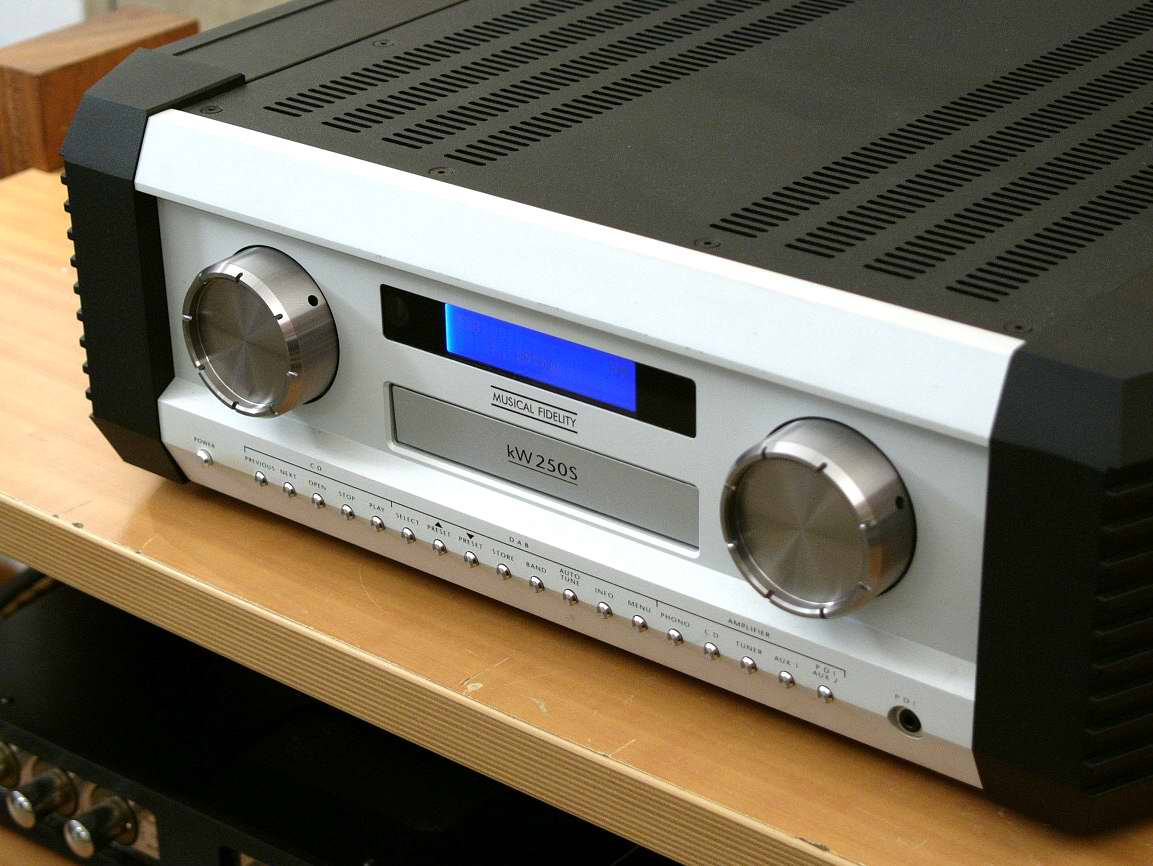
In 2003, Musical Fidelity took the concept of power to the extreme with the kW preamplifier and the kW power amplifier, capable of delivering power in the order of one kilowatt per channel and produced in a limited run of just 75 units. This system was followed by the kW500, a hybrid integrated amplifier with a tube preamp stage and a power amp section delivering approximately 500 watts per channel. The kW500 became one of the most celebrated products of the Michaelson era because it managed to pack into a single unit a level of power that was then unusual for a home integrated amplifier, while maintaining the hybrid design so dear to the manufacturer. The lineup later expanded to include the kW750 and, in 2006, the kW250S—a particularly complex unit that combined 250-watt dual-mono amplification, hybrid preamplification, a phono stage, a CD player with 24-bit/192 kHz conversion, an FM/DAB tuner, and an iPod input. The desire to produce both affordable equipment and top-of-the-line products simultaneously perhaps reached its most evident expression in 2009. On the one hand, Musical Fidelity offered the compact V Series, consisting of a DAC, phono preamp, and headphone amplifier at very affordable prices; on the other, it introduced the Titan, a limited-edition two-chassis power amplifier rated at one kilowatt per channel. The Titan utilized one chassis for the power supply and another for the amplification circuits, featuring a dual-mono architecture and balanced circuitry. Forty units were planned. Around the same time, the Primo preamplifier was introduced, built in Class A and equipped with fourteen hand-selected ECC81 tubes. This vast gap between the entry-level and flagship products was a deliberate choice by Michaelson, who was convinced that the brand should be judged on performance rather than rigidly confined to a single price range.
In the years that followed, Musical Fidelity continued to work on both Class A amplification and the integration of analog and digital technologies. The AMS series, featuring models such as the AMS100 power amplifier and the AMS Primo preamplifier, took the concept of Class A amplification to a new level. In 2011, the M1 CLiC combined analog sources, digital inputs, and network playback, winning the EISA Award for Network Music Player 2011–2012. The M1 family included several compact components, while the M3, M5, and M6 series occupied progressively higher segments of the product lineup.





GIPHY App Key not set. Please check settings